Protein and Albumin, Serum
What it is
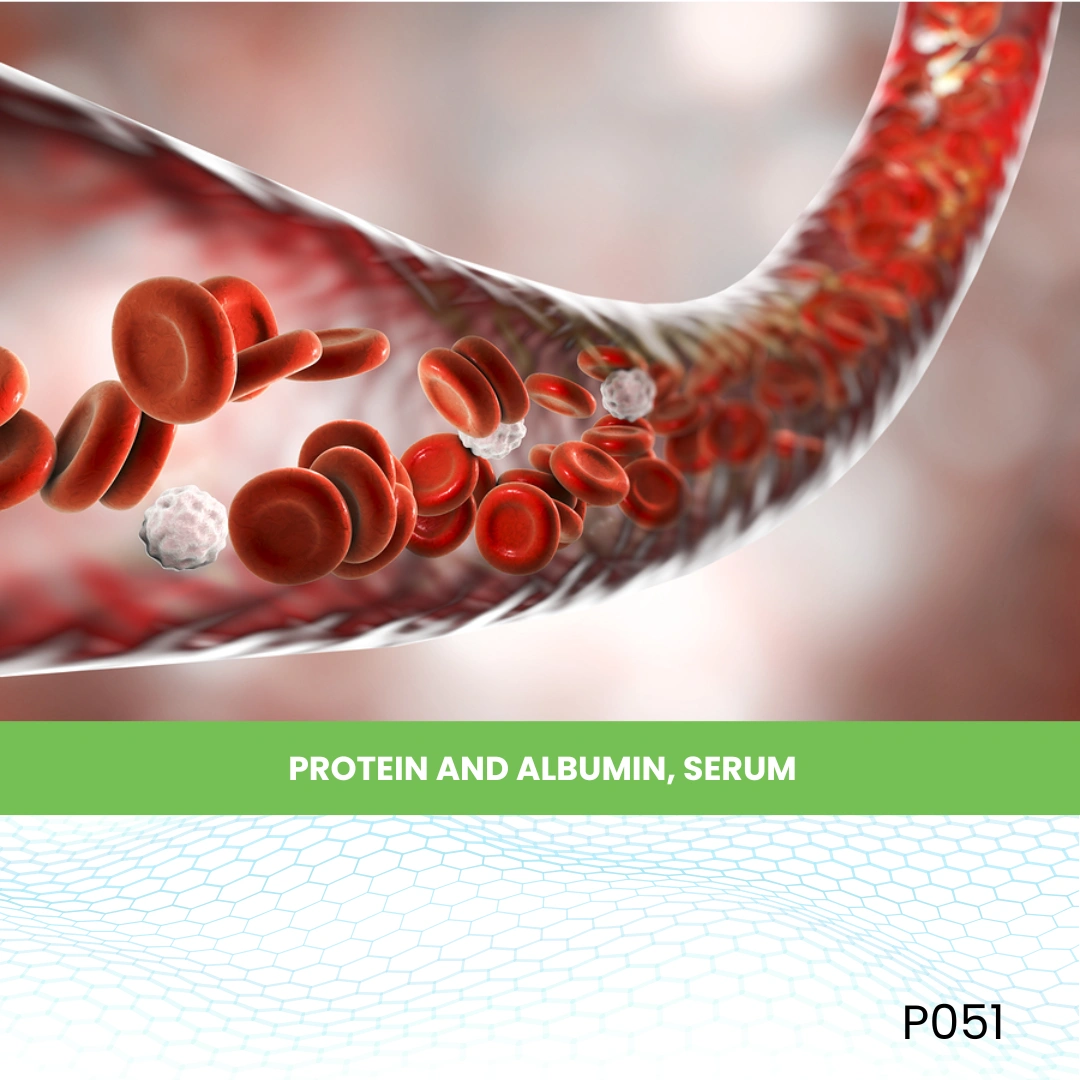
The Protein and Albumin, Serum test measures the levels of total protein and albumin in the blood. Proteins are essential for many bodily functions, including tissue repair, immune defense, and fluid balance. Albumin, the most abundant protein in blood plasma, is produced by the liver and plays a key role in maintaining oncotic pressure and transporting hormones, vitamins, and drugs. Abnormal levels can indicate liver disease, kidney disease, malnutrition, or chronic illness.
Uses
This test is used to:
– Assess overall protein status in the body.
– Evaluate liver function, since albumin is synthesized in the liver.
– Detect kidney disorders that cause protein loss in urine.
– Investigate causes of swelling (edema), ascites, or fluid imbalance.
– Monitor patients with chronic illness, malnutrition, or after major surgery.
– Support the evaluation of nutritional status.
Symptoms That May Lead to the Test
Doctors may recommend this test if you have:
– Unexplained swelling in the legs, feet, or abdomen.
– Signs of liver disease (jaundice, fatigue, ascites).
– Symptoms of kidney disease (frothy urine, swelling, high blood pressure).
– Poor appetite, unintended weight loss, or signs of malnutrition.
– Chronic infections or inflammatory conditions.
Abnormal Results
Low Protein and Albumin Levels: May indicate liver disease (cirrhosis, hepatitis), kidney disease (nephrotic syndrome), severe malnutrition, malabsorption disorders, or chronic inflammation.
High Protein Levels: May be due to dehydration, chronic infections, autoimmune disorders, or multiple myeloma.
High Albumin Levels: Rare, but may occur in dehydration or high-protein diets.
Low Albumin with Normal Total Protein: May suggest selective liver dysfunction or kidney protein loss.
Risks
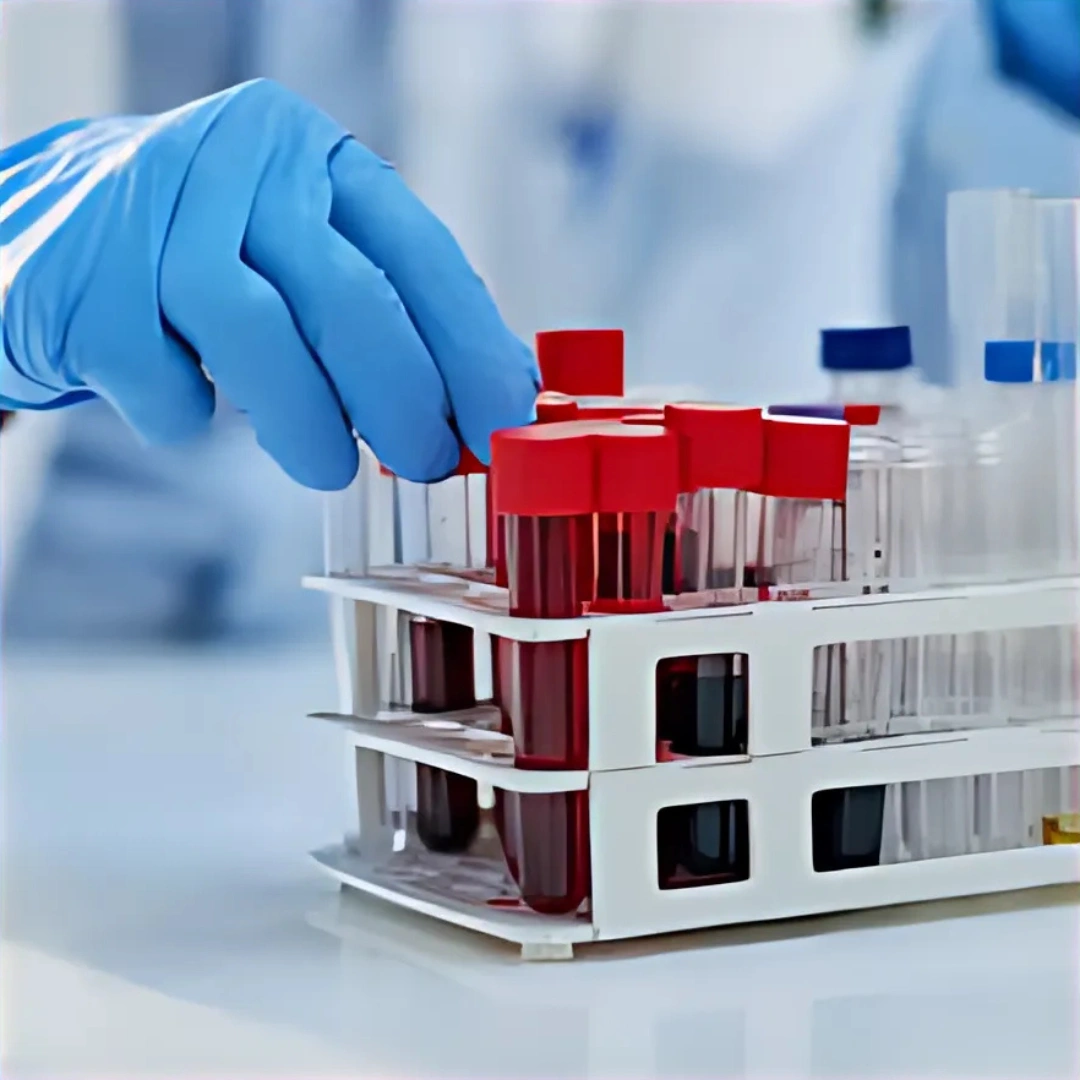
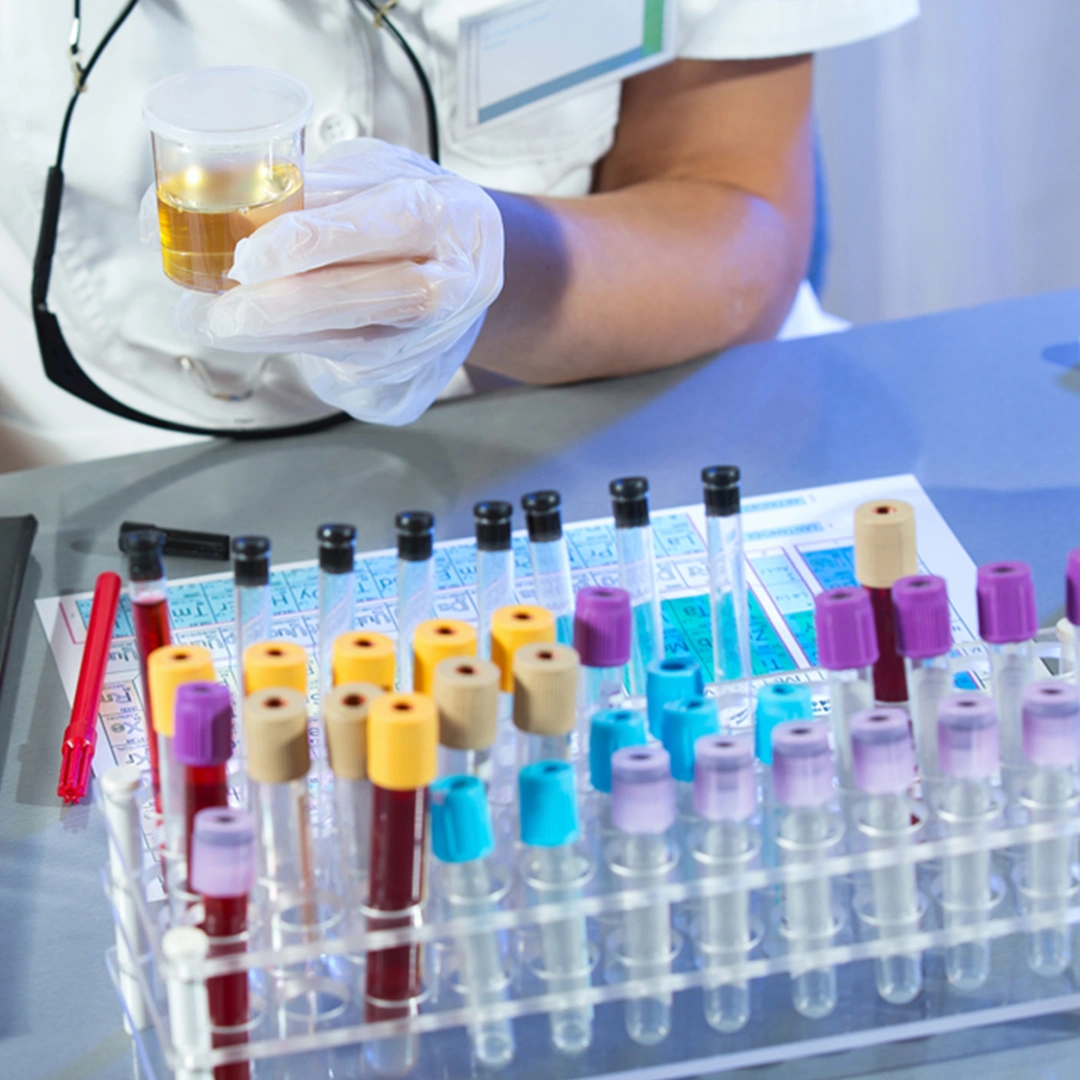
The test requires a routine blood sample. Risks are minimal and limited to mild pain, bruising, or dizziness at the puncture site. The laboratory analysis itself carries no risks.


Reviews
There are no reviews yet.