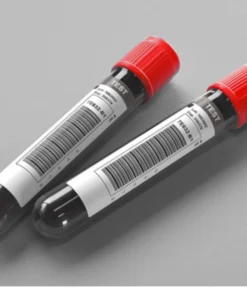
Protein Total, Serum
What it is
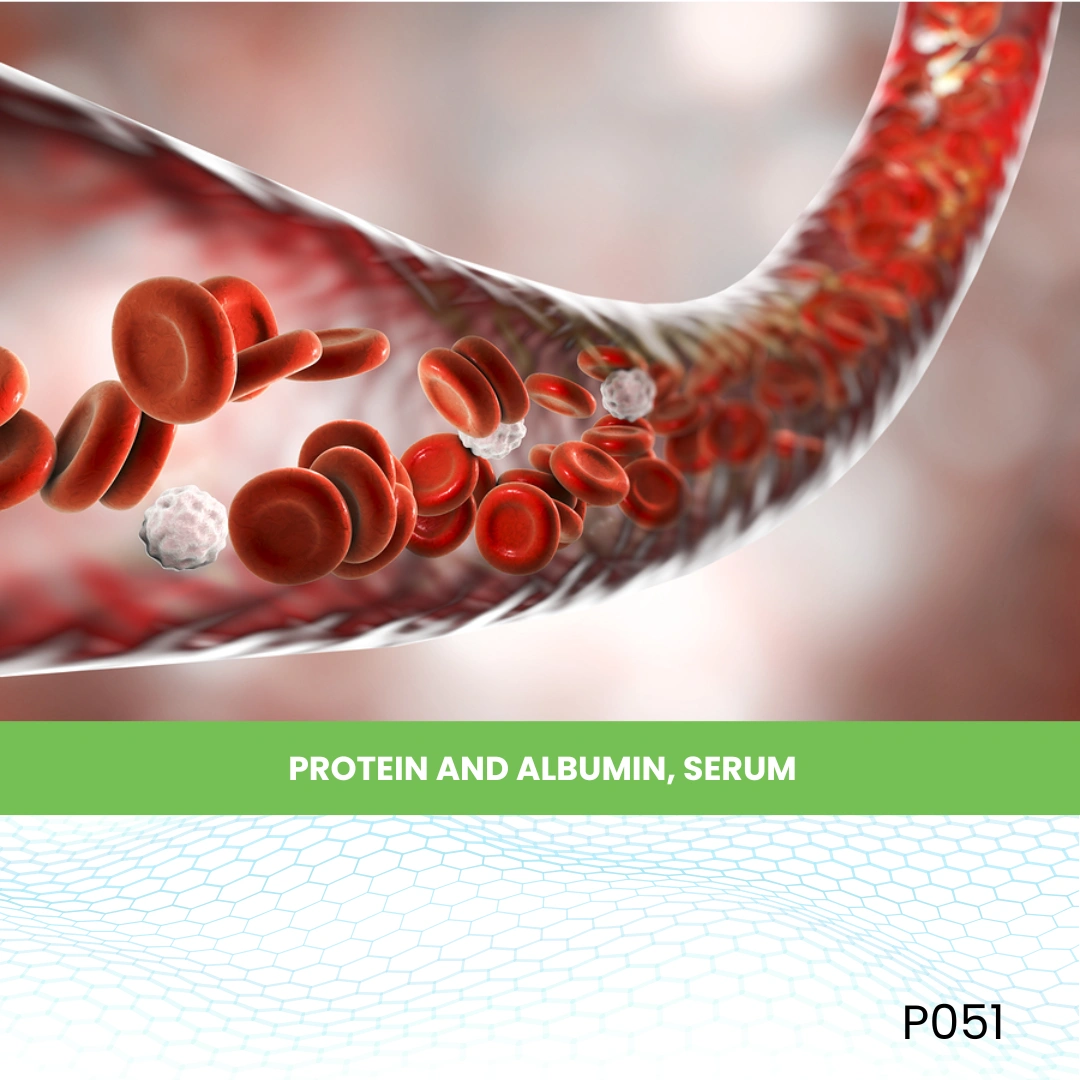
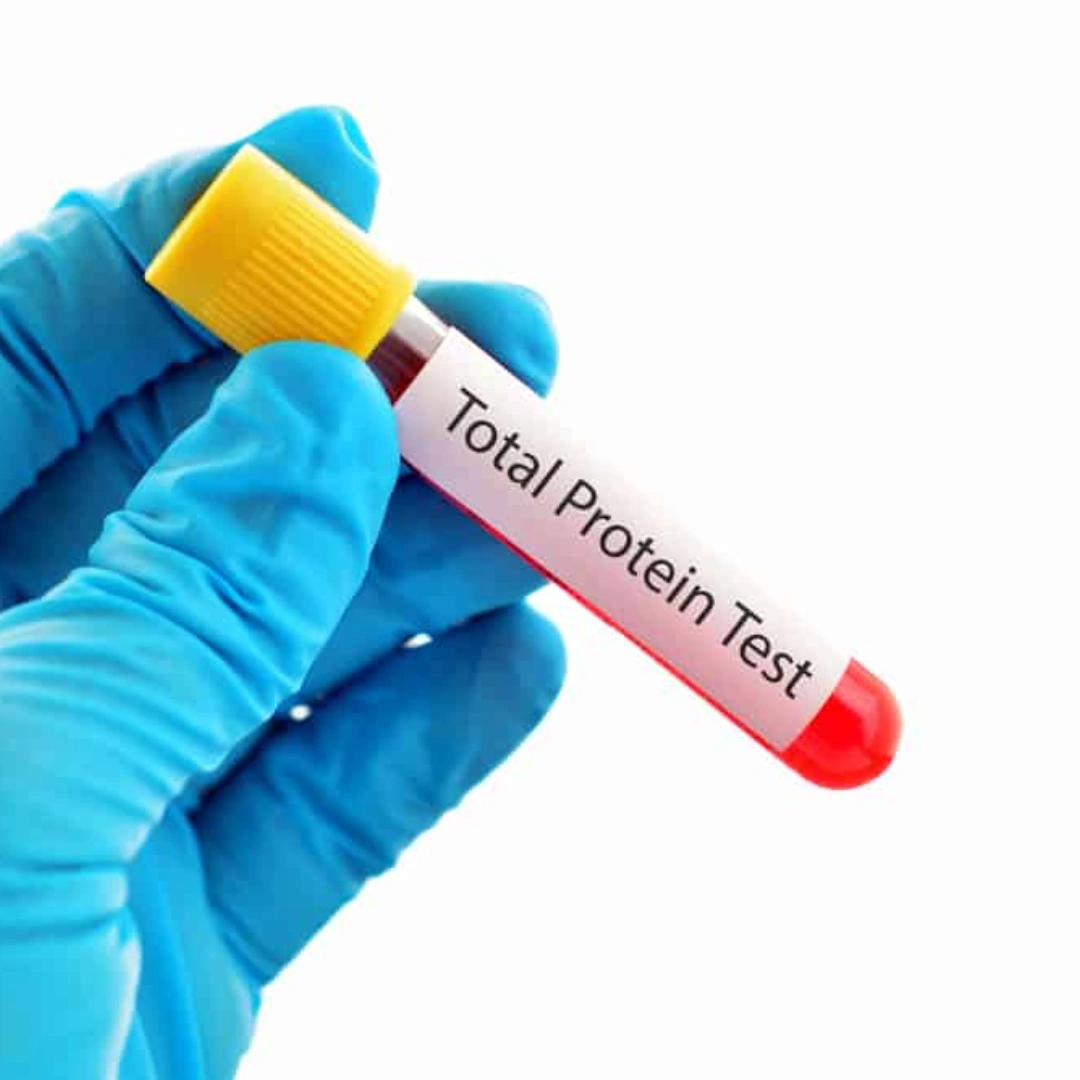
The Protein Total, Serum test measures the overall amount of protein in the blood. Blood proteins are essential for building and repairing tissues, transporting nutrients and hormones, fighting infections, and maintaining fluid balance in the body. The two major groups of proteins measured are albumin and globulins. Abnormal total protein levels may indicate nutritional problems, liver disease, kidney disease, infections, or immune system disorders.
Uses
This test is used to:
– Assess overall nutritional and health status.
– Detect liver or kidney disease.
– Evaluate chronic infections, inflammation, or immune system disorders.
– Support diagnosis of conditions such as multiple myeloma or other blood cancers.
– Monitor patients with ongoing medical conditions affecting protein balance.
Symptoms That May Lead to the Test
Doctors may recommend this test if you have:
– Unexplained weight loss, fatigue, or weakness.
– Swelling (edema) in the legs, feet, or around the eyes.
– Signs of liver disease such as jaundice or ascites.
– Symptoms of kidney disease like frothy urine, swelling, or high blood pressure.
– Frequent infections or autoimmune-related symptoms.
Abnormal Results
Low Total Protein: May indicate liver disease, kidney disease (protein loss in urine), malnutrition, malabsorption disorders, or chronic inflammation.
High Total Protein: May be seen in dehydration, chronic infections, autoimmune conditions, or multiple myeloma (excess abnormal antibodies).
Abnormal results are usually followed up with additional tests such as albumin, globulin, and protein electrophoresis to identify the underlying cause.
Risks
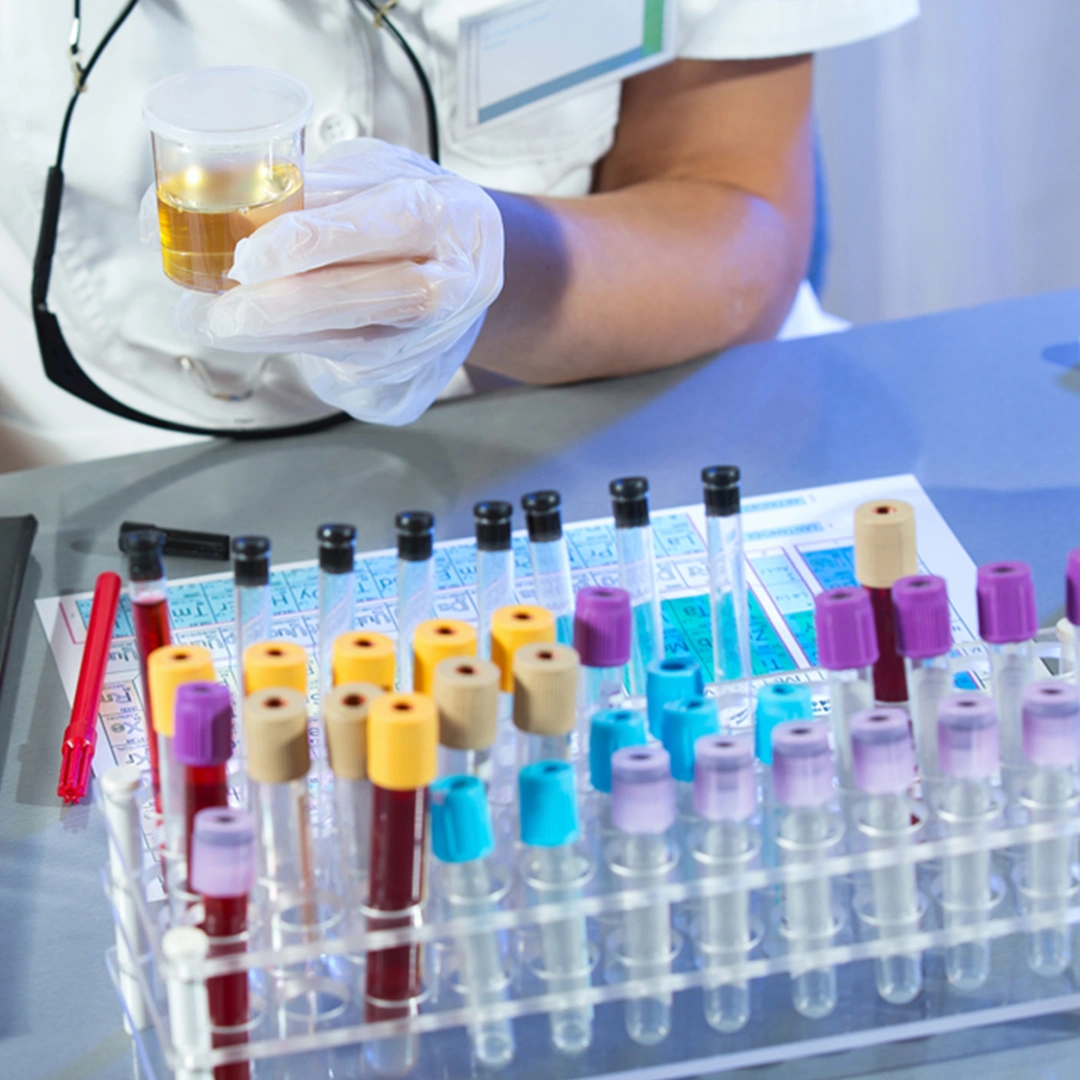
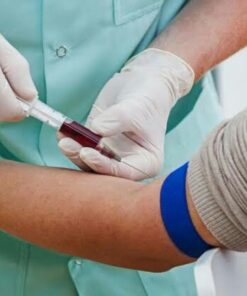
The test requires a routine blood sample. Risks are minimal and limited to slight pain, bruising, or dizziness at the puncture site. The laboratory analysis itself carries no risks.


Reviews
There are no reviews yet.