Quadruple Marker Test, Serum
What it is
The Quadruple Marker Test, Serum is a prenatal screening test performed during the second trimester of pregnancy (usually between 15–20 weeks). It measures four specific substances in the mother’s blood—Alpha-fetoprotein (AFP), Human Chorionic Gonadotropin (hCG), Unconjugated Estriol (uE3), and Inhibin A. These markers help assess the risk of chromosomal abnormalities and neural tube defects in the developing baby.
Uses
This test is used to:
– Screen for chromosomal disorders such as Down syndrome (Trisomy 21) and Edwards syndrome (Trisomy 18).
– Detect neural tube defects like spina bifida and anencephaly.
– Provide risk assessment for fetal developmental abnormalities.
– Support early decision-making and genetic counseling for expectant parents.
– Complement first-trimester screening tests or be used when they are missed.
Symptoms / Conditions That May Lead to the Test
Doctors may recommend the Quadruple Marker Test if:
– You are between 15 and 20 weeks of pregnancy.
– You missed first-trimester screening (like the double marker test).
– You have a family or personal history of chromosomal abnormalities.
– You are 35 years or older (higher risk of genetic disorders).
– You have had a previous child with birth defects.
Abnormal Results
High AFP: May suggest neural tube defects, abdominal wall defects, or multiple pregnancies.
Low AFP + High hCG + Low uE3 + High Inhibin A: Pattern commonly associated with Down syndrome.
Low AFP + Low hCG + Low uE3: May indicate Edwards syndrome (Trisomy 18).
Abnormal results do not confirm a condition but indicate increased risk, often requiring further diagnostic tests such as amniocentesis or detailed ultrasound.
Risks
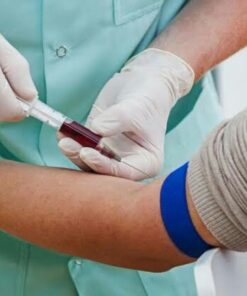
The test requires a standard blood sample from the mother. Risks are minimal and limited to mild pain, bruising, or dizziness at the puncture site. The test itself is safe for both mother and baby.


Reviews
There are no reviews yet.