RBC Count, Whole Blood
What it is
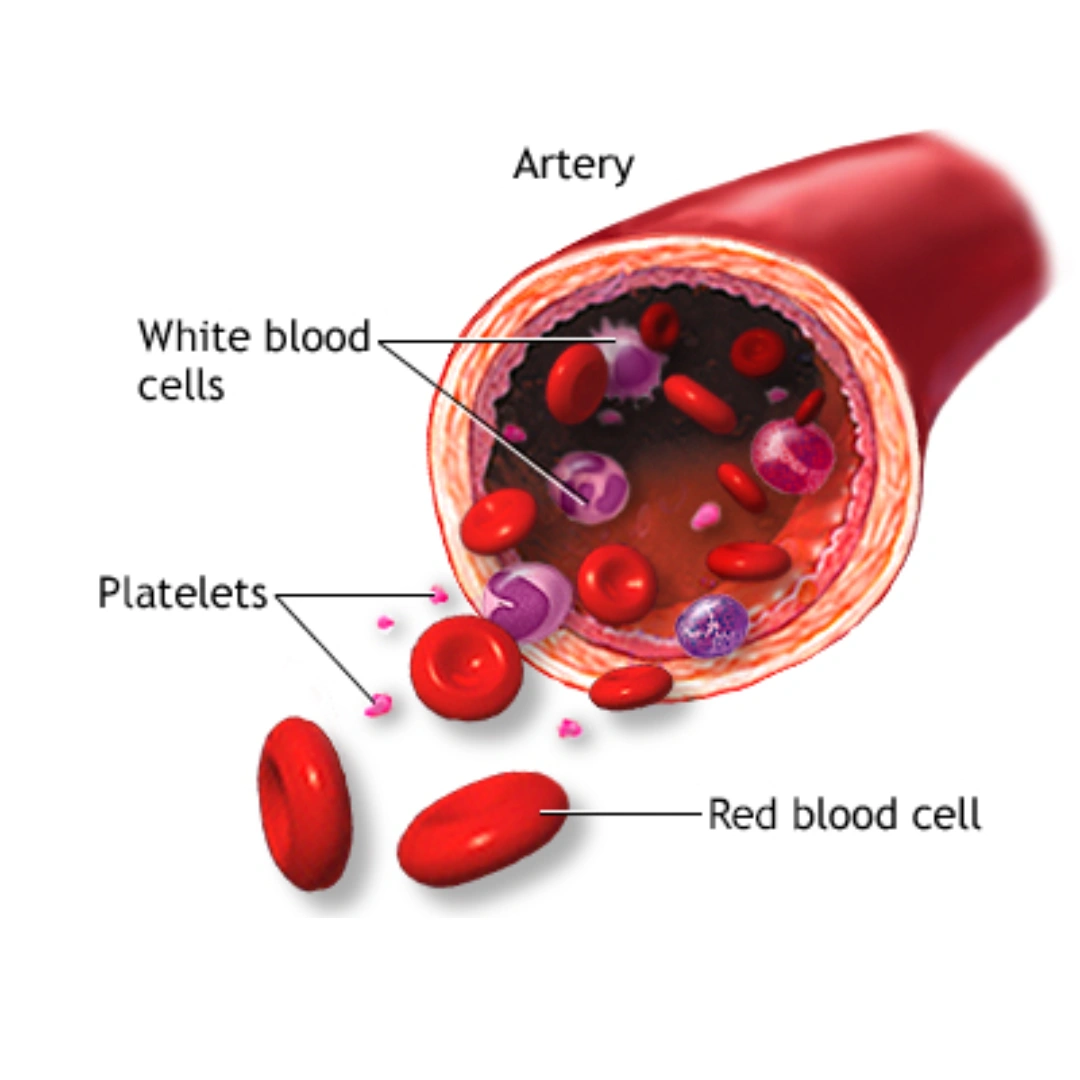
The RBC Count, Whole Blood test measures the number of red blood cells (RBCs) in a given volume of blood. Red blood cells are responsible for carrying oxygen from the lungs to tissues and transporting carbon dioxide back to the lungs for exhalation. This test is a key component of a Complete Blood Count (CBC) and helps evaluate overall blood health and oxygen-carrying capacity.
Uses
This test is used to:
– Detect anemia (low RBC count) and determine its severity.
– Diagnose conditions that cause high RBC counts, such as polycythemia vera.
– Monitor patients with chronic diseases affecting the bone marrow, heart, or lungs.
– Evaluate nutritional deficiencies (iron, vitamin B12, folate).
– Assess overall health during routine check-ups or before surgery.
Symptoms That May Lead to the Test
Doctors may recommend an RBC count if you have:
– Fatigue, weakness, or pale skin.
– Shortness of breath or dizziness.
– Unexplained bruising or frequent infections.
– Persistent headaches or vision problems.
– Symptoms of chronic conditions like kidney disease, heart disease, or lung disorders.
Abnormal Results
Low RBC Count (Anemia): May indicate iron deficiency, vitamin B12 or folate deficiency, chronic kidney disease, blood loss, bone marrow disorders, or chronic illness. Symptoms often include fatigue, pallor, and shortness of breath.
High RBC Count (Polycythemia): May result from polycythemia vera (a bone marrow disorder), dehydration, chronic lung disease, congenital heart disease, or living at high altitudes. High levels can increase the risk of blood clots.
Abnormal results are usually interpreted alongside hemoglobin, hematocrit, and other CBC parameters for accurate diagnosis.
Risks
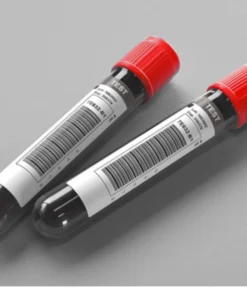
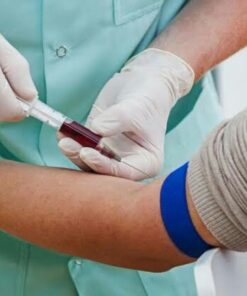
The test requires a standard blood sample. Risks are minimal, limited to mild pain, bruising, or dizziness at the puncture site. The laboratory analysis itself carries no risks.


Reviews
There are no reviews yet.