Respiratory Syncytial Virus (RSV) IgG Antibody
What it is
The Respiratory Syncytial Virus (RSV) IgG Antibody test detects IgG antibodies in the blood that develop after infection with RSV. RSV is a common virus that causes respiratory tract infections, particularly in infants, young children, older adults, and people with weakened immune systems. The presence of IgG antibodies indicates past exposure or infection and helps assess immune status against RSV.
Uses
This test is used to:
– Confirm past infection with RSV.
– Evaluate immunity status in individuals at risk for severe RSV disease.
– Support diagnosis in combination with RSV IgM testing for current or recent infections.
– Assist in research or epidemiological studies of RSV exposure.
Symptoms That May Lead to the Test
Doctors may recommend an RSV antibody test if you have:
– History of recurrent or severe respiratory infections.
– Suspected prior RSV exposure, especially in infants or elderly patients.
– Chronic lung conditions (e.g., asthma, COPD) or immunodeficiency.
– Symptoms such as persistent cough, wheezing, difficulty breathing, fever, or nasal congestion.
Abnormal Results
Positive IgG Result: Indicates previous RSV infection or exposure. It may also suggest immunity, although reinfections can occur. In newborns, IgG may reflect maternal antibody transfer rather than the infant’s own immune response.
Negative IgG Result: Suggests no prior exposure to RSV or absence of detectable antibodies, meaning susceptibility to infection remains.
To confirm recent or active infection, RSV IgM testing or molecular methods (PCR) are usually performed alongside.
Risks
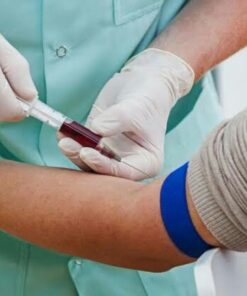
The test requires a standard blood draw. Risks are minimal and limited to mild pain, bruising, or dizziness at the puncture site. The analysis itself carries no risk.


Reviews
There are no reviews yet.