Reticulocyte Count, Whole Blood
What it is
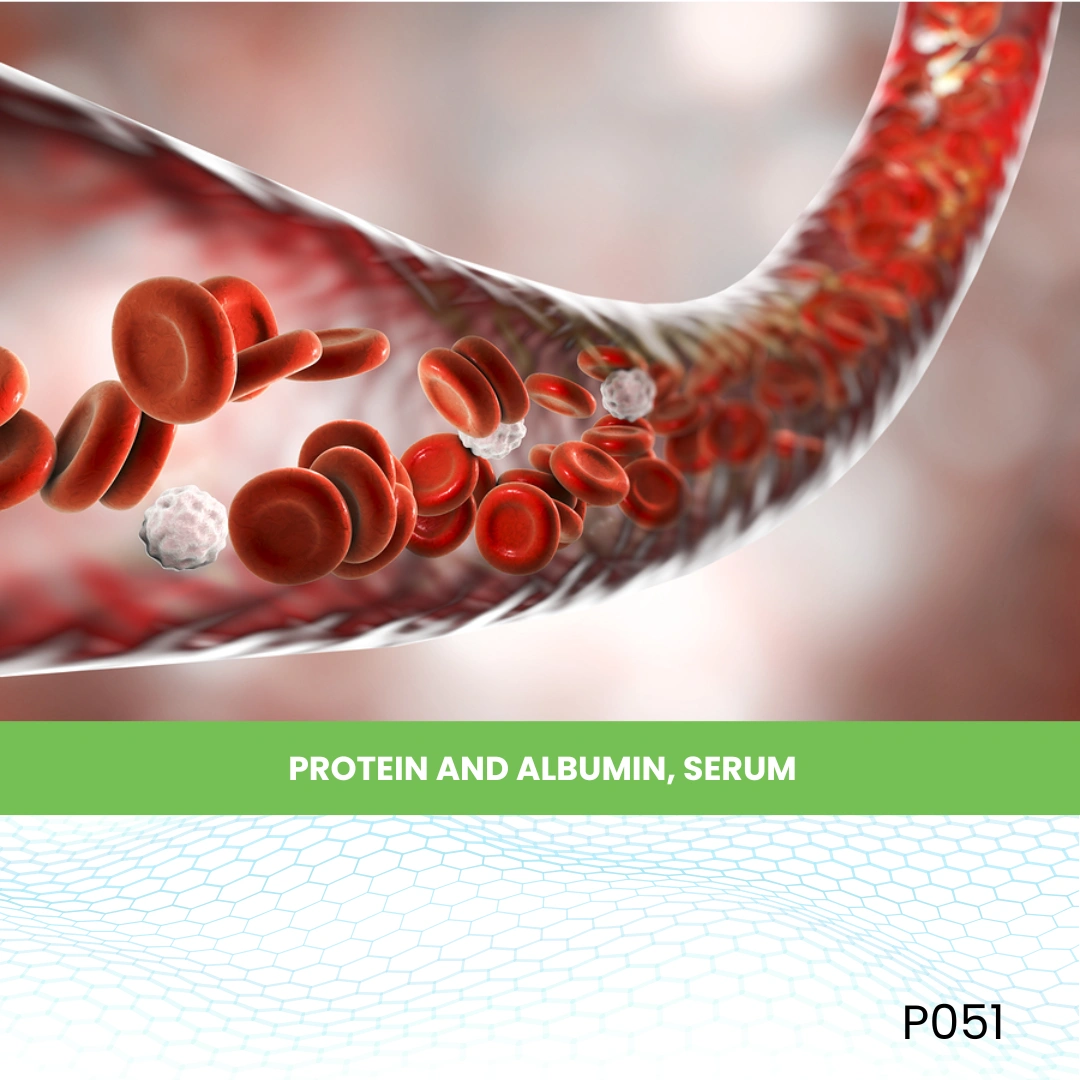
The Reticulocyte Count, Whole Blood test measures the number of reticulocytes (immature red blood cells) in the blood. Reticulocytes are produced by the bone marrow and mature into red blood cells within a day or two. This test helps evaluate how well the bone marrow is producing red blood cells and is an important tool in diagnosing and monitoring anemia and other blood-related disorders.
Uses
This test is used to:
– Assess bone marrow function and red blood cell production.
– Diagnose and monitor different types of anemia.
– Evaluate response to anemia treatments such as iron, vitamin B12, folic acid supplementation, or erythropoietin therapy.
– Monitor bone marrow recovery after chemotherapy, bone marrow transplant, or treatment for blood loss.
– Differentiate between decreased production vs. increased destruction of red blood cells.
Symptoms That May Lead to the Test
Doctors may recommend a reticulocyte count if you have:
– Fatigue, weakness, or pale skin.
– Shortness of breath or dizziness.
– Unexplained anemia or abnormal red cell indices.
– Suspected bone marrow suppression or failure.
– History of recent blood loss or hemolytic anemia.
Abnormal Results
High Reticulocyte Count: Suggests increased red blood cell production, often seen in hemolytic anemia, blood loss, recovery from anemia treatment, or bone marrow recovery after chemotherapy.
Low Reticulocyte Count: Indicates reduced or impaired red blood cell production due to conditions like aplastic anemia, bone marrow suppression, chronic kidney disease, vitamin B12 or folate deficiency, or certain bone marrow disorders.
Results are usually interpreted with a Complete Blood Count (CBC) and other blood parameters for accurate diagnosis.
Risks
The test requires a routine blood draw. Risks are minimal and limited to mild pain, bruising, or dizziness at the puncture site. The laboratory analysis itself carries no risk.


Reviews
There are no reviews yet.