Rubella IgG, Serum
What it is
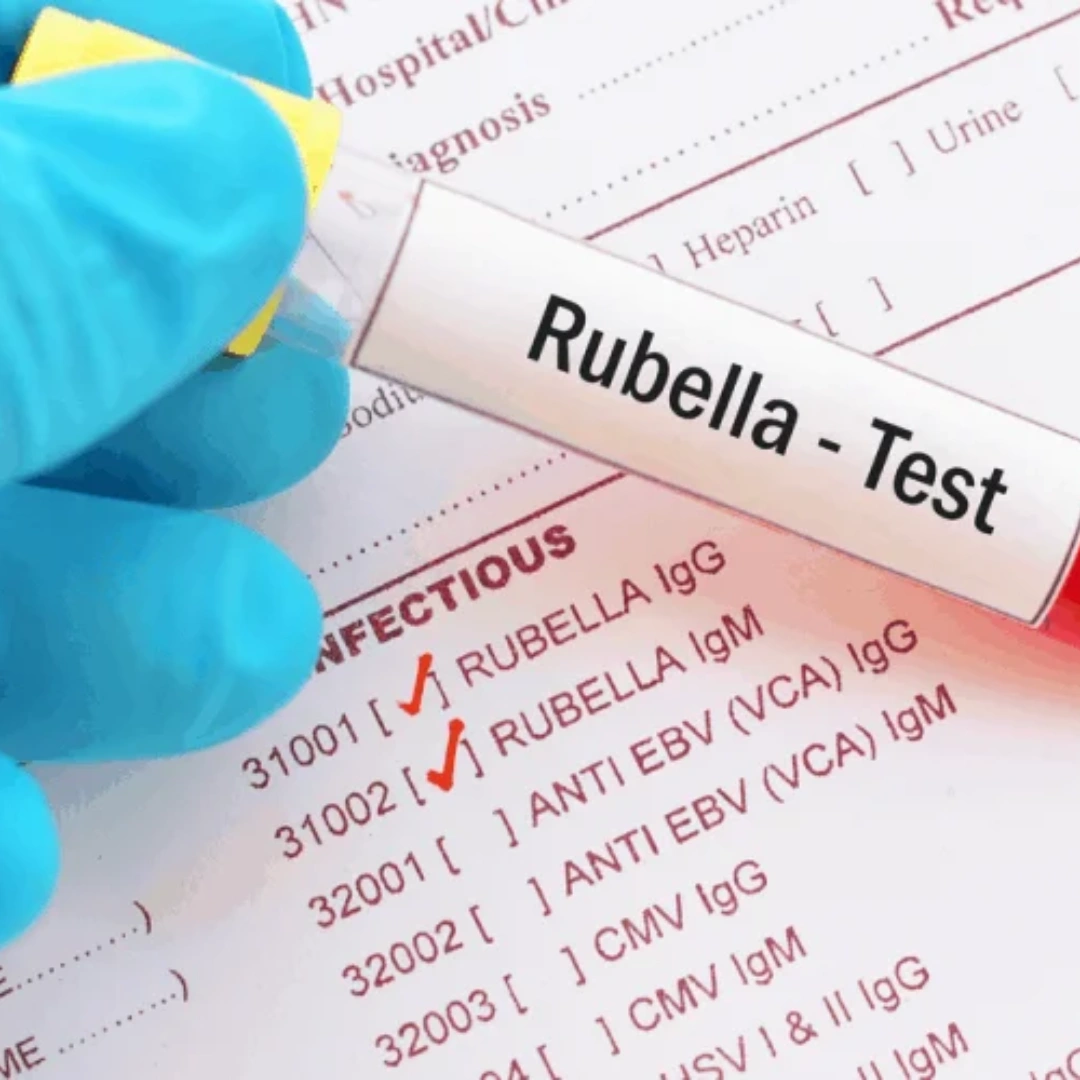
The Rubella IgG, Serum test measures IgG antibodies in the blood that develop after rubella infection or vaccination. Rubella, also known as German measles, is a contagious viral disease. The presence of IgG antibodies usually indicates past infection or successful immunization, providing long-term protection. This test is particularly important in pregnancy to ensure immunity and prevent congenital rubella syndrome (CRS).
Uses
This test is used to:
- Confirm immunity to rubella due to past infection or vaccination.
- Screen women before or during pregnancy to assess risk of CRS in the fetus.
- Evaluate vaccination effectiveness in children and adults.
- Differentiate between susceptible and immune individuals in outbreak settings.
- Support public health immunization programs.
Symptoms / Conditions That May Lead to the Test
Doctors may recommend this test if you have:
- Unclear or undocumented vaccination history.
- Pregnancy or are planning pregnancy, to check immunity.
- Possible exposure to rubella during pregnancy.
- Participation in routine prenatal screening programs.
- Healthcare or childcare work, where immunity status is critical.
Abnormal Results
- Positive IgG: Indicates past infection or successful vaccination, providing protective immunity. Pregnant women with positive IgG are generally not at risk for CRS.
- Negative IgG: Suggests no immunity to rubella. In non-pregnant women, vaccination is recommended to prevent future infection.
In cases of suspected recent infection, doctors may also order Rubella IgM or IgG Avidity tests to confirm timing of exposure.
Risks
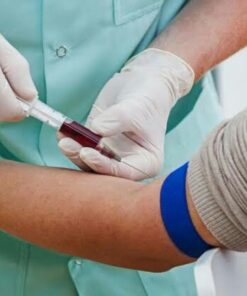
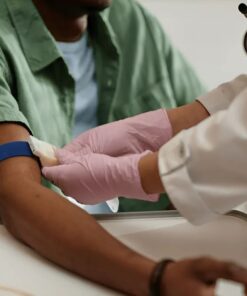
The test requires a routine blood sample. Risks are minimal and may include:
- Mild pain or discomfort at the needle site.
- Minor bruising or bleeding.
- Rare dizziness or fainting after blood draw.


Reviews
There are no reviews yet.