Rubella IgM, Serum
What it is
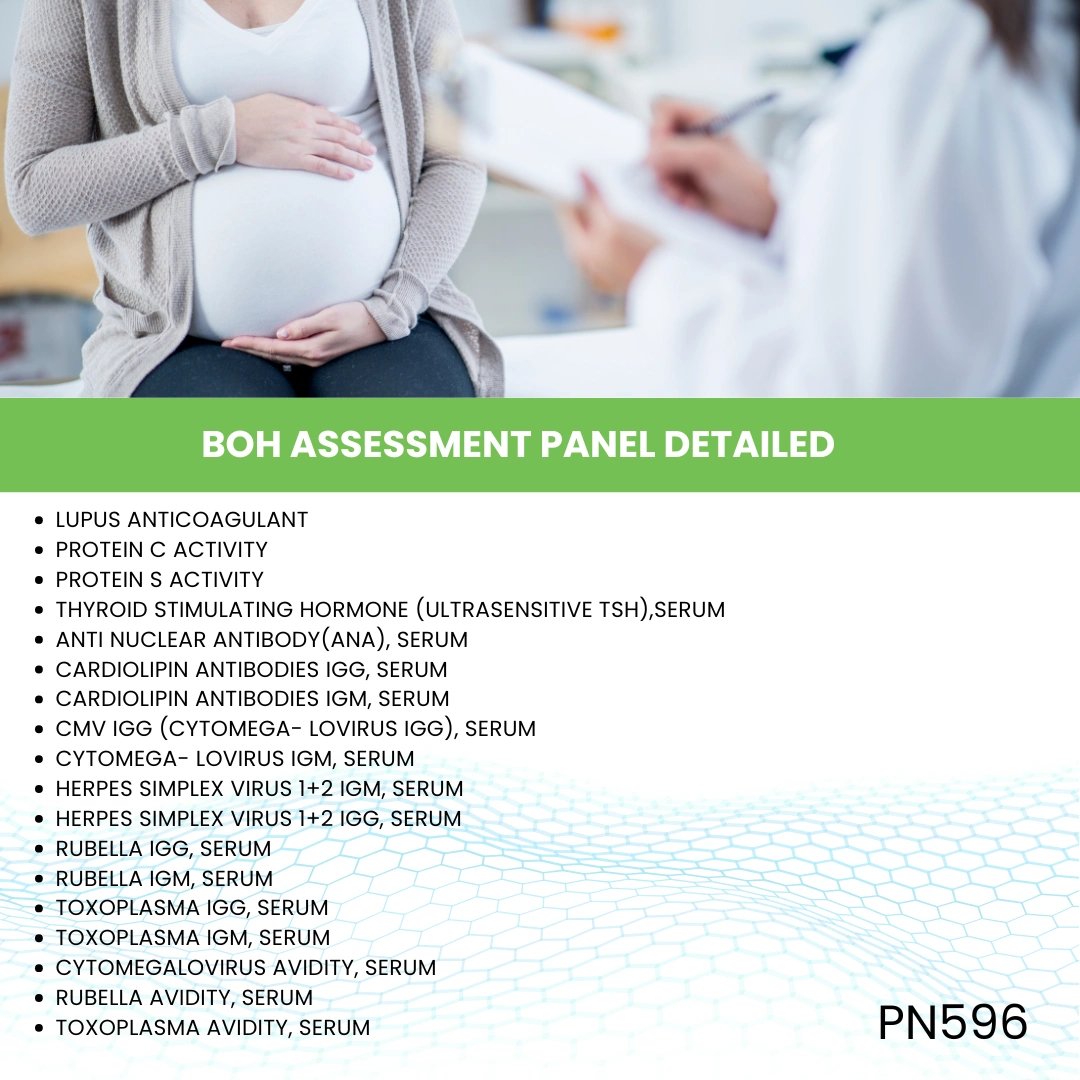
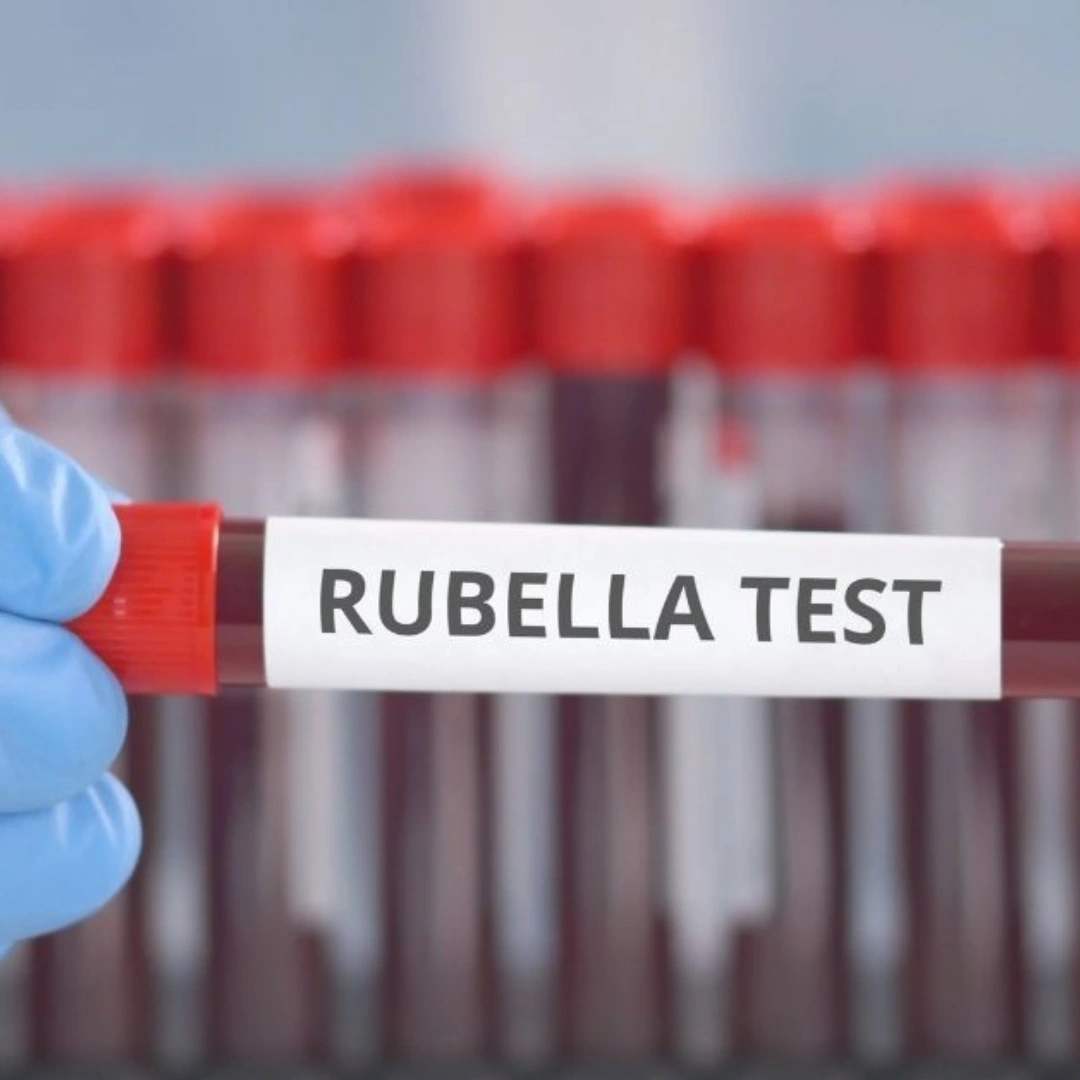
The Rubella IgM, Serum test detects IgM antibodies in the blood that develop shortly after infection with the rubella virus. Rubella, also known as German measles, is a contagious viral infection that is generally mild in children and adults but can cause serious complications in pregnant women, leading to congenital rubella syndrome (CRS) in the fetus. The presence of IgM antibodies indicates a recent or active infection.
Uses
This test is used to:
- Diagnose recent or current rubella infection.
- Confirm rubella as the cause of fever and rash illnesses.
- Evaluate pregnant women suspected of recent rubella exposure or infection.
- Support outbreak investigations during rubella epidemics.
- Differentiate between recent infection and past immunity (along with Rubella IgG testing).
Symptoms That May Lead to the Test
Doctors may recommend this test if you have:
- Fever with rash, especially pink or red spots starting on the face and spreading to the body.
- Swollen lymph nodes behind the ears or at the back of the neck.
- Joint pain or swelling.
- Flu-like symptoms such as fatigue, headache, or mild fever.
- Pregnancy with possible exposure to rubella.
Abnormal Results
- Positive IgM: Indicates a recent or active rubella infection. In pregnant women, this raises concern for congenital rubella syndrome (CRS), and confirmatory tests may be required.
- Negative IgM: Suggests no recent rubella infection. If immunity status is uncertain, a Rubella IgG test can help determine prior exposure or vaccination.
False positives can occur; results are often confirmed with IgG avidity testing or repeat testing.
Risks
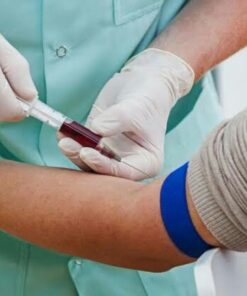
The test requires a routine blood sample. Risks are minimal and may include:
- Mild pain or discomfort at the needle site.
- Minor bruising or bleeding.
- Rare dizziness or fainting after blood draw.


Reviews
There are no reviews yet.