Scrub Typhus IgM Antibody
What it is
The Scrub Typhus IgM Antibody test detects IgM antibodies produced by the immune system in response to infection with Orientia tsutsugamushi, the bacteria that causes scrub typhus. This vector-borne disease is transmitted through bites of infected chiggers (larval mites) and is prevalent in rural and forested regions of Asia-Pacific. Detection of IgM antibodies indicates a recent or active infection, making this test crucial for timely diagnosis.
Uses
This test is used to:
- Diagnose acute scrub typhus infection.
- Differentiate scrub typhus from other causes of fever such as dengue, malaria, or leptospirosis.
- Enable prompt initiation of antibiotics to reduce complications.
- Assist in outbreak monitoring in endemic areas.
Symptoms / Conditions That May Lead to the Test
Doctors may recommend this test if you have:
- High fever with chills and severe headache.
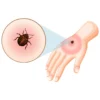
- Eschar (dark scab at the site of chigger bite), a characteristic sign of scrub typhus.
- Skin rash and swollen lymph nodes.
- Muscle aches, cough, or abdominal discomfort.
- History of travel or residence in scrub typhus endemic areas.
Abnormal Results
- Positive IgM Antibody: Confirms recent or active scrub typhus infection. Early detection allows effective treatment with antibiotics like doxycycline or azithromycin.
- Negative IgM Antibody: Suggests no recent infection. However, early-stage disease may not show detectable antibodies, so repeat testing or alternative methods like PCR may be necessary.
For a complete picture, doctors may also request IgG antibody testing to evaluate past infection or immune response.
Risks
The test requires a blood sample. Risks are minimal and may include:
- Mild pain or soreness at the puncture site.
- Minor bleeding or bruising.
- Rare dizziness or fainting during or after the procedure.


Reviews
There are no reviews yet.