Scrub Typhus IgM
What it is
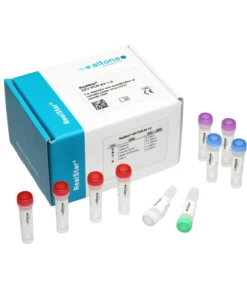
The Scrub Typhus IgM test detects IgM antibodies in the blood against Orientia tsutsugamushi, the bacteria responsible for scrub typhus. This infection is transmitted through bites of infected chiggers (larval mites) and is common in rural and forested areas of Asia-Pacific. The presence of IgM antibodies indicates a recent or active infection, helping in early diagnosis and treatment.
Uses
This test is used to:
- Diagnose recent or current scrub typhus infection.
- Differentiate scrub typhus from other causes of acute febrile illness (such as malaria, dengue, or leptospirosis).
- Guide timely initiation of antibiotic treatment to prevent complications.
- Support outbreak investigations in endemic regions.
Symptoms / Conditions That May Lead to the Test
Doctors may recommend this test if you have:
- High fever, chills, and severe headache.
- Skin rash or presence of an eschar (a dark scab at the bite site).
- Swollen lymph nodes.
- Body aches, cough, or gastrointestinal symptoms.
- History of travel or residence in scrub typhus–endemic areas.
Abnormal Results
- Positive IgM: Indicates a recent or active scrub typhus infection and supports starting appropriate antibiotic therapy (e.g., doxycycline or azithromycin).
- Negative IgM: Suggests no recent infection, though testing may be repeated if symptoms persist, as IgM antibodies may take time to appear in early stages.
For confirmation, doctors may use other tests such as IgG antibodies, PCR, or indirect immunofluorescence assay (IFA).
Risks
The test requires a simple blood sample. Risks are minimal and may include:
- Mild pain or soreness at the puncture site.
- Minor bruising or bleeding.
- Rare dizziness or fainting during blood draw.


Reviews
There are no reviews yet.