Sex Hormone Binding Globulin (SHBG), Serum
What it is
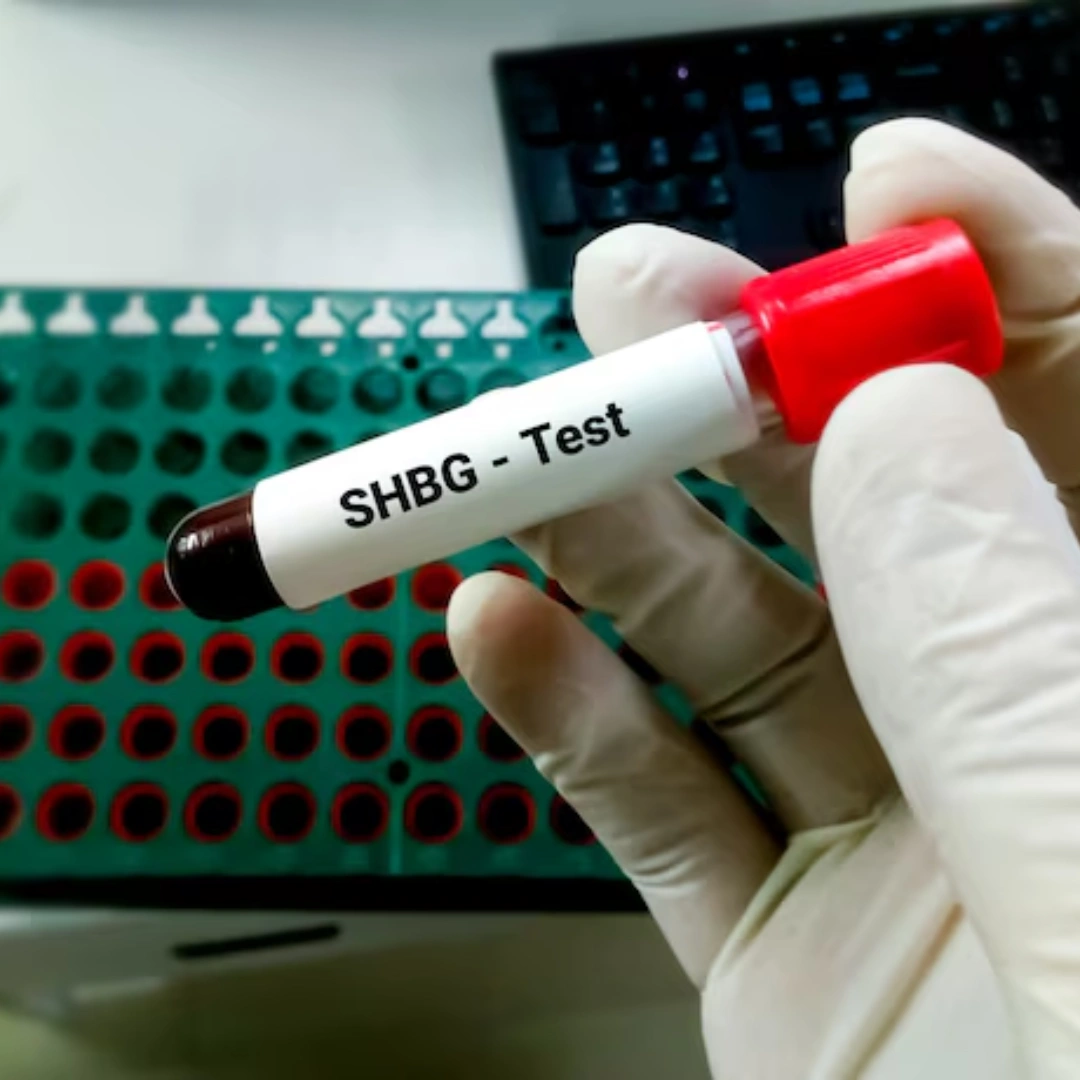
The Sex Hormone Binding Globulin (SHBG), Serum test measures the level of SHBG, a protein produced in the liver that binds to sex hormones such as testosterone and estradiol. SHBG controls how much of these hormones are freely available in the bloodstream to be used by the body. Abnormal SHBG levels can affect reproductive health, fertility, and overall hormonal balance in both men and women.
Uses
This test is used to:
- Evaluate abnormal testosterone or estrogen levels.
- Investigate symptoms of infertility, low libido, or irregular menstrual cycles.
- Assess androgen-related disorders such as polycystic ovary syndrome (PCOS) in women.
- Support diagnosis of conditions like hypogonadism in men.
- Help doctors calculate free or bioavailable testosterone when total testosterone levels are unclear.
Symptoms / Conditions That May Lead to the Test
Doctors may recommend this test if you have:
- In men: low sex drive, erectile dysfunction, infertility, loss of muscle mass, or fatigue.
- In women: irregular or absent periods, excessive hair growth (hirsutism), acne, or infertility.
- Suspected polycystic ovary syndrome (PCOS).
- Symptoms of hormonal imbalance such as mood changes or unexplained weight gain/loss.
- Liver disease, thyroid dysfunction, or metabolic syndrome that may affect SHBG levels.
Abnormal Results
- High SHBG Levels: May lower the amount of free testosterone or estrogen. Seen in hyperthyroidism, liver disease, pregnancy, or estrogen therapy.
- Low SHBG Levels: May increase the amount of free testosterone, often linked to polycystic ovary syndrome (PCOS), hypothyroidism, obesity, insulin resistance, or Cushing’s syndrome.
Abnormal SHBG levels are usually interpreted along with total testosterone, free testosterone, and estrogen levels for a complete hormonal assessment.
Risks
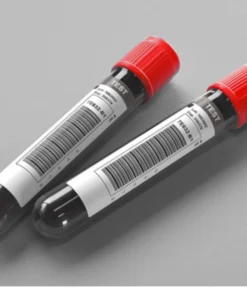
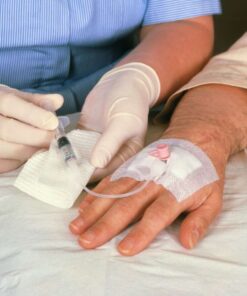
The test requires a routine blood sample. Risks are minimal and may include:
- Mild pain or soreness at the puncture site.
- Minor bruising or bleeding.
- Rare dizziness or fainting after blood collection.


Reviews
There are no reviews yet.