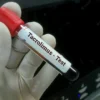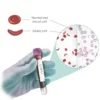
Sickling Test, Whole Blood
What it is
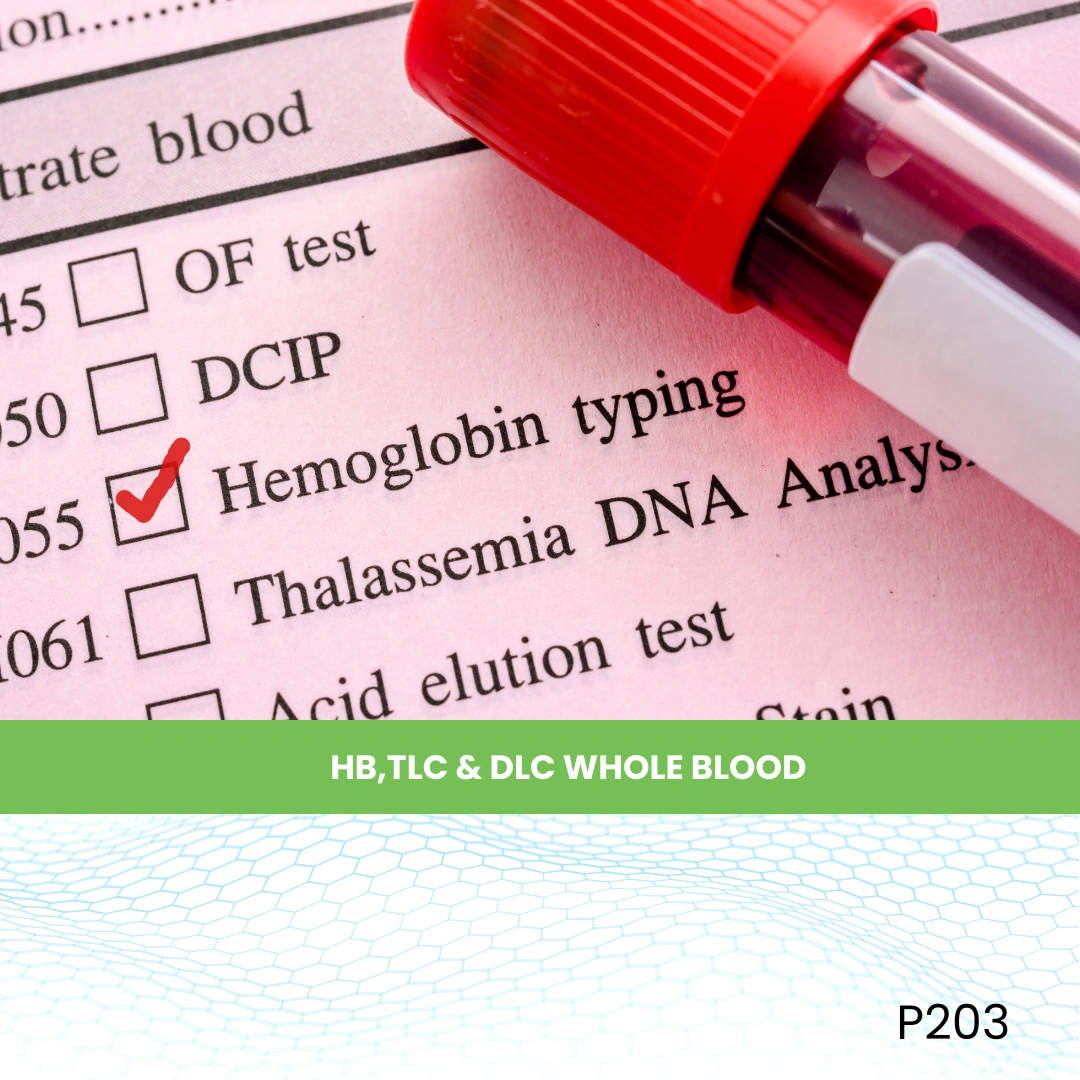
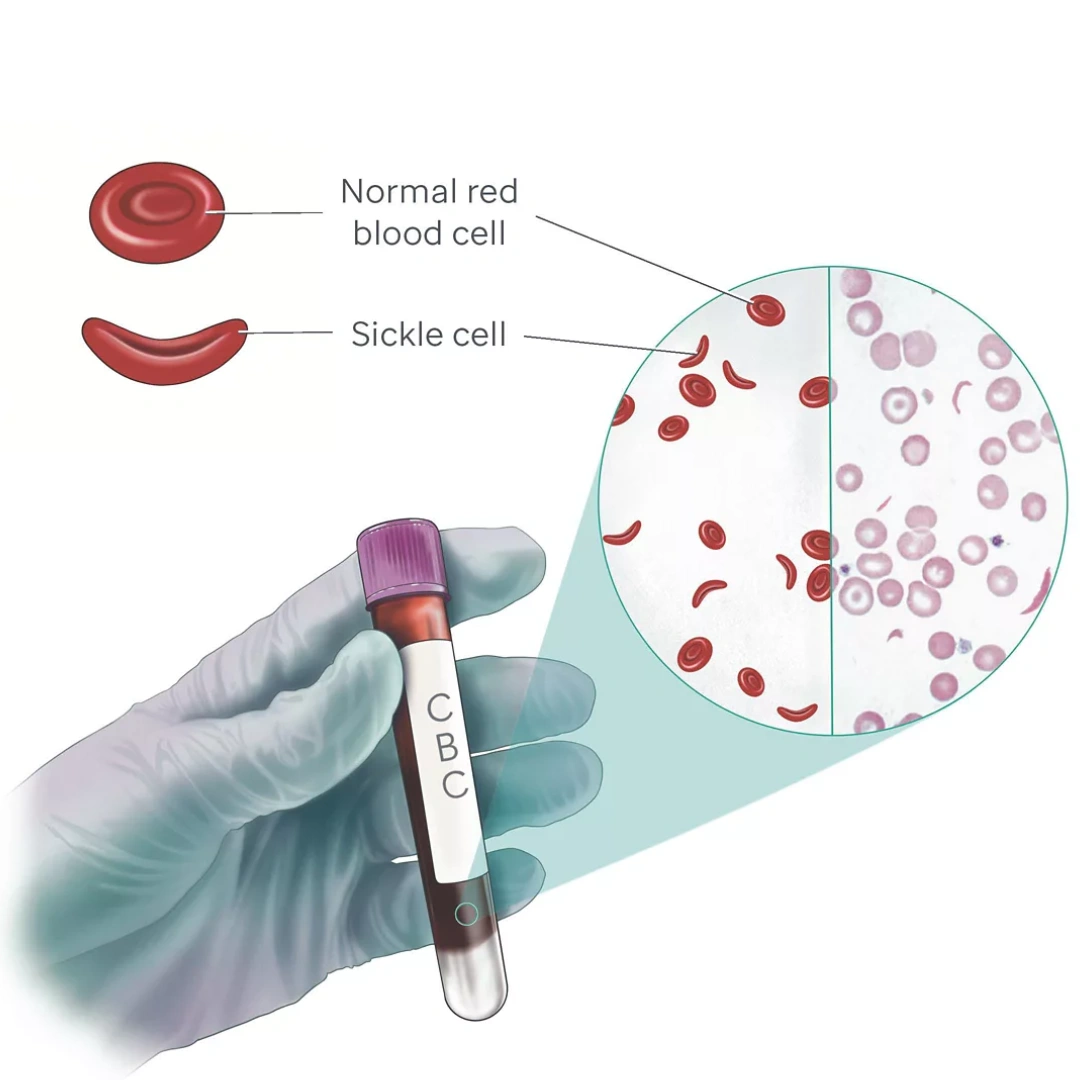
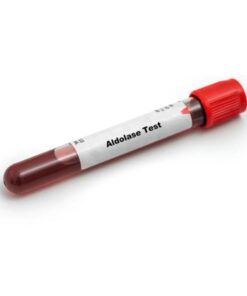
The Sickling Test, Whole Blood is a laboratory screening test used to detect the presence of sickle-shaped red blood cells caused by abnormal hemoglobin (HbS). When exposed to low oxygen conditions or certain chemical agents, red blood cells containing HbS become crescent or sickle-shaped instead of the normal round shape. This test helps in identifying sickle cell disease and sickle cell trait.
Uses
This test is used to:
- Screen for sickle cell disease (homozygous HbSS).
- Detect sickle cell trait (heterozygous HbAS) in carriers.
- Differentiate between normal hemoglobin and sickle hemoglobin.
- Support clinical diagnosis of patients with anemia or vaso-occlusive symptoms.
- Assist in population screening programs in areas where sickle cell disease is common.
Symptoms / Conditions That May Lead to the Test
Doctors may recommend this test if you have:
- Unexplained anemia, fatigue, or weakness.
- Episodes of severe pain (vaso-occlusive crisis).
- History of recurrent infections.
- Delayed growth or developmental issues in children.
- Family history of sickle cell disease or carrier status.
Abnormal Results
- Positive Sickling Test: Indicates the presence of HbS. A positive result may suggest sickle cell disease or sickle cell trait. Further confirmatory tests such as hemoglobin electrophoresis or DNA analysis are required for definitive diagnosis.
- Negative Sickling Test: Suggests absence of sickle hemoglobin. The person is unlikely to have sickle cell disease or trait.
Because the sickling test is a screening tool, confirmatory testing is always recommended for accurate diagnosis.
Risks
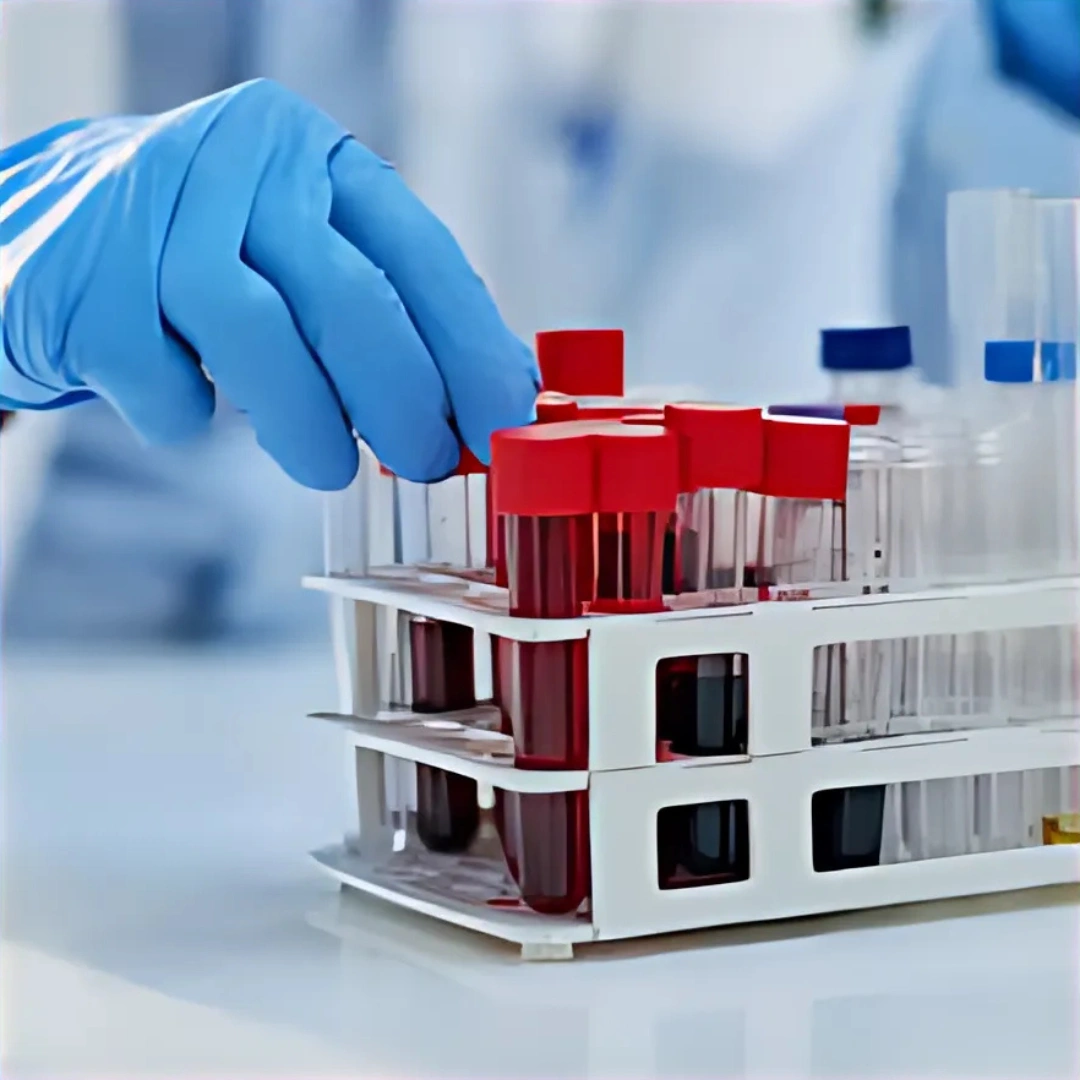
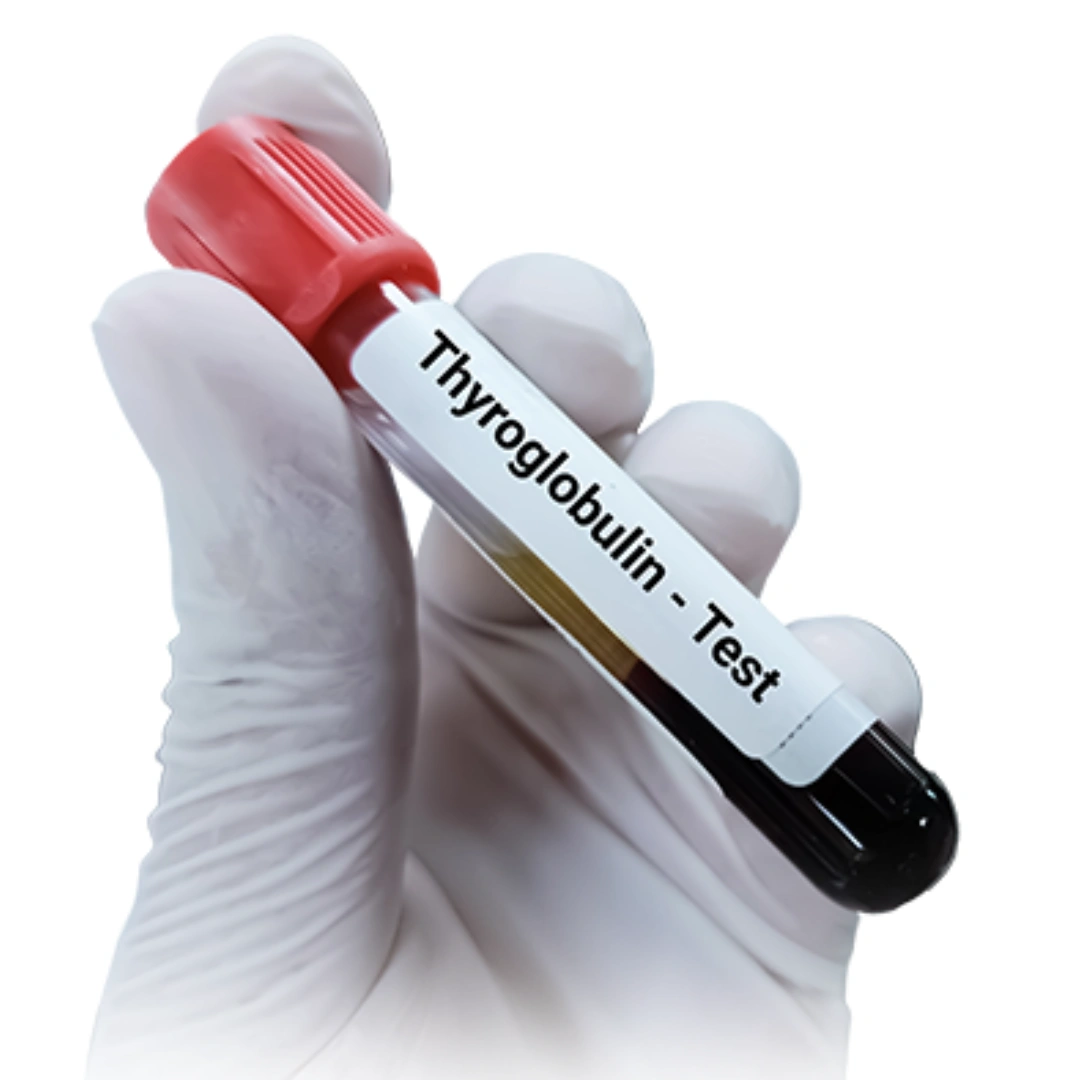
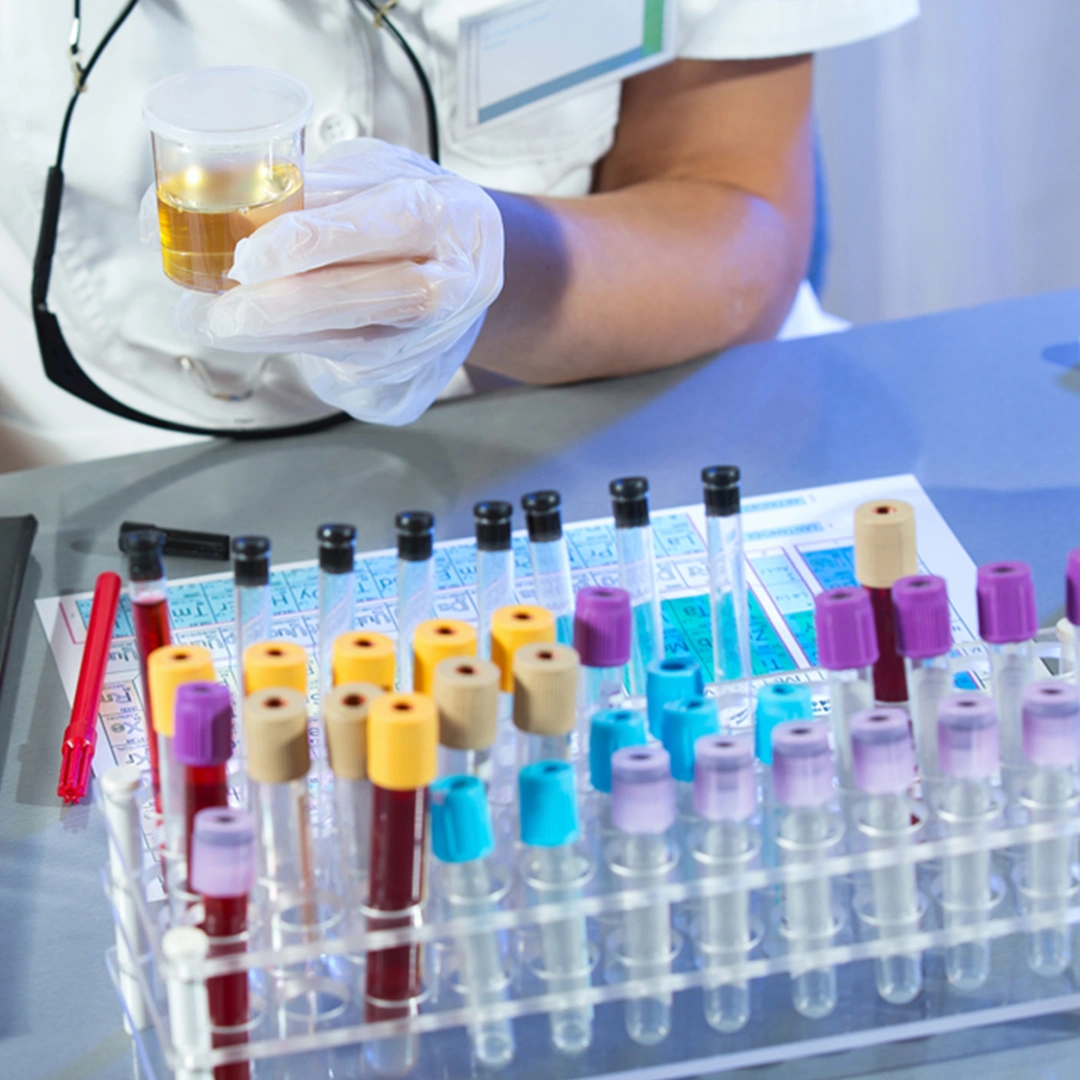
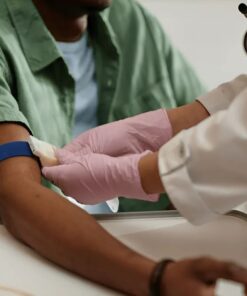
The test requires a blood sample. Risks are minimal and may include:
- Mild pain or discomfort at the puncture site.
- Minor bruising or bleeding.
- Rare dizziness or fainting after blood draw.


Reviews
There are no reviews yet.