Sirolimus
What it is
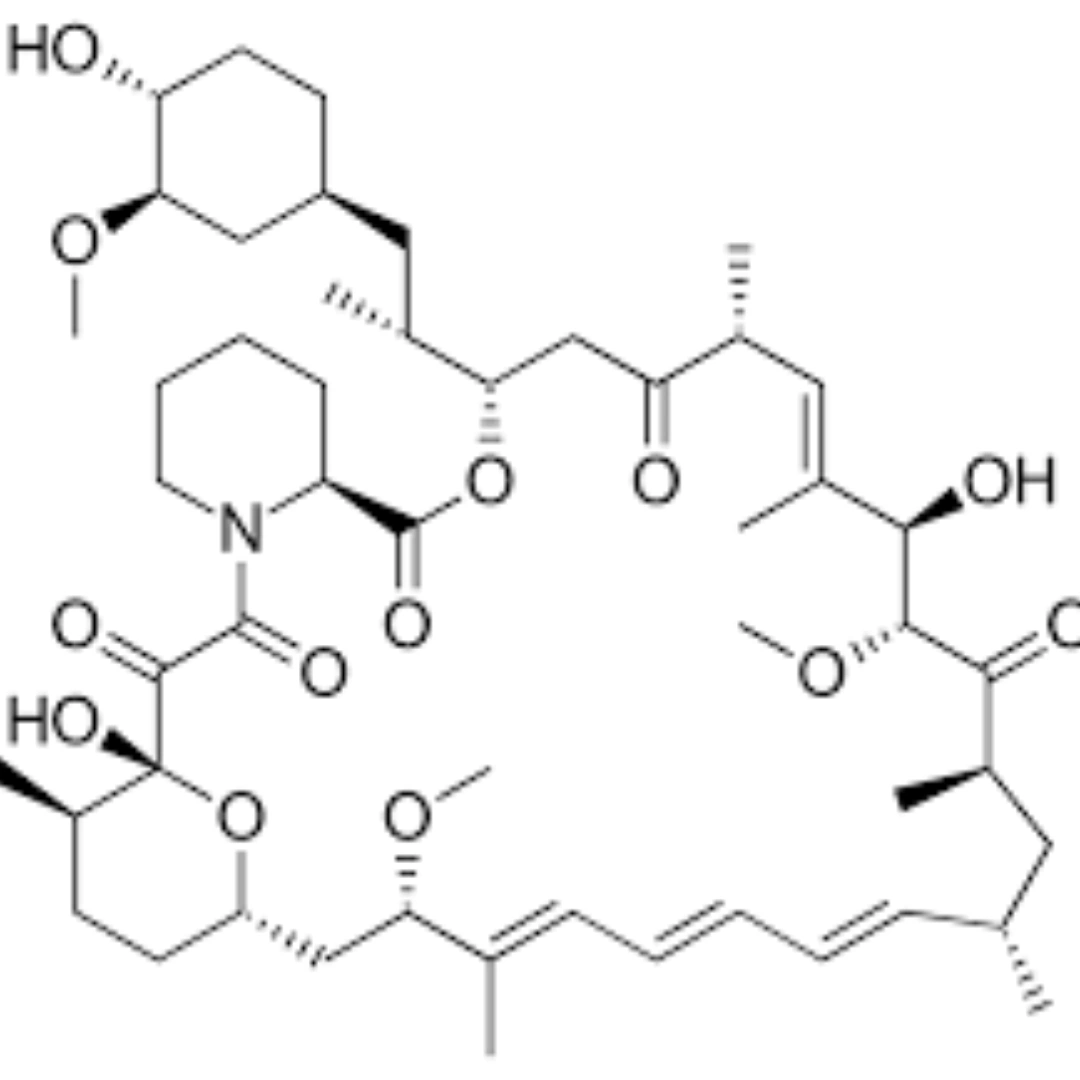
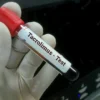
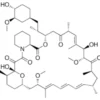
The Sirolimus test measures the concentration of sirolimus (also known as rapamycin) in the blood. Sirolimus is an immunosuppressive drug commonly prescribed to prevent organ transplant rejection and to treat certain rare conditions like lymphangioleiomyomatosis. Monitoring sirolimus levels helps ensure the drug is effective while avoiding toxicity.
Uses
This test is used to:
- Monitor blood levels of sirolimus in transplant patients.
- Ensure therapeutic effectiveness of the drug in preventing organ rejection.
- Adjust dosage to prevent side effects or toxicity.
- Evaluate compliance with prescribed treatment.
- Assist in managing conditions like lymphangioleiomyomatosis or certain cancers where sirolimus is used.
Symptoms / Conditions That May Lead to the Test
Doctors may recommend this test if you are:
- Receiving sirolimus after a kidney, liver, or heart transplant.
- Showing signs of organ rejection despite treatment.
- Experiencing potential side effects such as mouth ulcers, delayed wound healing, or lung problems.
- At risk of sirolimus toxicity due to kidney or liver impairment.
- Undergoing treatment for lymphangioleiomyomatosis or certain off-label conditions.
Abnormal Results
- High Sirolimus Levels: May indicate drug toxicity, leading to side effects such as increased risk of infections, delayed wound healing, mouth ulcers, lung toxicity, or kidney/liver damage.
- Low Sirolimus Levels: May reduce drug effectiveness and increase the risk of organ rejection or treatment failure.
Results must be interpreted alongside clinical symptoms and other laboratory findings. Dosage adjustments are usually made by the treating physician.
Risks
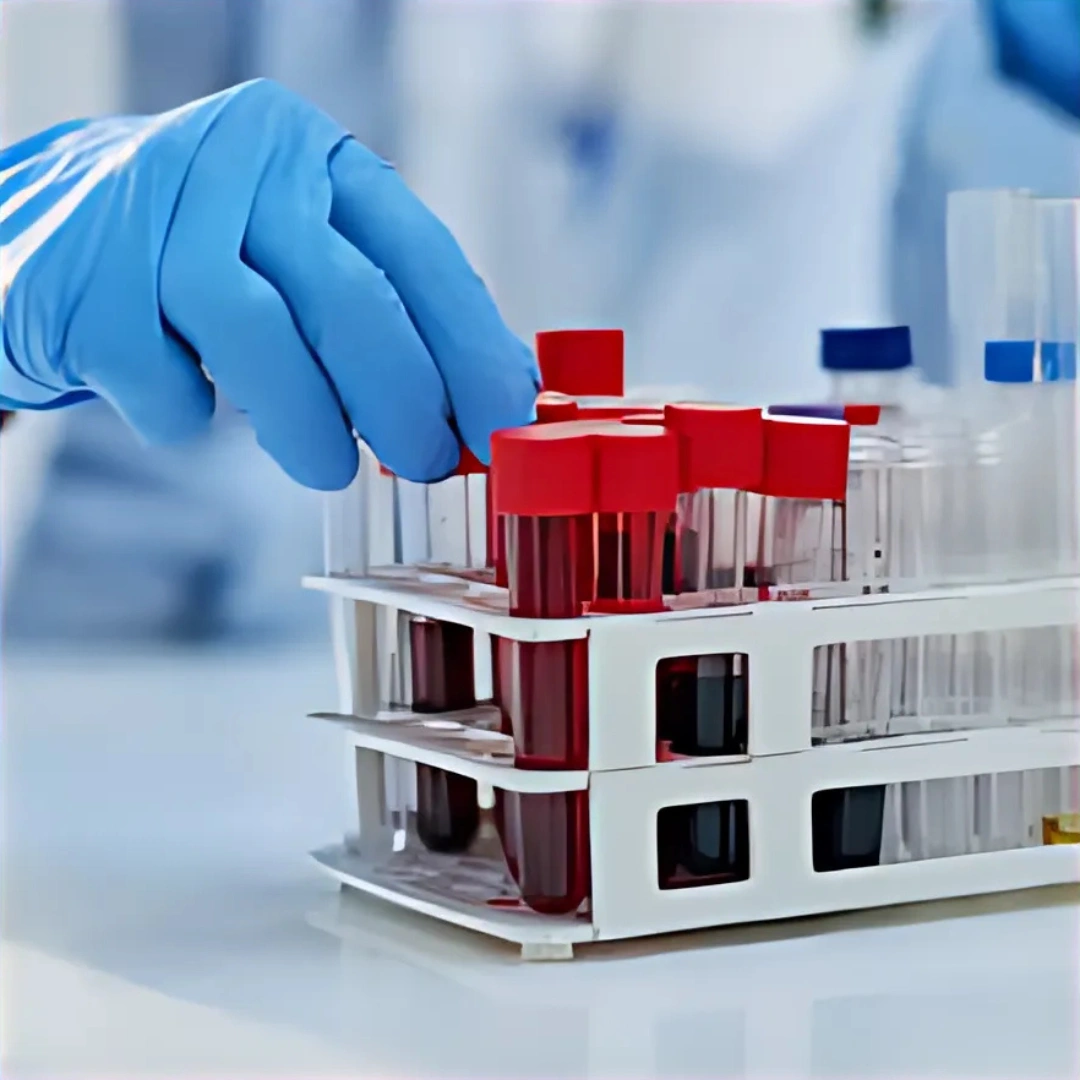
The test requires a routine blood sample. Risks are minimal and may include:
- Mild pain or discomfort at the needle site.
- Minor bruising or bleeding.
- Rare dizziness or fainting during or after the blood draw.


Reviews
There are no reviews yet.