Sjogren’s Antibody (SS-A / Anti-Ro)
What it is
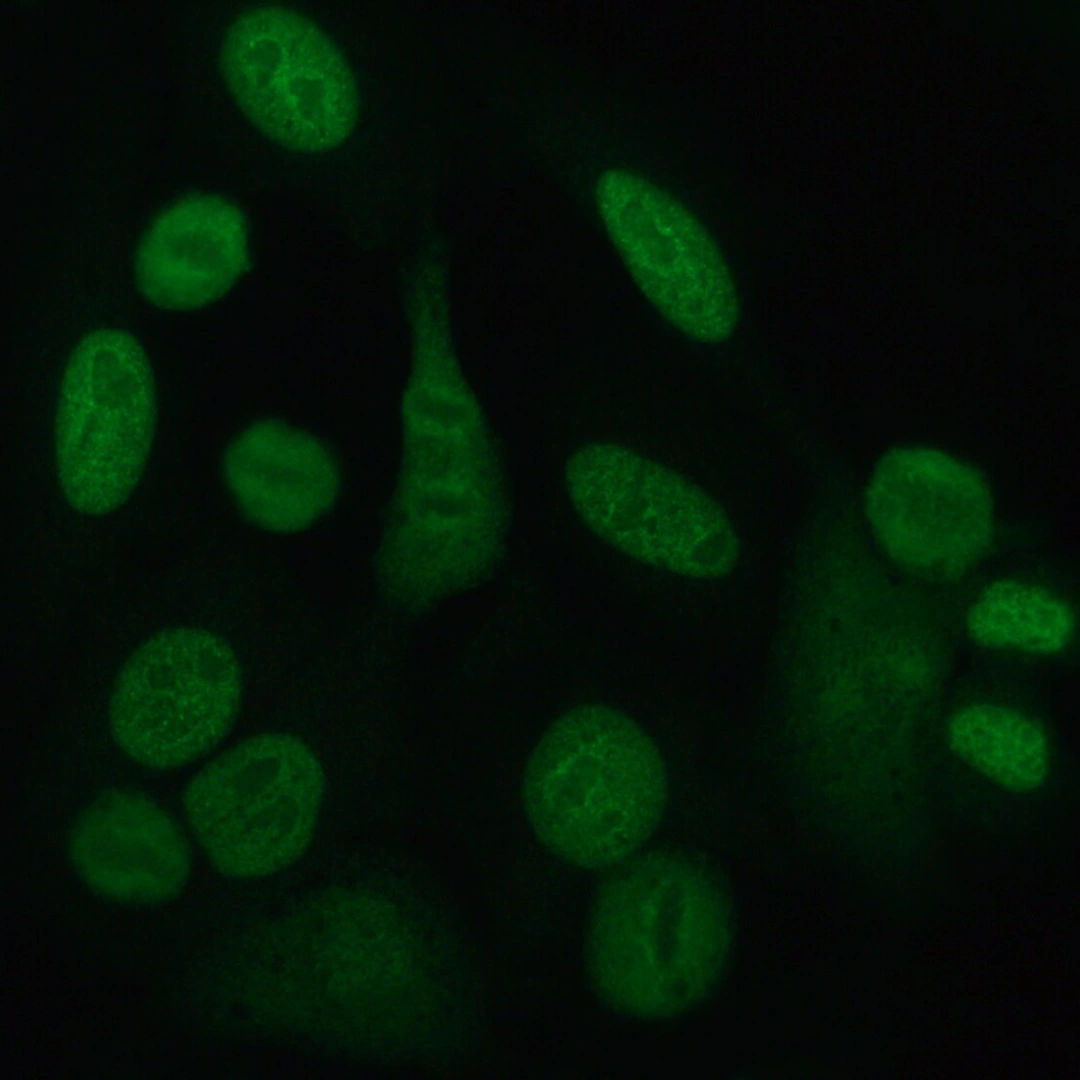
The Sjogren’s Antibody (SS-A / Anti-Ro) test detects autoantibodies directed against Ro/SSA antigens. These antibodies are strongly associated with Sjogren’s syndrome, an autoimmune disorder that primarily affects moisture-producing glands, leading to dryness of the eyes and mouth. Anti-Ro antibodies can also be seen in systemic lupus erythematosus (SLE) and other connective tissue diseases. The test helps in diagnosis, risk assessment, and monitoring of autoimmune conditions.
Uses
This test is used to:
- Assist in the diagnosis of Sjogren’s syndrome.
- Support evaluation of systemic lupus erythematosus (SLE) and other connective tissue diseases.
- Identify pregnant women at risk of neonatal lupus or congenital heart block in the fetus.
- Guide treatment and long-term monitoring of autoimmune disease patients.
- Differentiate autoimmune disorders in patients with overlapping symptoms.
Symptoms / Conditions That May Lead to the Test
Doctors may recommend this test if you have:
- Chronic dry eyes (gritty or burning sensation).
- Persistent dry mouth (difficulty swallowing or speaking).
- Swollen salivary glands or recurrent dental issues.
- Joint pain, stiffness, or fatigue.
- History of autoimmune diseases such as lupus or rheumatoid arthritis.
- Pregnancy with suspected or confirmed autoimmune antibodies.
Abnormal Results
- Positive Anti-Ro/SS-A: Suggests the presence of autoimmune activity. Strongly associated with Sjogren’s syndrome, but may also occur in SLE, rheumatoid arthritis, or other connective tissue disorders. In pregnancy, it indicates risk of neonatal lupus or congenital heart block.
- Negative Anti-Ro/SS-A: Reduces the likelihood of Sjogren’s syndrome but does not completely rule it out, as some patients may test negative while still having the disease.
Results are usually interpreted with Anti-La/SS-B antibodies, ANA, clinical symptoms, and imaging for a more accurate diagnosis.
Risks
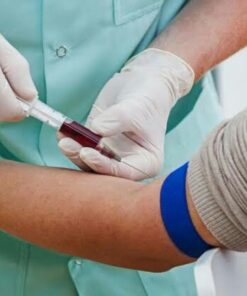
The test requires a routine blood sample. Risks are minimal and may include:
- Mild pain or discomfort at the puncture site.
- Minor bruising or bleeding.
- Rare dizziness or fainting after blood collection.


Reviews
There are no reviews yet.