Sm/RNP Antibody
What it is
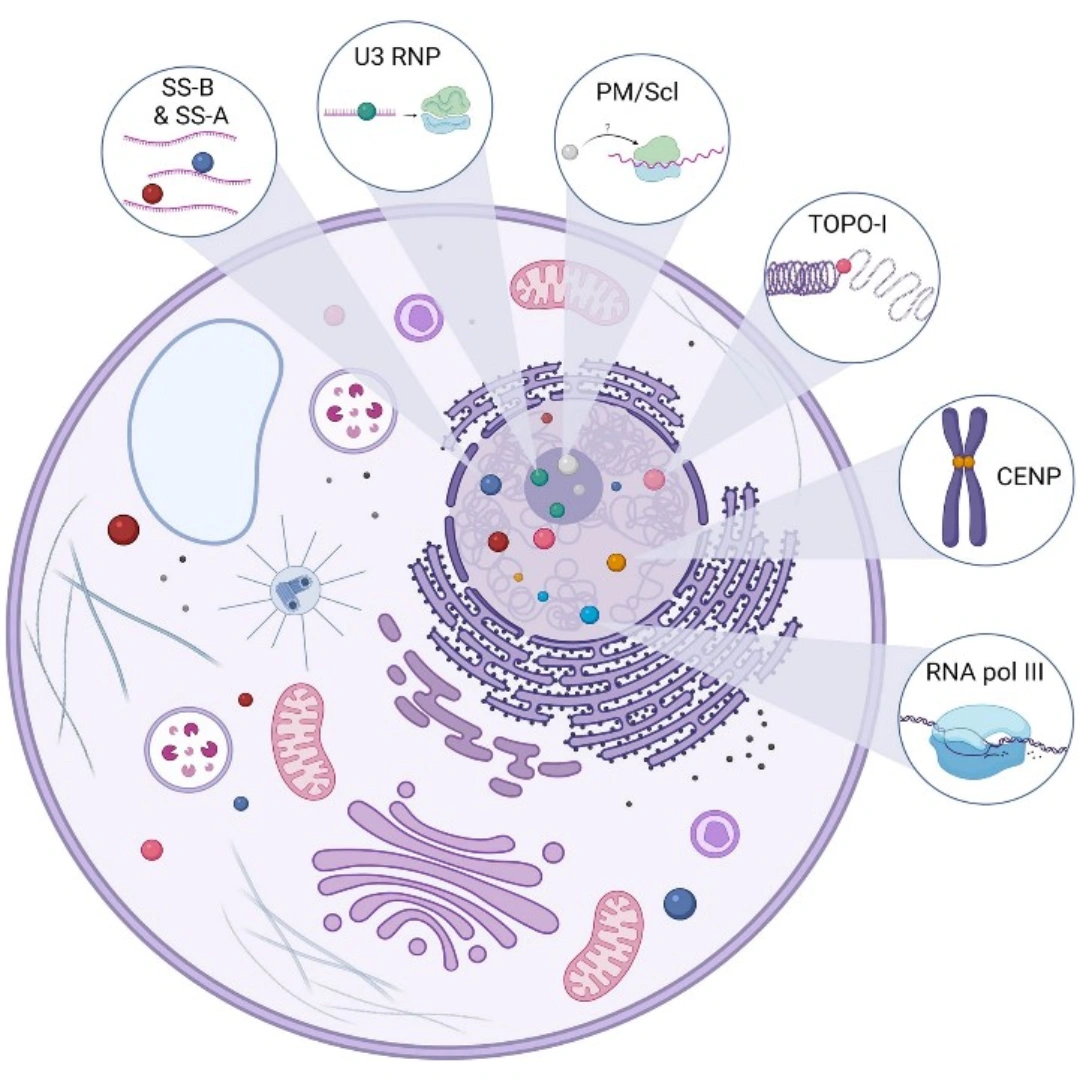
The Sm/RNP Antibody test detects autoantibodies directed against Smith (Sm) and ribonucleoprotein (RNP) antigens. These antibodies are commonly associated with systemic lupus erythematosus (SLE), mixed connective tissue disease (MCTD), and other autoimmune disorders. The presence of Sm antibodies is highly specific for lupus, while RNP antibodies are strongly linked with MCTD.
Uses
This test is used to:
- Assist in diagnosing systemic lupus erythematosus (SLE).
- Detect mixed connective tissue disease (MCTD), where high RNP antibody levels are common.
- Differentiate between autoimmune connective tissue disorders such as lupus, scleroderma, and polymyositis.
- Support evaluation of patients with overlapping autoimmune symptoms.
- Guide further testing such as ANA, dsDNA, and extractable nuclear antigen (ENA) panels.
Symptoms / Conditions That May Lead to the Test
Doctors may recommend this test if you have:
- Unexplained joint pain, swelling, or stiffness.
- Chronic fatigue or weakness.
- Skin rashes (especially butterfly-shaped rash across the face).
- Raynaud’s phenomenon (color changes in fingers/toes with cold or stress).
- Muscle weakness or inflammation.
- Swelling of hands, feet, or eyelids.
- History or suspicion of connective tissue disorders in the family.
Abnormal Results
- Positive Sm Antibody: Highly specific for lupus and strongly supports an SLE diagnosis when clinical symptoms are present.
- Positive RNP Antibody: Strongly associated with mixed connective tissue disease (MCTD), and may also appear in lupus, scleroderma, or polymyositis.
- Negative Results: Reduce the likelihood of lupus or MCTD but do not completely rule out autoimmune disease. Other antibody tests may still be needed.
Results must be interpreted with clinical evaluation and other antibody profiles for accurate diagnosis.
Risks
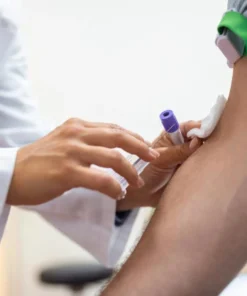
The test requires a routine blood sample. Risks are minimal and may include:
- Mild pain or soreness at the puncture site.
- Minor bruising or bleeding.
- Rare dizziness or fainting after blood draw.


Reviews
There are no reviews yet.