Stool for Reducing Substances
What it is
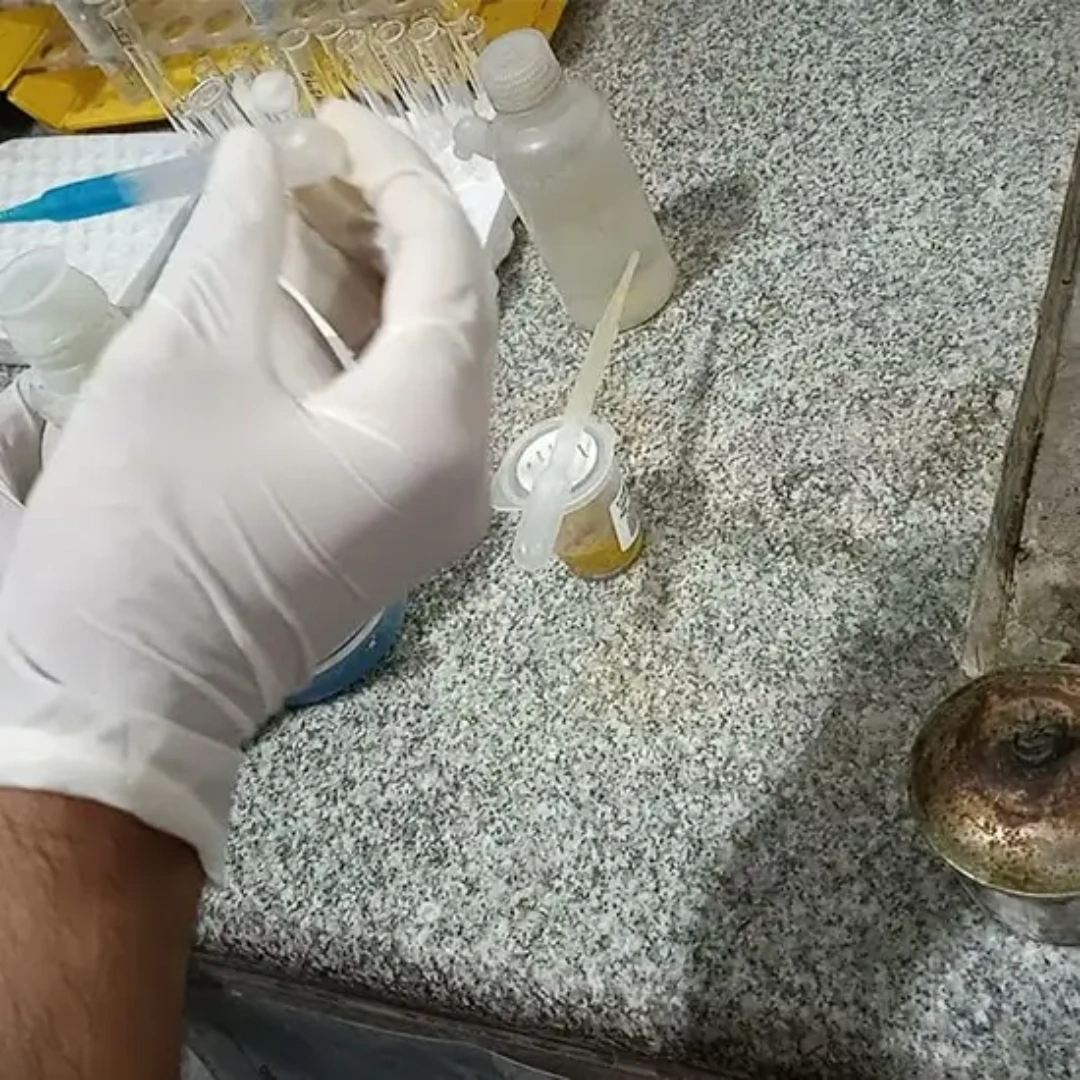
The Stool for Reducing Substances test checks for the presence of unabsorbed sugars (such as lactose, fructose, or glucose) in a stool sample. These sugars act as “reducing substances” and may indicate problems with carbohydrate digestion or absorption in the intestines. The test is especially useful in infants and young children with unexplained diarrhea or feeding difficulties.
Uses
This test is used to:
- Evaluate carbohydrate malabsorption, such as lactose intolerance or fructose malabsorption.
- Help diagnose congenital enzyme deficiencies (e.g., lactase, sucrase-isomaltase deficiency).
- Investigate causes of chronic diarrhea, especially in infants.
- Support the diagnosis of gastrointestinal disorders causing malabsorption.
- Monitor response to dietary modifications, such as lactose-free diets.
Symptoms / Conditions That May Lead to the Test
Doctors may recommend this test if you or your child have:
- Chronic or recurrent diarrhea.
- Abdominal bloating, cramping, or gas after eating certain foods.
- Failure to thrive or poor weight gain in infants and children.
- Unexplained irritability or feeding intolerance in babies.
- Family history of enzyme deficiencies or carbohydrate intolerance.
Abnormal Results
- Positive for Reducing Substances: Suggests carbohydrate malabsorption due to lactose intolerance, other sugar intolerances, or enzyme deficiencies. May also occur in intestinal infections or short bowel syndrome.
- Negative Result: Indicates normal carbohydrate absorption; diarrhea is likely due to other causes such as infections, allergies, or non-carbohydrate malabsorption.
Further tests such as stool pH, hydrogen breath test, or genetic testing may be recommended for confirmation.
Risks
The test only involves providing a stool sample. Risks are minimal but may include:
- Inconvenience in sample collection, especially for infants.
- Inaccurate results if the sample is contaminated or improperly stored.


Reviews
There are no reviews yet.