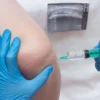
Synovial Fluid, Routine Examination
What it is
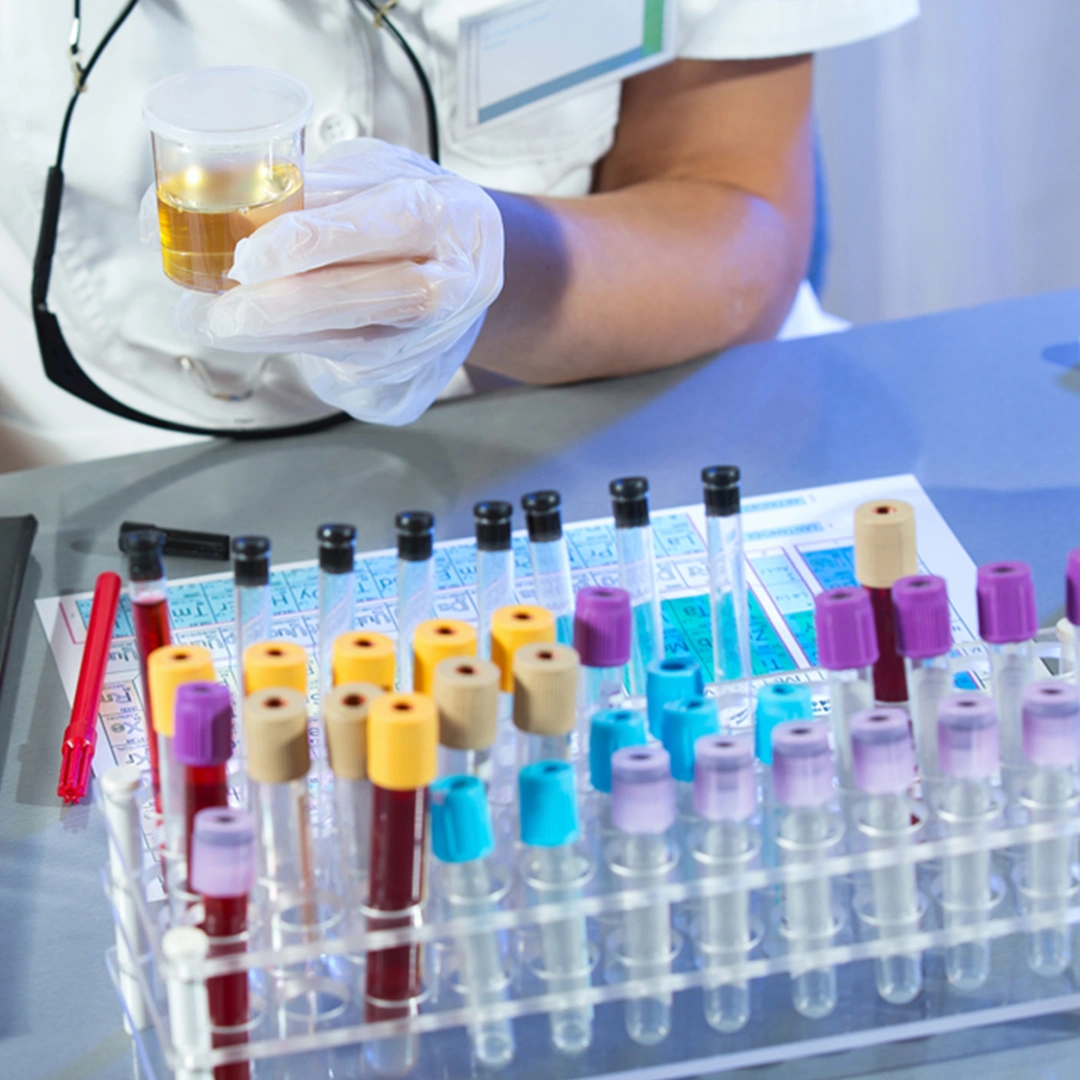
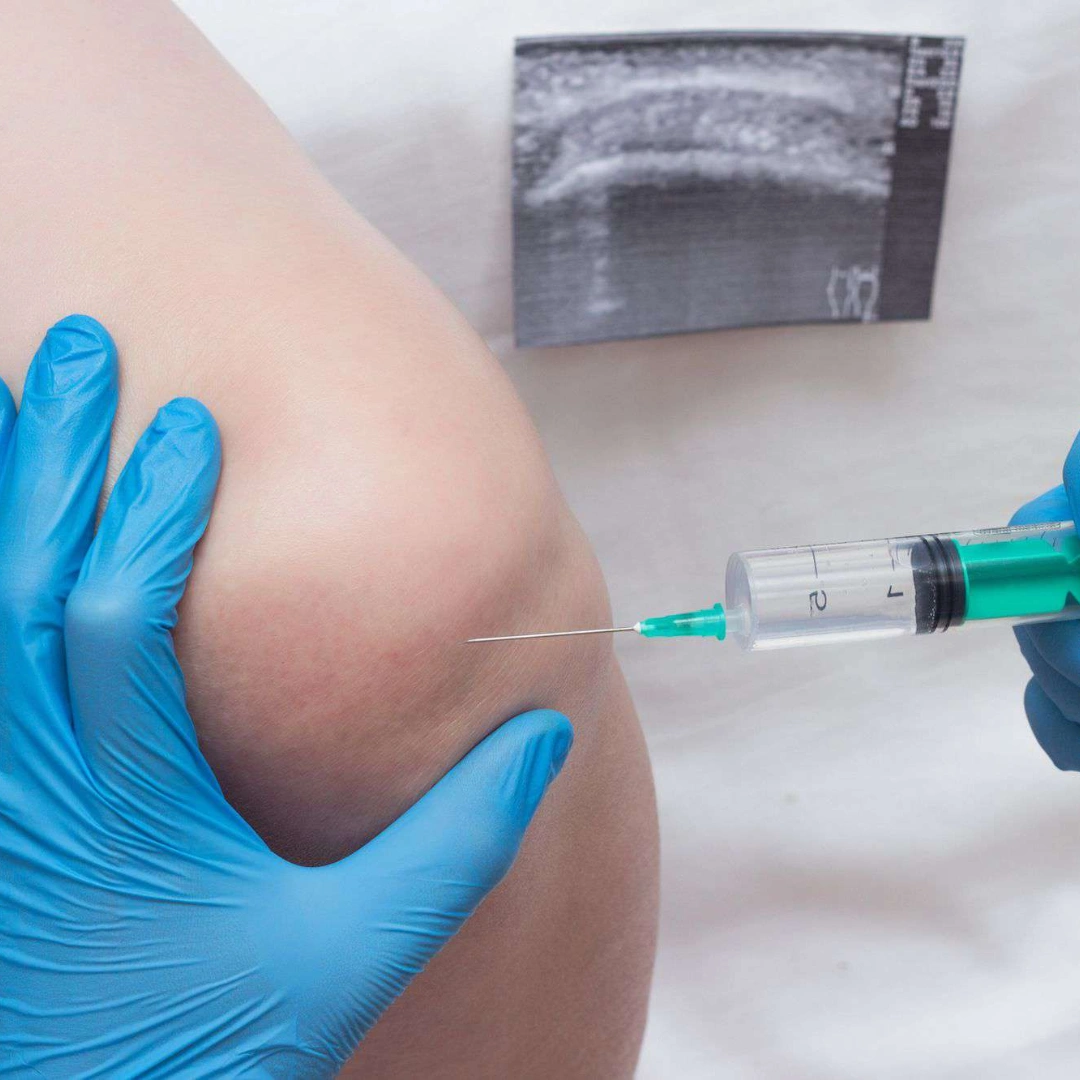
The Synovial Fluid, Routine Examination test analyzes the fluid present in joints (such as the knee, hip, or shoulder) to evaluate joint health and detect abnormalities. Synovial fluid acts as a lubricant and cushion in joints, and changes in its appearance, composition, or cell count can indicate inflammation, infection, trauma, or arthritis. The test usually includes physical, chemical, and microscopic examination of the fluid.
Uses
This test is used to:
- Differentiate between inflammatory and non-inflammatory joint conditions.
- Detect infections in the joint (septic arthritis).
- Identify crystals associated with gout or pseudogout.
- Assess causes of joint swelling, pain, or stiffness.
- Support diagnosis of autoimmune conditions like rheumatoid arthritis or lupus.
- Guide treatment decisions such as antibiotics or anti-inflammatory therapies.
Symptoms / Conditions That May Lead to the Test
Doctors may recommend this test if you have:
- Persistent joint pain or swelling.
- Redness, warmth, or tenderness around a joint.
- Restricted range of motion due to stiffness or fluid buildup.
- Unexplained joint effusion (fluid accumulation).
- Fever with painful, swollen joints (suggesting possible infection).
- History of gout, pseudogout, or autoimmune joint disease.
Abnormal Results
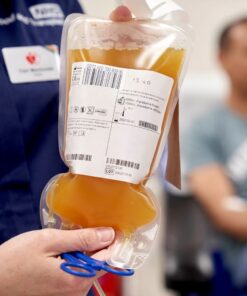
- Normal Synovial Fluid: Clear, pale yellow, viscous, and low in white blood cells.
- Inflammatory Changes: Cloudy fluid with increased white blood cells, suggesting rheumatoid arthritis, lupus, or gout.
- Infectious (Septic Arthritis): Purulent or opaque fluid with very high white blood cell count and bacteria present.
- Crystal Presence: Uric acid crystals (gout) or calcium pyrophosphate crystals (pseudogout).
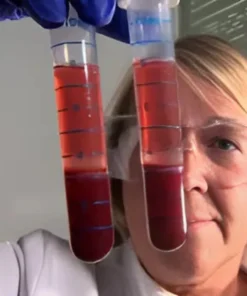
- Traumatic Injury: Presence of red blood cells, indicating bleeding into the joint (hemarthrosis).
Further tests like Gram stain, culture, and crystal analysis may be done for confirmation.
Risks
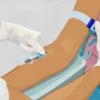
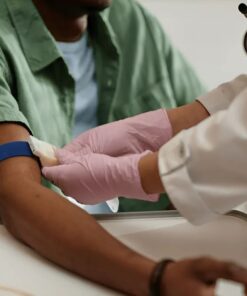
The risks are mainly related to the procedure of collecting synovial fluid (arthrocentesis), not the examination itself. Possible risks include:
- Mild pain or discomfort at the needle insertion site.
- Risk of joint infection (rare, if aseptic technique is followed).
- Minor bleeding or bruising around the joint.


Reviews
There are no reviews yet.