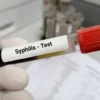
Syphilis Antibodies
What it is
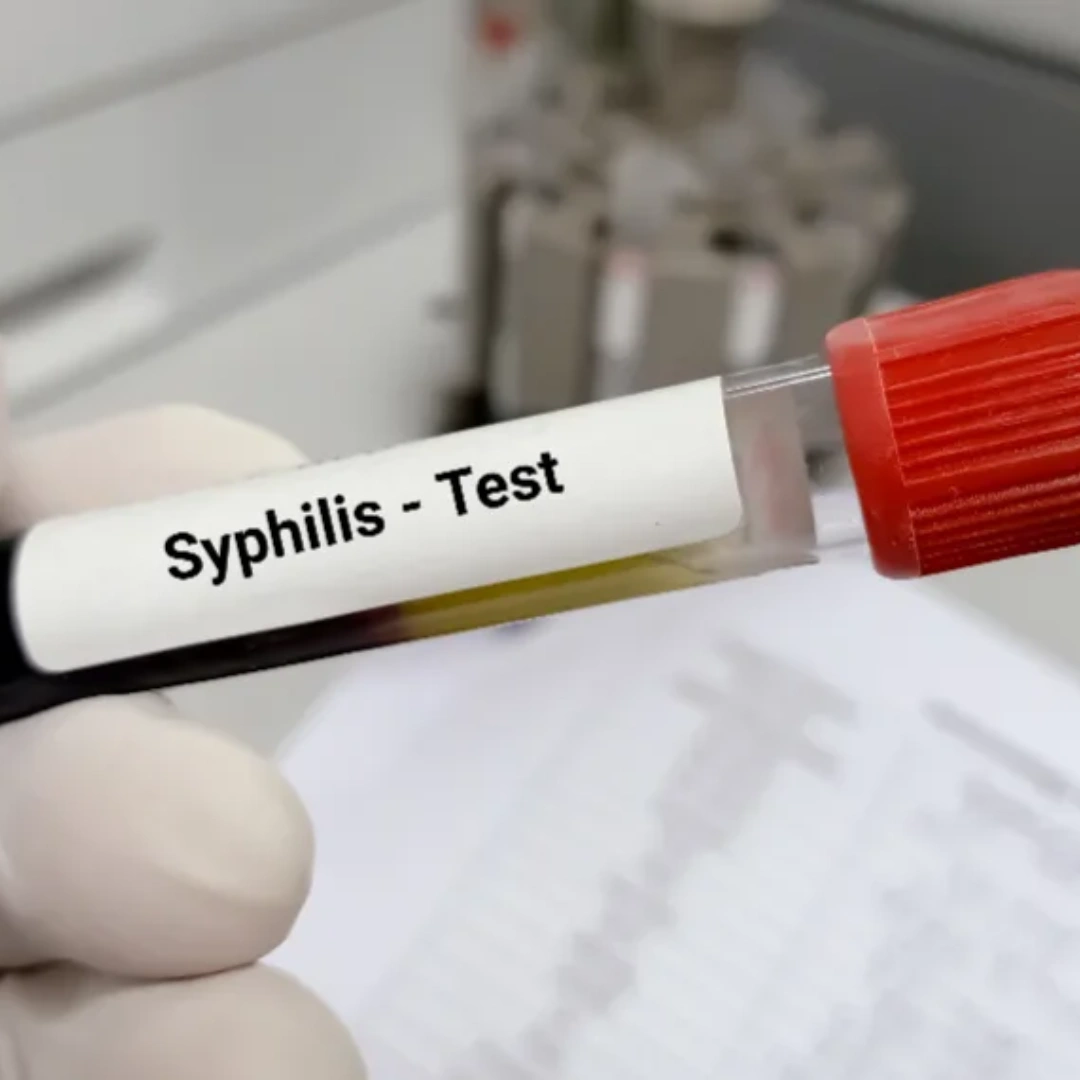
The Syphilis Antibodies test detects antibodies produced by the body in response to infection with Treponema pallidum, the bacteria that causes syphilis. Unlike rapid screening tests, this test specifically looks for treponemal antibodies, which remain in the blood for life, even after treatment. It helps confirm both current and past infections.
Uses
This test is used to:
- Screen for syphilis in individuals at risk or during routine check-ups (e.g., pregnancy).
- Confirm infection after a positive non-treponemal test (e.g., VDRL, RPR).
- Support diagnosis of syphilis in people with suggestive symptoms.
- Identify past syphilis infection, even if successfully treated.
- Assist in blood donor screening and sexually transmitted infection (STI) testing programs.
Symptoms / Conditions That May Lead to the Test
Doctors may recommend this test if you have:
- Painless sores (chancres) on the genitals, mouth, or rectum.
- Rashes on the body, especially on palms or soles.
- Swollen lymph nodes, fever, or malaise.
- Neurological symptoms (vision changes, memory problems, nerve pain) in late syphilis.
- A sexual partner diagnosed with syphilis.
- Routine pregnancy screening requirements.
Abnormal Results
- Positive Result: Indicates current or past infection with syphilis. Since antibodies remain even after treatment, further tests (like RPR or VDRL) are needed to assess disease activity and treatment response.
- Negative Result: Suggests no detectable syphilis antibodies. However, very early infection may not yet produce antibodies, so repeat testing may be required if exposure is suspected.
Results are often interpreted alongside non-treponemal tests for staging and monitoring treatment response.
Risks
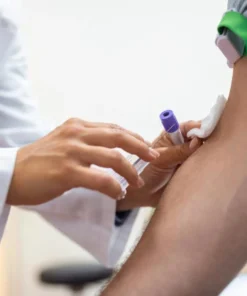
The test requires a blood sample and carries minimal risks, including:
- Mild pain, bruising, or discomfort at the puncture site.
- Rare risk of infection or dizziness after blood draw.


Reviews
There are no reviews yet.