Tacrolimus
What it is
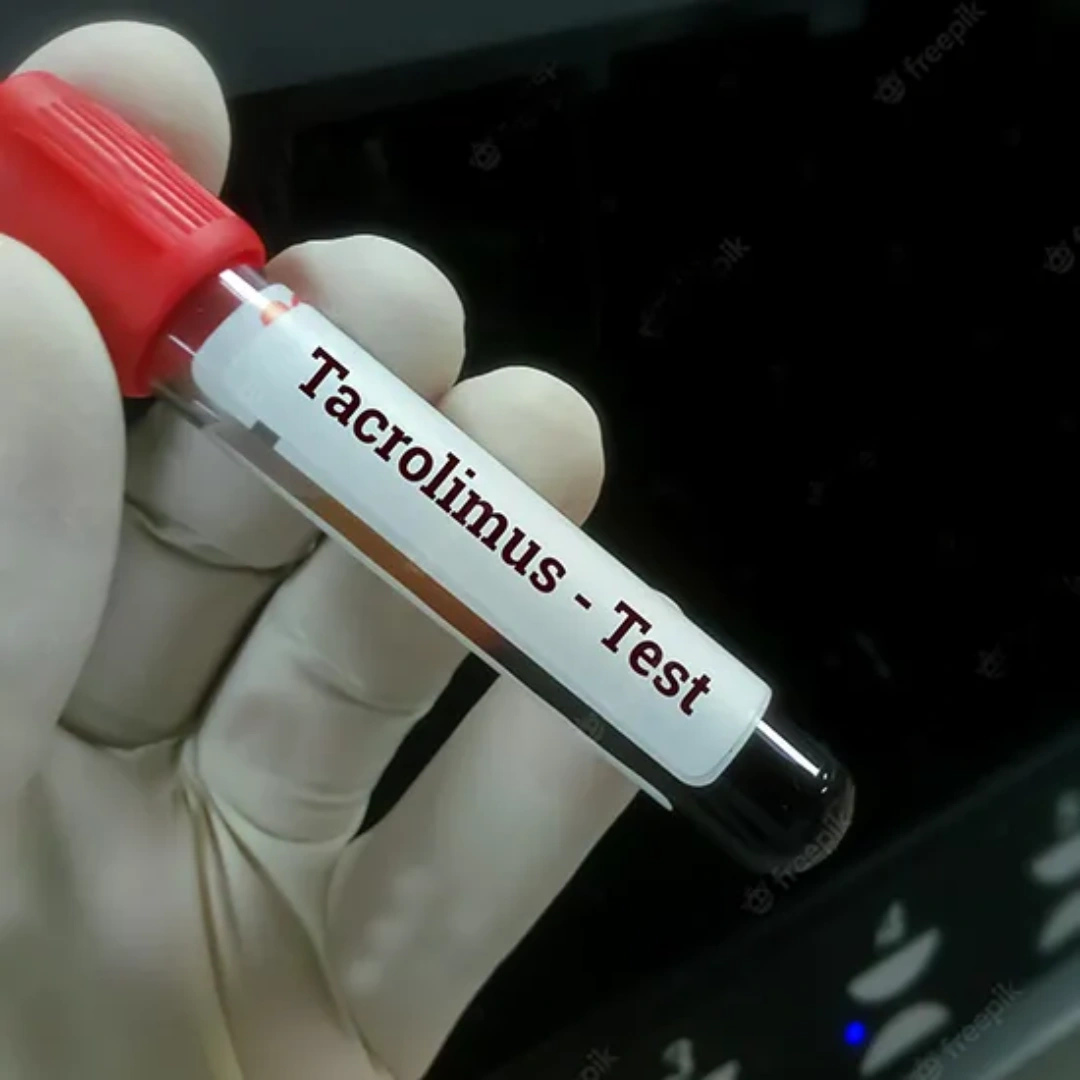
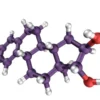
The Tacrolimus test measures the level of tacrolimus, an immunosuppressive drug, in the blood. Tacrolimus is commonly prescribed to patients who have undergone organ transplantation (such as kidney, liver, or heart) to prevent rejection. Because the drug has a narrow therapeutic range, regular monitoring is essential to ensure effectiveness while avoiding toxicity.
Uses
This test is used to:
- Monitor tacrolimus blood levels in transplant patients.
- Adjust medication dosage to maintain therapeutic levels.
- Prevent organ rejection by ensuring adequate immunosuppression.
- Reduce the risk of drug toxicity from excessive tacrolimus levels.
- Evaluate adherence to treatment in patients on long-term immunosuppressive therapy.
Symptoms / Conditions That May Lead to the Test
Doctors may order this test if you have:
- Undergone organ transplantation (kidney, liver, heart, lung, etc.).
- Signs of organ rejection such as fever, swelling, or reduced organ function.
- Symptoms of tacrolimus toxicity including tremors, high blood pressure, kidney dysfunction, or neurological problems.
- Unexplained fluctuations in organ function tests (e.g., creatinine, liver enzymes).
- Possible drug interactions affecting tacrolimus metabolism.
Abnormal Results
- High Tacrolimus Levels: May cause toxicity leading to kidney damage, tremors, headaches, seizures, high blood pressure, or increased risk of infections.
- Low Tacrolimus Levels: May reduce drug effectiveness and increase the risk of organ rejection.
Target ranges depend on the type of transplant, time since surgery, and individual patient needs. Results are always interpreted alongside clinical findings.
Risks
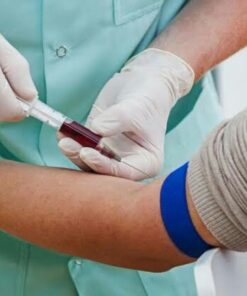
The test requires a blood sample and carries minimal risks, such as:
- Mild pain or bruising at the puncture site.
- Rare risk of infection or dizziness after blood draw.


Reviews
There are no reviews yet.