TB-Feron, Interferon Gamma Release Assay (IGRA), Blood
What it is
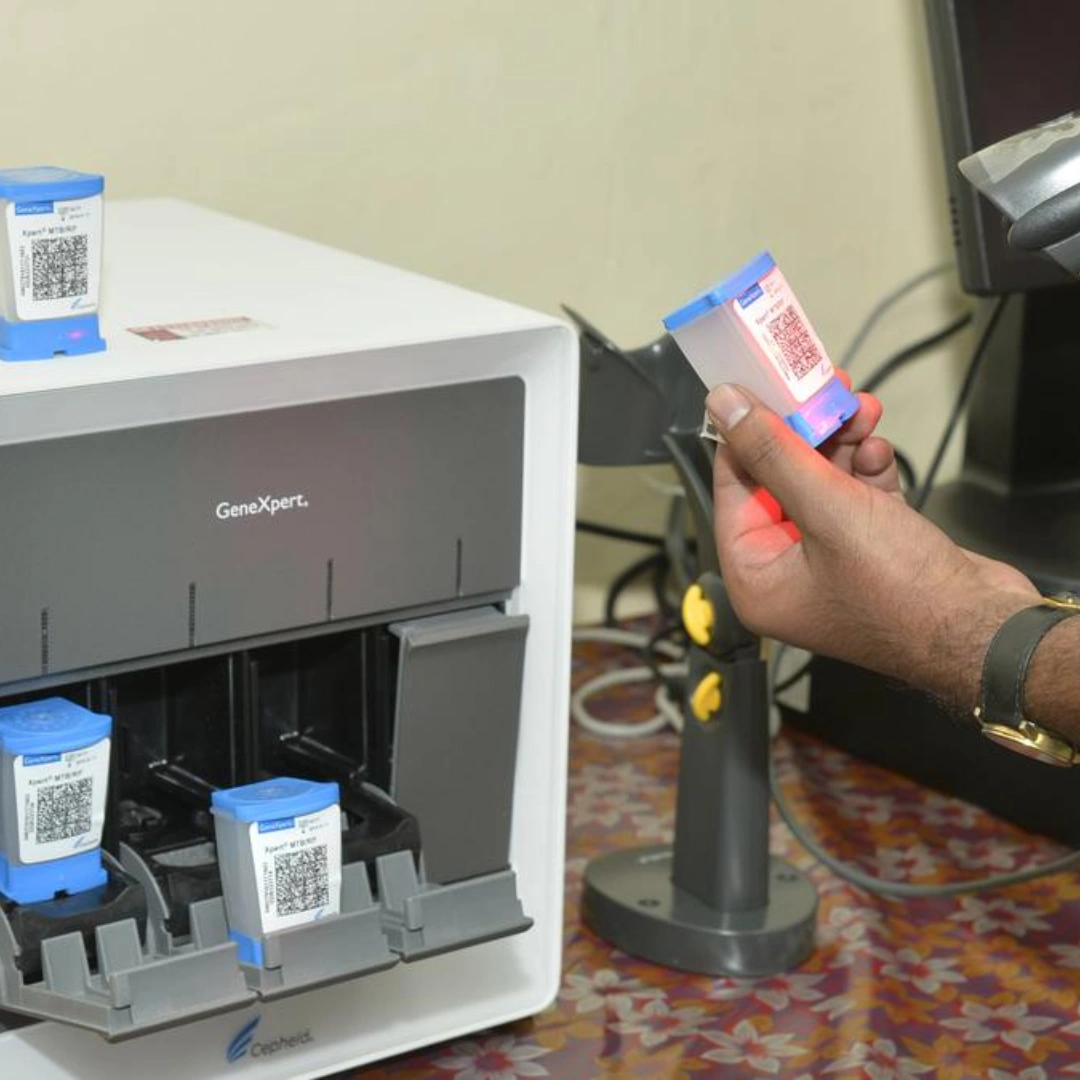
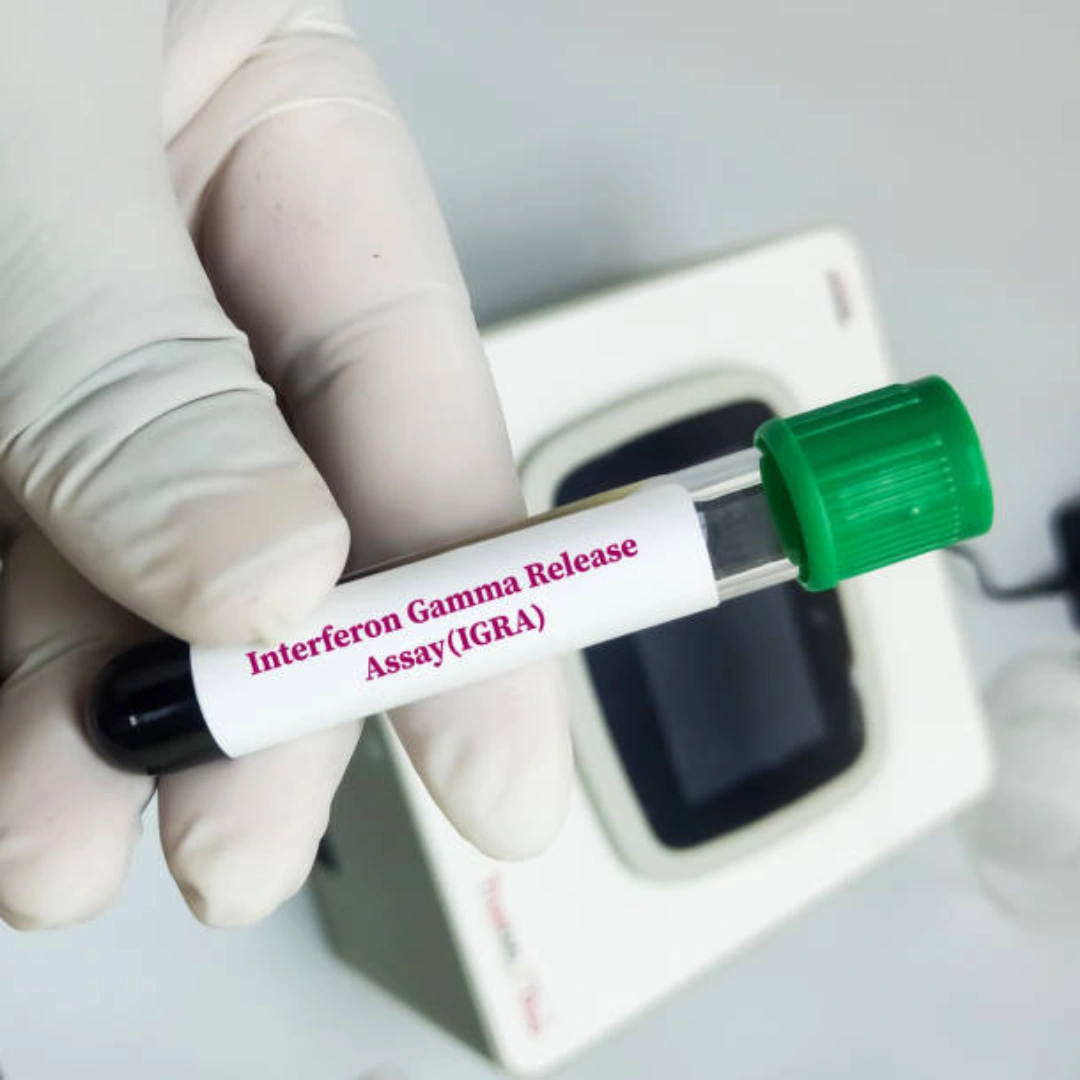
The TB-Feron, Interferon Gamma Release Assay (IGRA) is a blood test used to detect latent or active tuberculosis (TB) infection. It works by measuring the immune system’s release of interferon-gamma (IFN-γ) when blood cells are exposed to Mycobacterium tuberculosis antigens. Unlike the traditional Mantoux tuberculin skin test, IGRA does not cross-react with the BCG vaccine, making it more specific.
Uses
This test is used to diagnose latent TB infection (LTBI) and to support the evaluation of suspected active TB, especially in individuals with a history of BCG vaccination. It is commonly ordered for healthcare workers, people exposed to TB patients, immunocompromised individuals, and those preparing for organ transplant or immunosuppressive therapy.
Symptoms That May Lead to the Test
Although IGRA is often performed as a screening tool (even without symptoms), doctors may recommend it if you have been in close contact with someone with TB or if you have symptoms such as persistent cough lasting more than 2–3 weeks, unexplained weight loss, night sweats, prolonged fever, fatigue, or coughing up blood (hemoptysis).
Abnormal Results
Positive IGRA: Indicates likely infection with Mycobacterium tuberculosis. Additional tests (chest X-ray, sputum culture) are required to distinguish between latent and active TB.
Negative IGRA: Suggests no evidence of TB infection. However, a false negative may occur in people with weakened immune systems (e.g., HIV/AIDS, chemotherapy patients) or in very early infection.
Indeterminate/Borderline Result: May indicate technical issues, insufficient immune response, or the need for repeat testing.
Risks
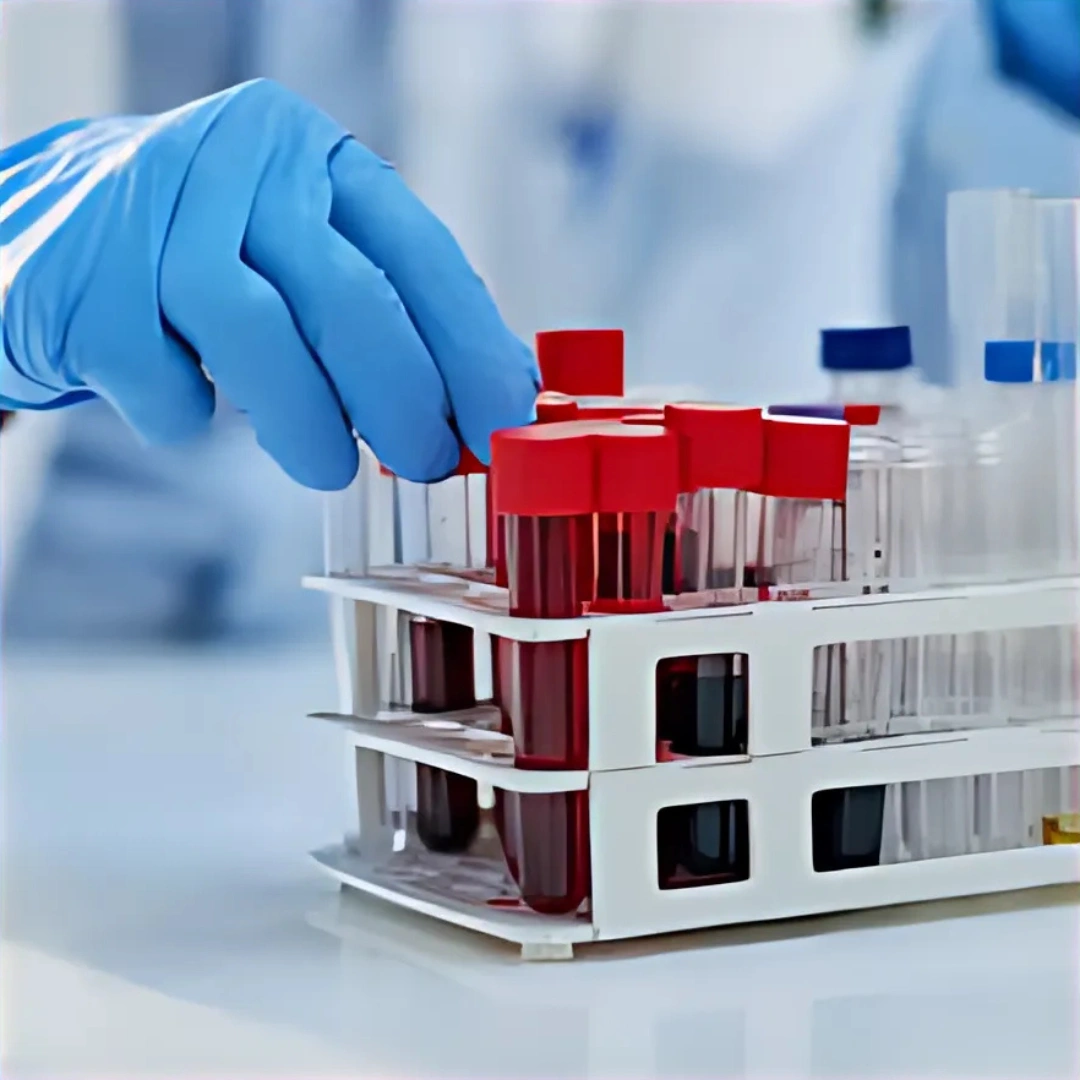
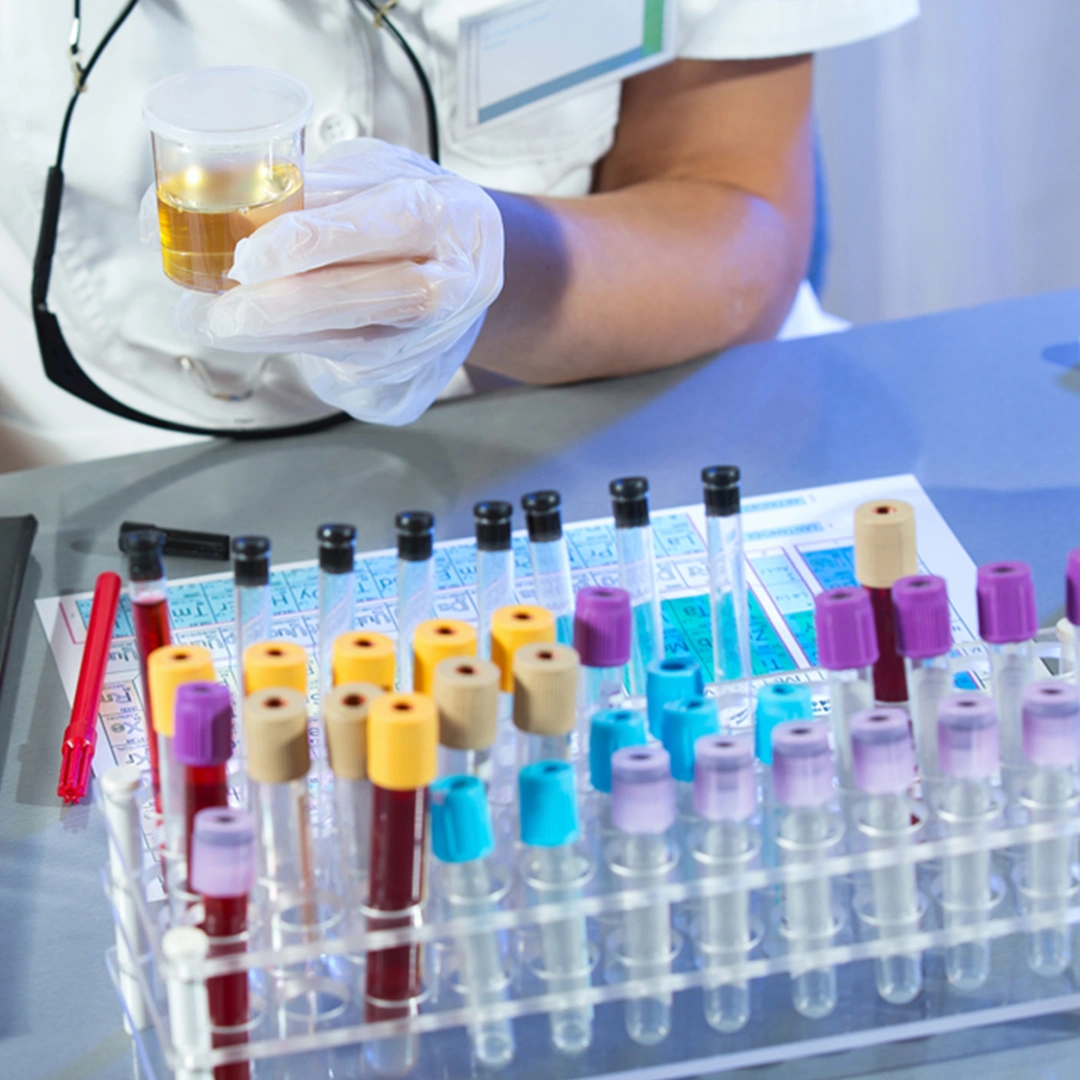
The test requires a standard blood draw, with minimal risks such as slight pain, bruising, or dizziness at the puncture site. These effects are usually temporary and mild.


Reviews
There are no reviews yet.