Testosterone Free, Serum
What it is
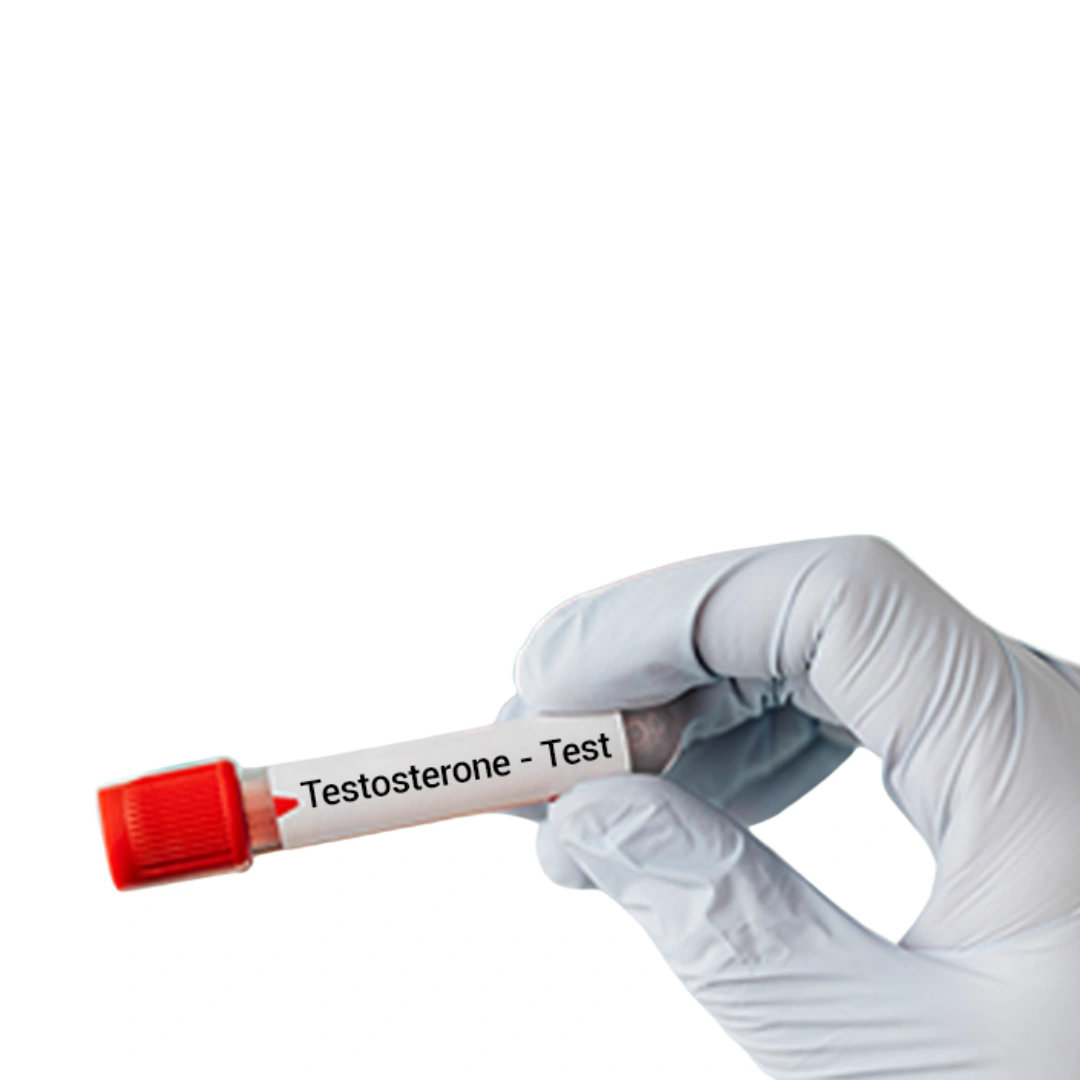
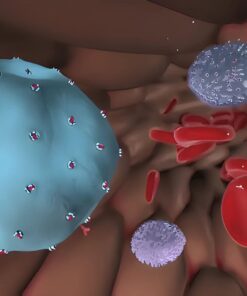
The Testosterone Free, Serum test measures the fraction of testosterone in the blood that is not bound to proteins such as sex hormone-binding globulin (SHBG) or albumin. This “free” testosterone is biologically active and directly available to body tissues. It is often considered a more accurate reflection of hormone activity than total testosterone, especially in cases where SHBG levels are abnormal.
Uses
This test is used to evaluate disorders related to androgen imbalance in both men and women. It helps in diagnosing hypogonadism, infertility, erectile dysfunction, delayed or precocious puberty, and unexplained fatigue in men. In women, it is often used to investigate symptoms of polycystic ovary syndrome (PCOS), hirsutism, irregular menstrual cycles, and infertility. It may also be ordered alongside total testosterone for a comprehensive hormonal evaluation.
Symptoms That May Lead to the Test
Doctors may recommend this test if you experience symptoms such as reduced libido, erectile dysfunction, infertility, decreased muscle mass, fatigue, or osteoporosis in men. In women, it may be ordered if you have irregular menstrual periods, excessive hair growth, acne, infertility, or deepening of the voice.
Abnormal Results
Low Free Testosterone: Suggests hypogonadism, pituitary or hypothalamic disorders, chronic illness, or medication effects. In men, this can cause infertility, loss of libido, and low bone density. In women, low levels may affect sexual health and fertility.
High Free Testosterone: In men, may result from anabolic steroid use or androgen-secreting tumors. In women, elevated levels are commonly linked with PCOS, adrenal hyperplasia, or ovarian/adrenal tumors.
Risks
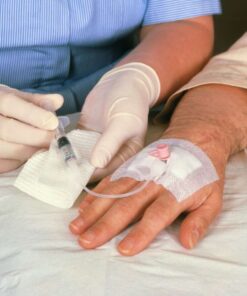
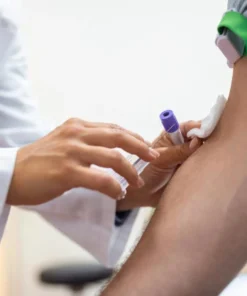
The test requires a routine blood sample. Risks are minimal and include mild pain, bruising, or dizziness at the puncture site. These effects are short-lived and rarely serious.


Reviews
There are no reviews yet.