Thalassemia Profile
What it is
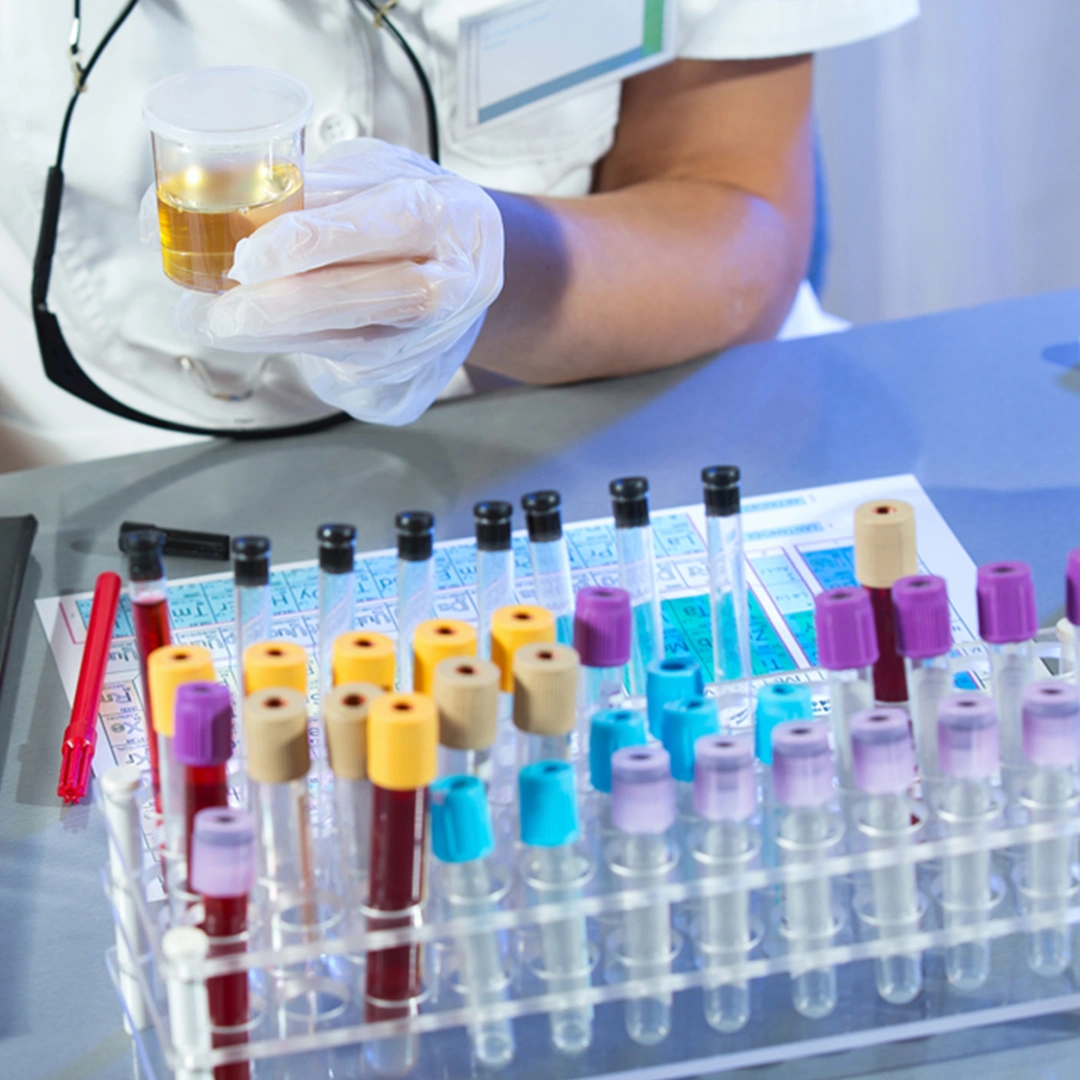
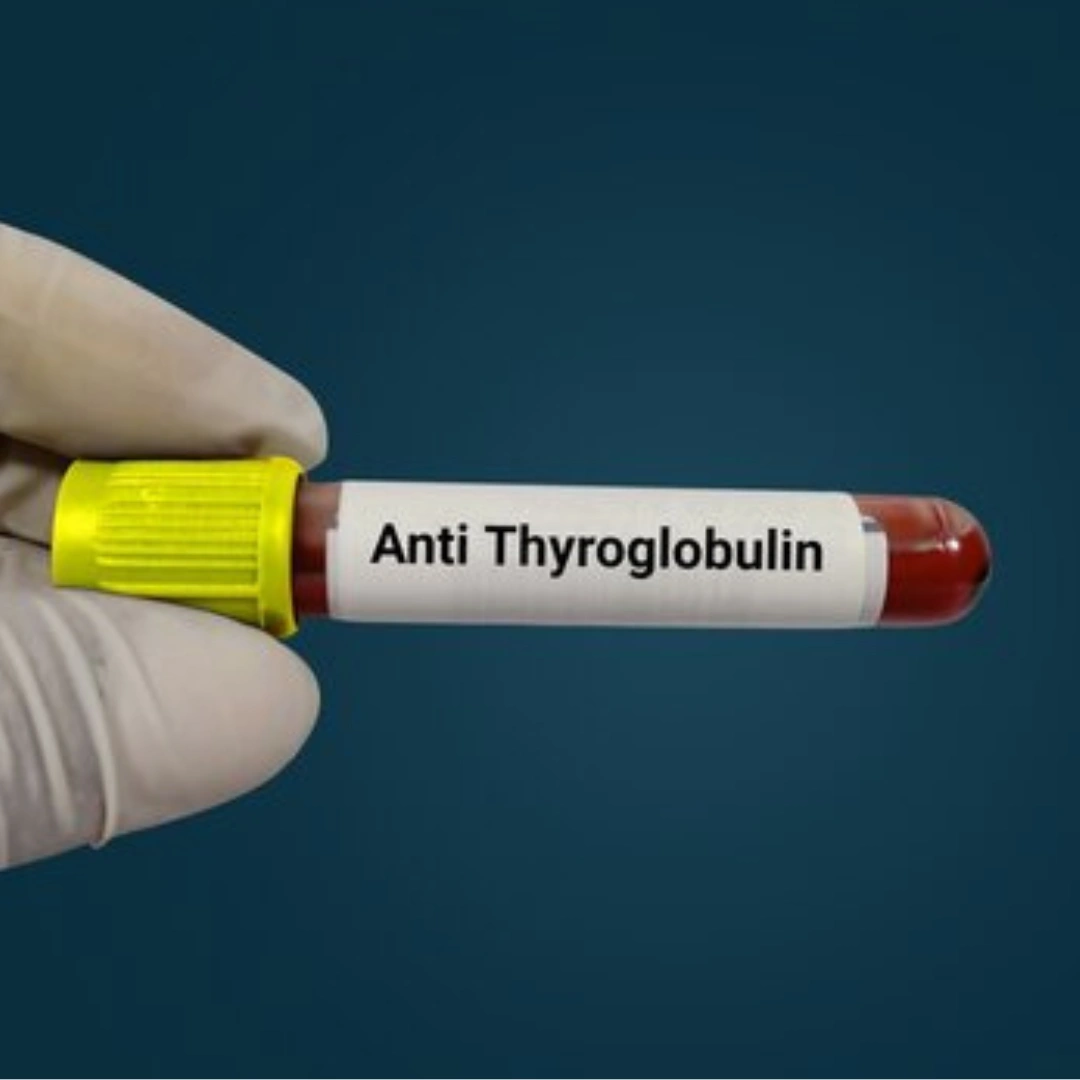
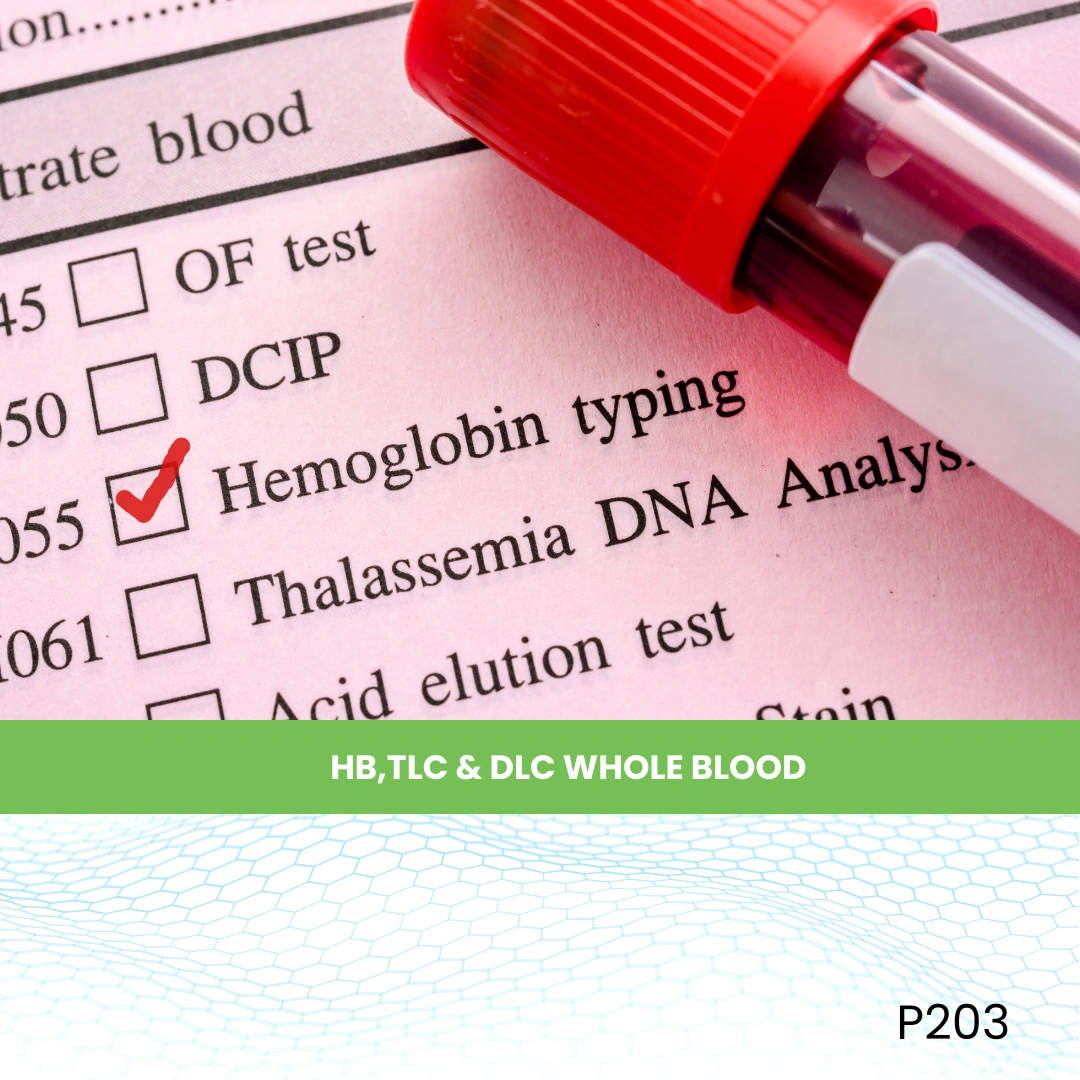
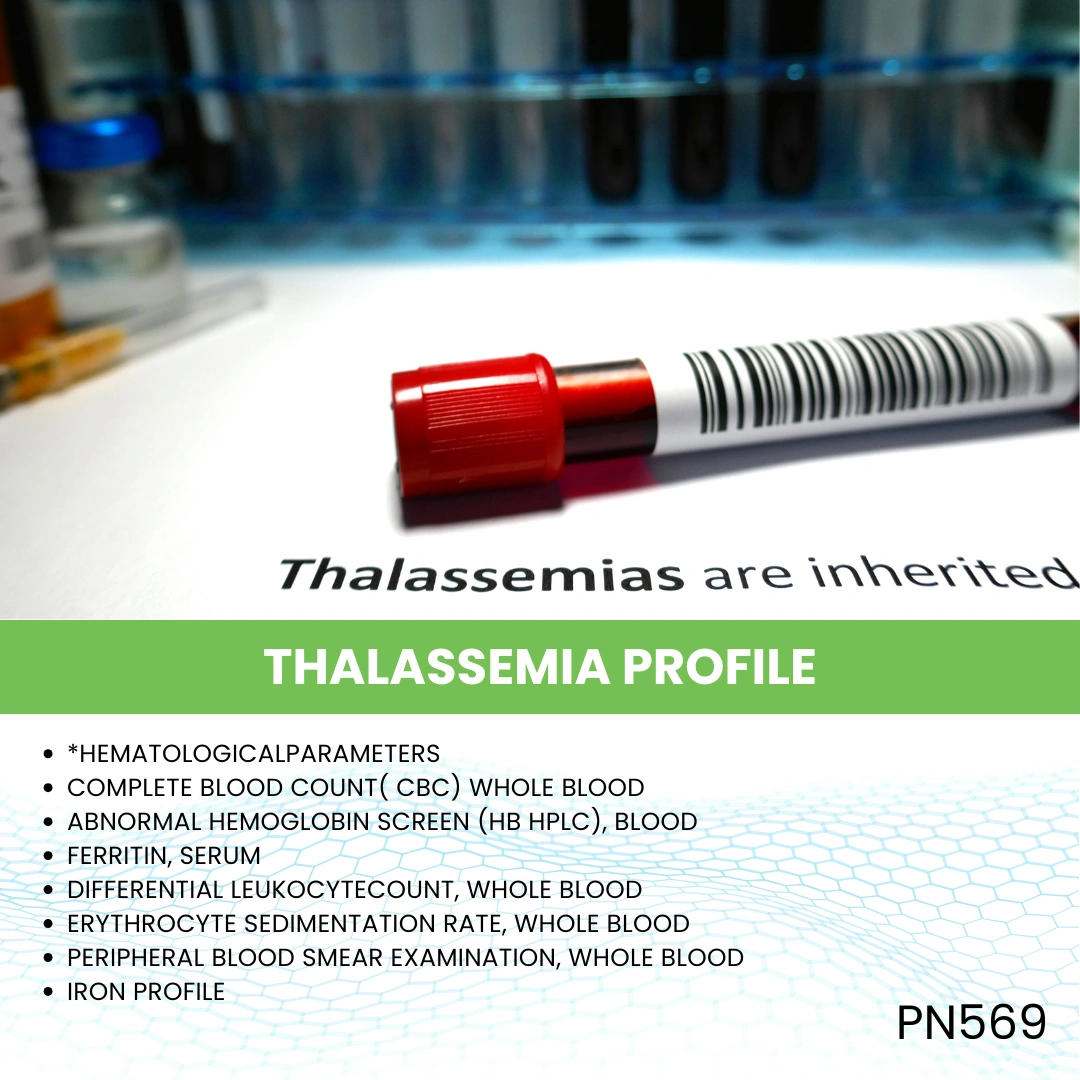
The Thalassemia Profile is a blood test panel designed to screen for and diagnose thalassemia, a group of inherited blood disorders that affect hemoglobin production. The profile usually includes complete blood count (CBC), red blood cell indices (MCV, MCH), peripheral smear, and hemoglobin electrophoresis (HbA, HbA2, HbF levels). In some cases, additional tests such as HPLC or genetic studies may be included.
Uses
This test is used to identify carriers of thalassemia (thalassemia trait), diagnose thalassemia major and intermedia, and differentiate thalassemia from other causes of anemia such as iron deficiency. It is also widely used in premarital and prenatal screening programs to detect carrier status and prevent severe thalassemia in children.
Symptoms That May Lead to the Test
Doctors may recommend this test if you show symptoms of chronic anemia such as fatigue, weakness, pallor, poor growth in children, bone deformities, or an enlarged spleen. It may also be ordered when a routine blood test shows microcytic anemia (low MCV and MCH values) or when there is a family history of thalassemia.
Abnormal Results
Thalassemia Trait (Carrier State): Mild anemia with elevated HbA2 or HbF on hemoglobin electrophoresis; carriers are often asymptomatic but can pass the condition to their children.
Thalassemia Major/Intermedia: Severe anemia, abnormal hemoglobin pattern with very low or absent HbA, elevated HbF, and need for regular transfusions in major cases.
Normal Results: Rule out thalassemia; however, additional genetic studies may be required in borderline or inconclusive cases.
Risks
The test requires a standard blood sample. Risks are minimal and include mild pain, bruising, or temporary dizziness at the puncture site. These effects are rare and usually short-lived.


Reviews
There are no reviews yet.