Theophylline
What it is
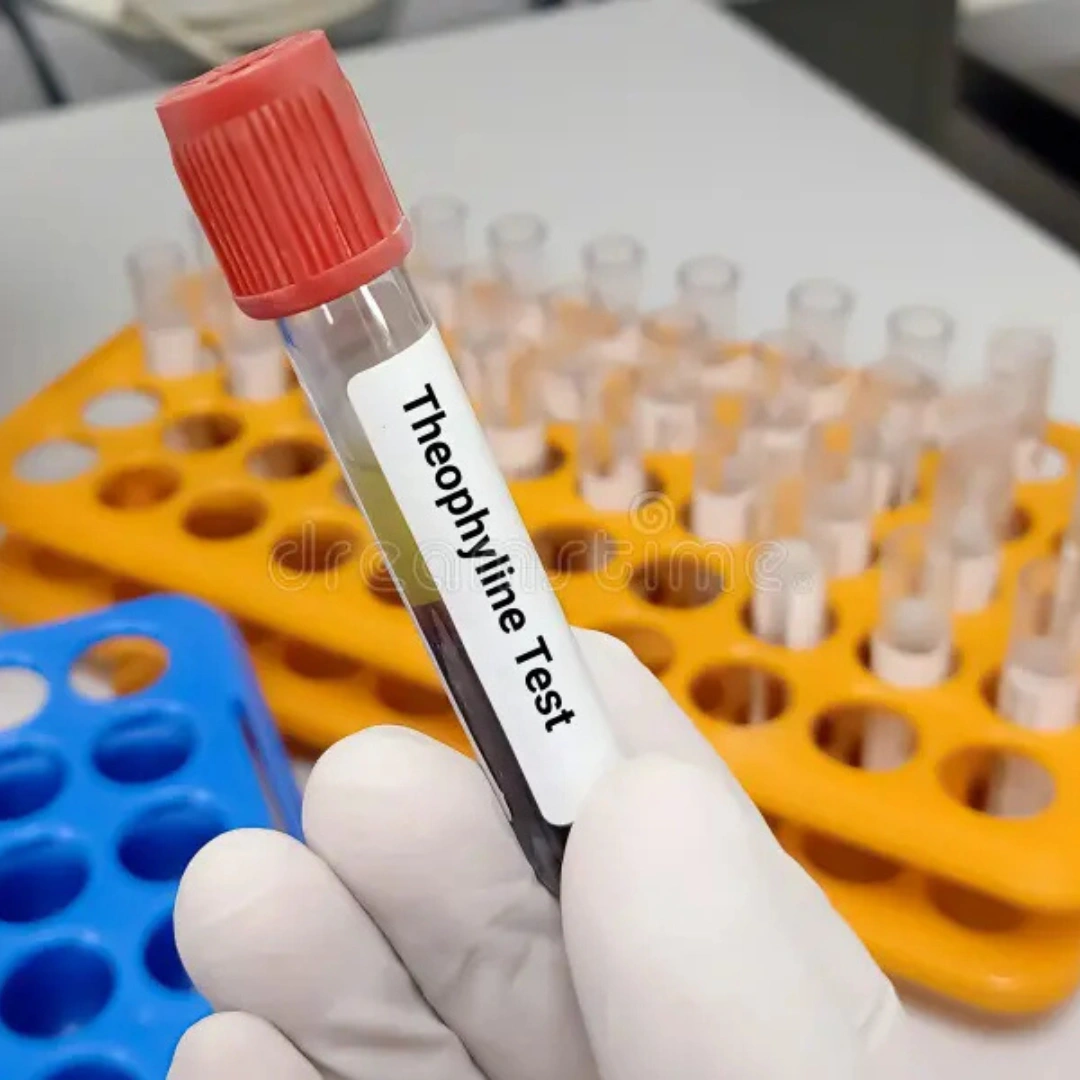
The Theophylline test measures the concentration of theophylline in the blood. Theophylline is a bronchodilator drug used in the management of asthma, chronic obstructive pulmonary disease (COPD), and other respiratory conditions. Because the therapeutic window is narrow, regular monitoring is important to ensure the drug is effective without reaching toxic levels.
Uses
This test is primarily used to monitor patients receiving theophylline therapy. It ensures that the drug remains within the therapeutic range and helps guide dosage adjustments. It is also used to detect toxic levels in cases of suspected overdose or drug interactions.
Symptoms That May Lead to the Test
Doctors may order this test if you are on theophylline therapy or if you show signs of toxicity, such as nausea, vomiting, tremors, restlessness, insomnia, irregular heartbeat, or seizures. It may also be requested when asthma or COPD symptoms are not well controlled despite theophylline use.
Abnormal Results
Low Levels: Suggest inadequate dosage or poor absorption, leading to reduced therapeutic effect.
Therapeutic Range: Indicates effective drug concentration, generally between 10–20 mcg/mL (may vary depending on guidelines and patient condition).
High Levels: Indicate potential toxicity, which can cause serious complications including cardiac arrhythmias, seizures, and hypotension.
Risks
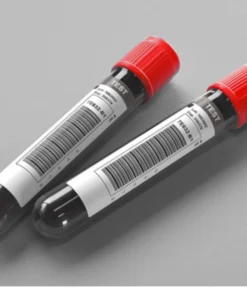
The test involves a routine blood draw with minimal risks, such as slight bruising, mild pain, or dizziness at the puncture site. These effects are temporary and generally not serious.


Reviews
There are no reviews yet.