Thyroxine Binding Globulin (TBG)
What it is
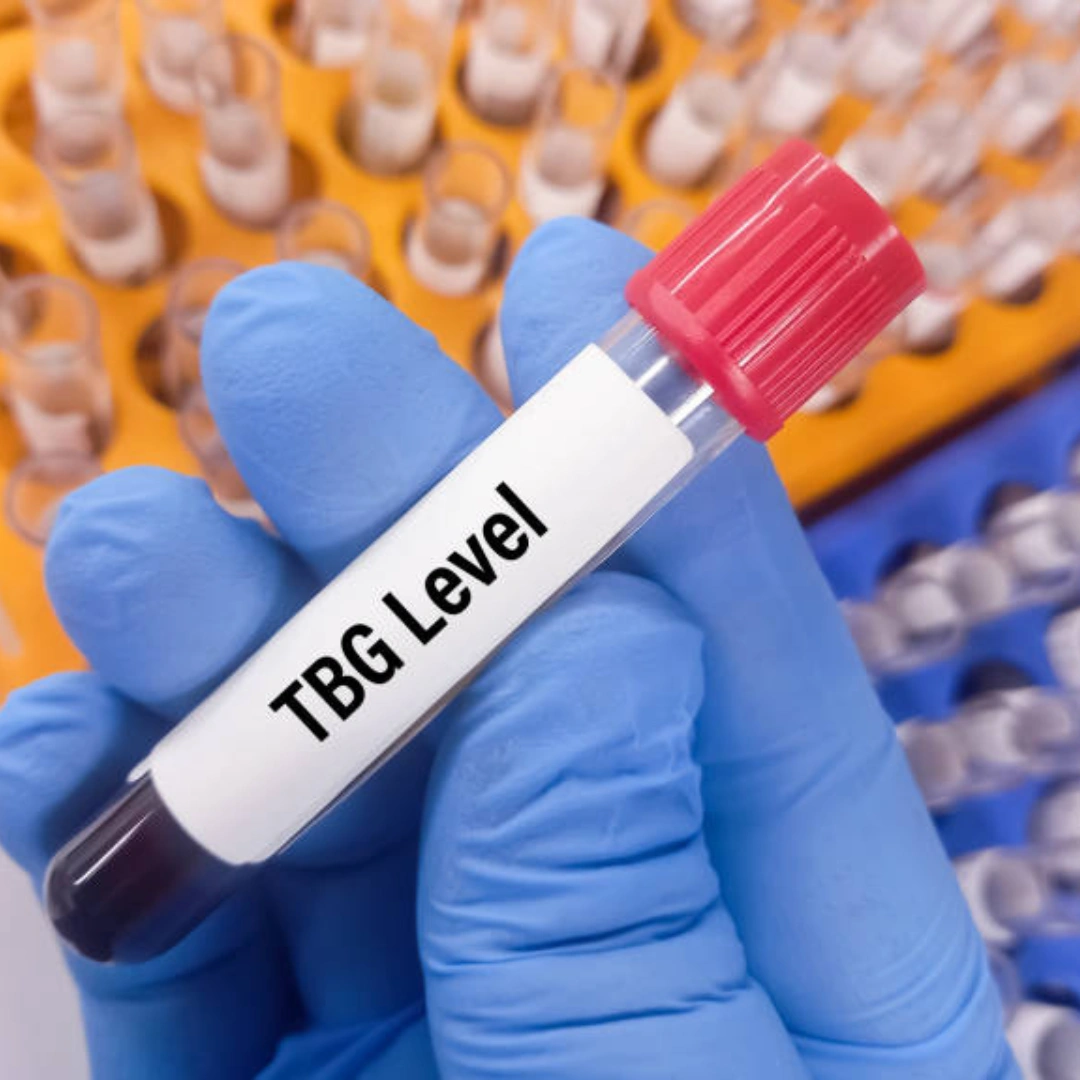
The Thyroxine Binding Globulin (TBG) test measures the level of TBG, a protein made by the liver that binds and transports thyroid hormones (T4 and T3) in the bloodstream. While most thyroid hormones are protein-bound and inactive, only the unbound “free” fraction is biologically active. Abnormal TBG levels can affect total thyroid hormone levels without altering free hormone activity.
Uses
This test is used to evaluate unexplained changes in total thyroid hormone levels and to distinguish between true thyroid dysfunction and variations caused by abnormal binding protein levels. It may be ordered alongside tests for TSH, free T4, and total T4. TBG measurement is especially useful in suspected cases of inherited TBG abnormalities, liver disease, pregnancy-related hormone changes, or drug-induced alterations.
Symptoms That May Lead to the Test
Doctors may recommend a TBG test if you have abnormal thyroid test results that don’t match your symptoms, such as high total T4 with normal free T4 and TSH. It may also be considered in cases of suspected genetic TBG deficiency or excess, unexplained goiter, or when evaluating the effects of medications such as estrogen, corticosteroids, or androgens.
Abnormal Results
High TBG Levels: May be seen in pregnancy, estrogen therapy, oral contraceptive use, liver disease, or genetic TBG excess. This can cause elevated total T4 levels while free T4 remains normal.
Low TBG Levels: May occur in androgen therapy, nephrotic syndrome, major illness, or inherited TBG deficiency. This can cause low total T4 levels but normal free T4 levels.
Abnormal results must be interpreted in combination with free thyroid hormone and TSH levels to avoid misdiagnosis of thyroid disease.
Risks
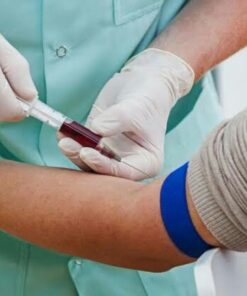
The test requires a standard blood draw. Risks are minimal and may include mild pain, bruising, or temporary dizziness at the puncture site. There are no long-term complications.


Reviews
There are no reviews yet.