Thyroxine (T4), Serum
What it is
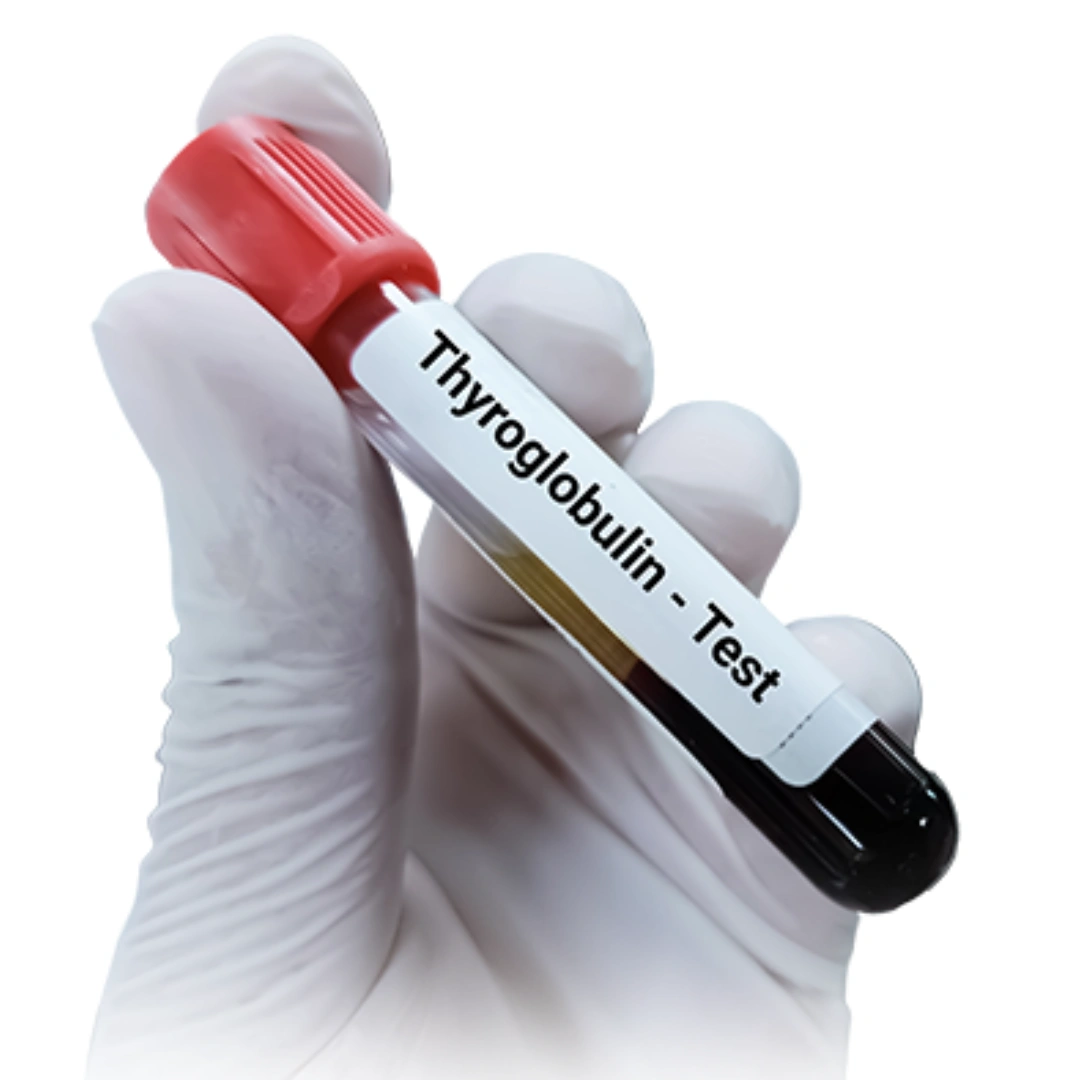
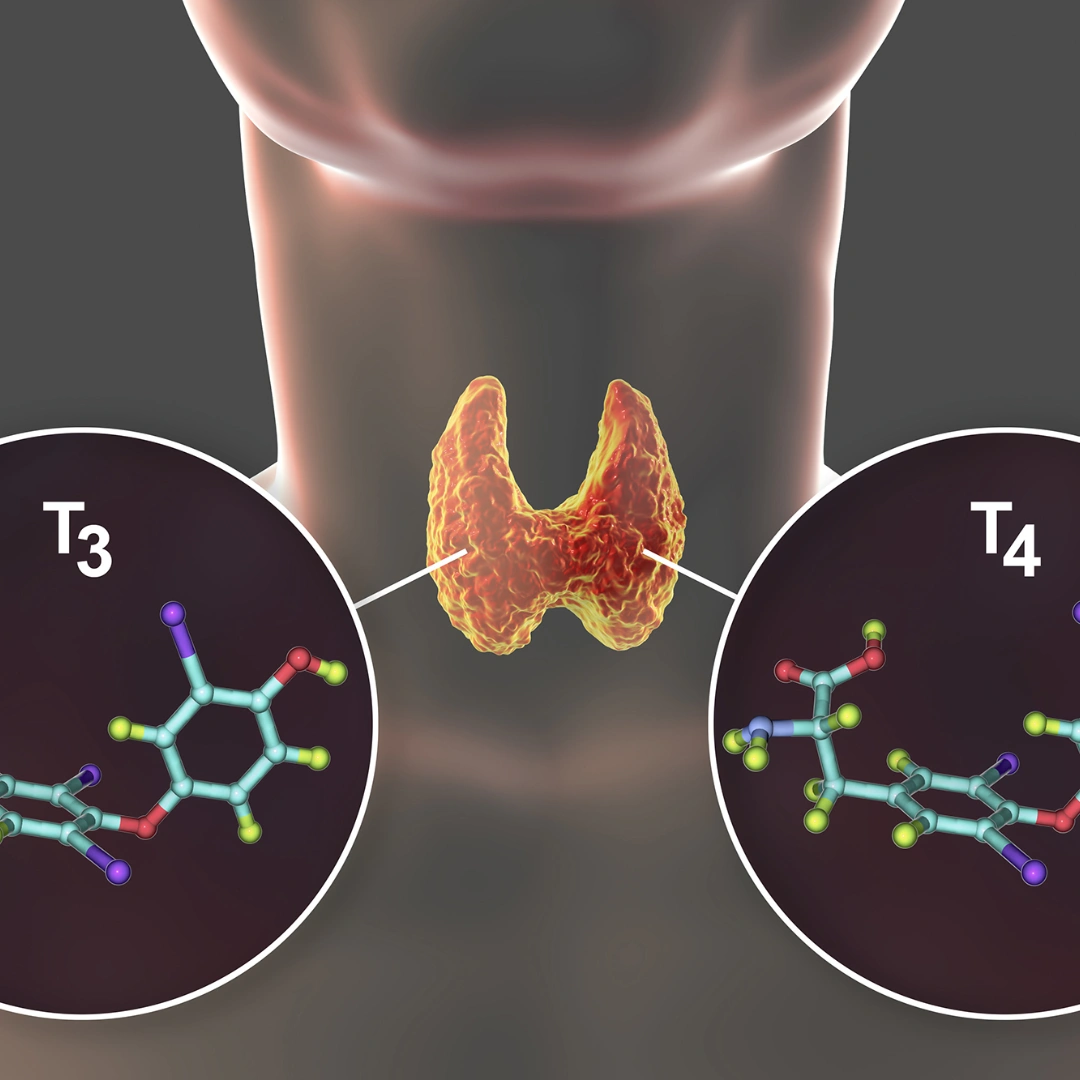
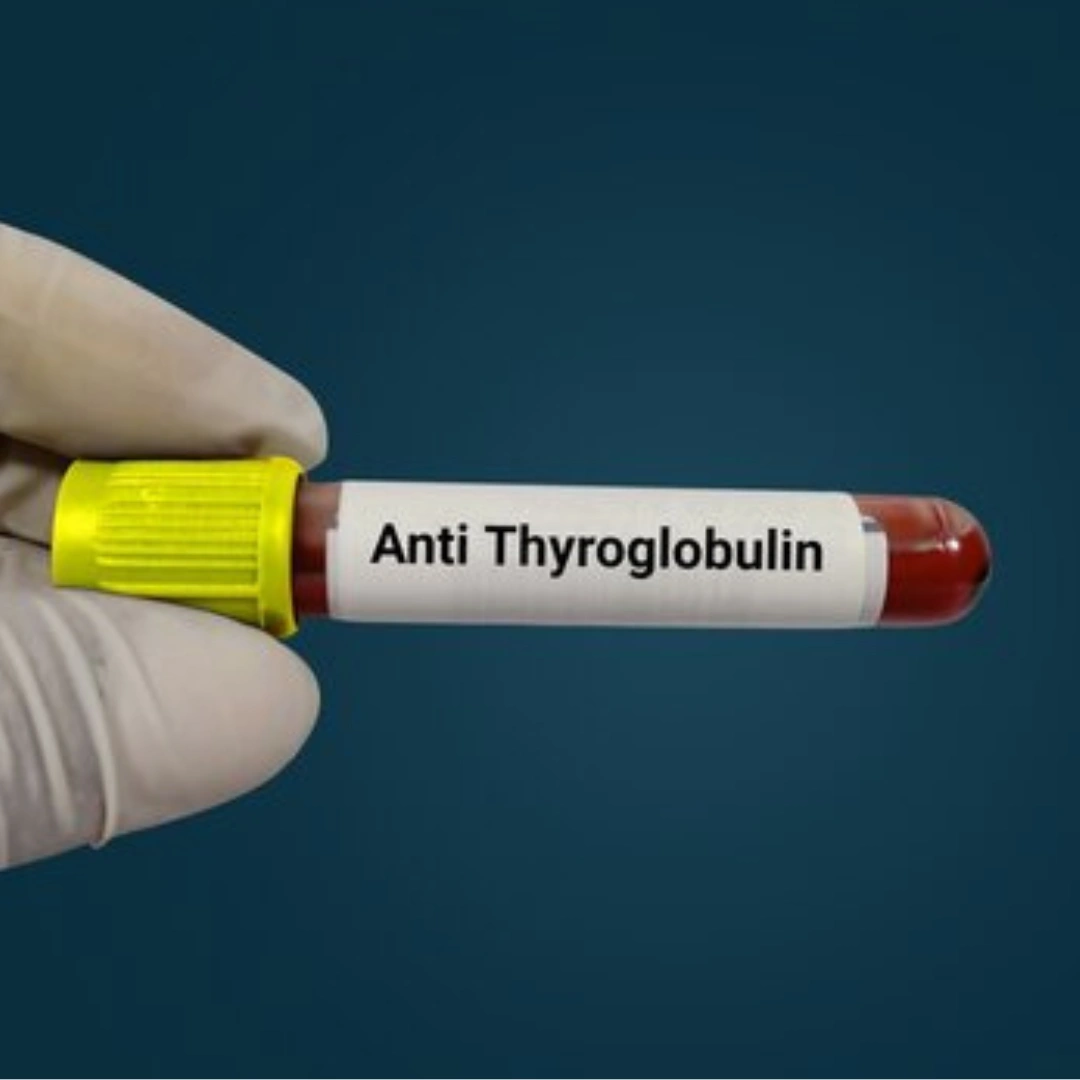
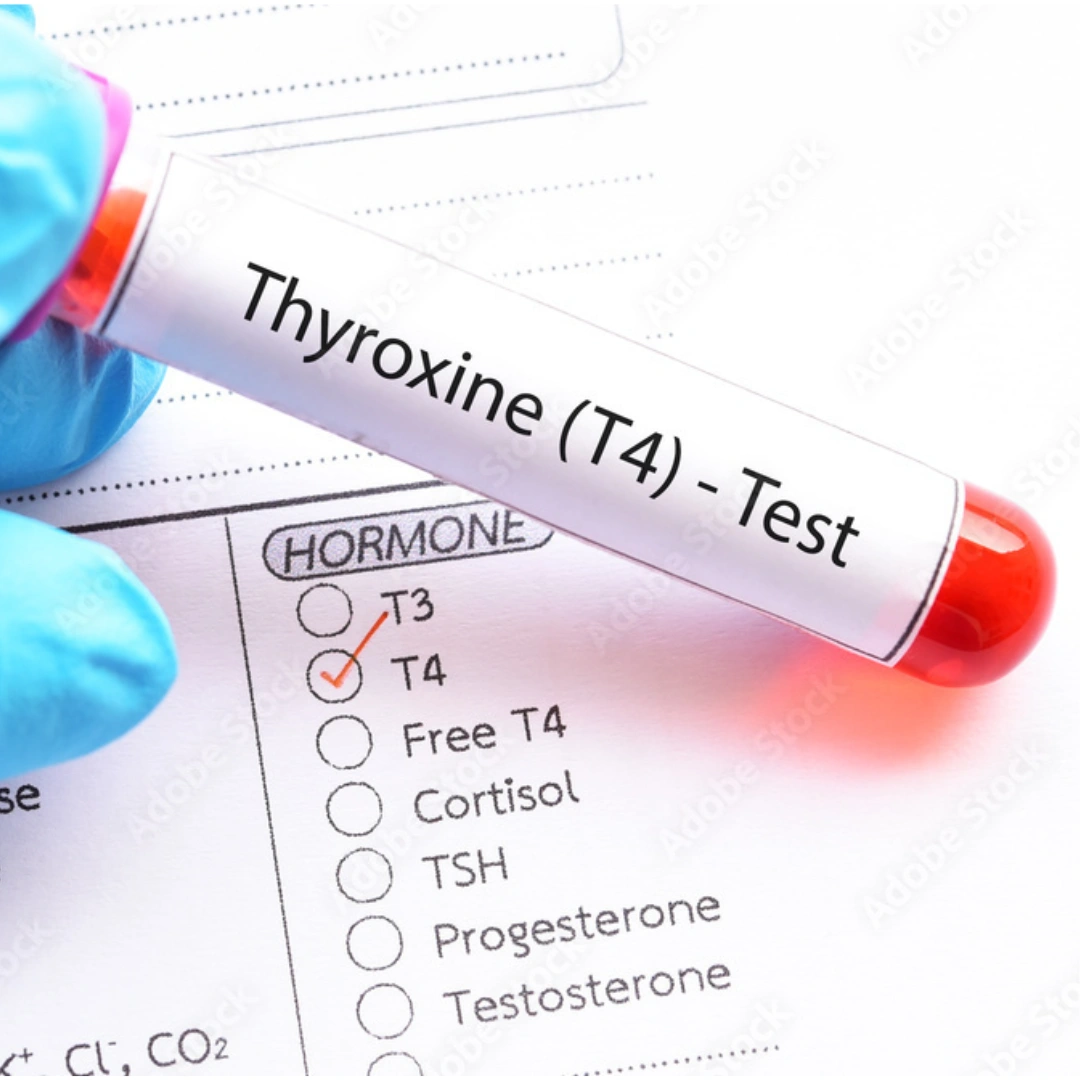
The Thyroxine (T4), Serum test measures the amount of thyroxine, a hormone produced by the thyroid gland, circulating in the blood. T4 is essential for regulating metabolism, growth, energy levels, and overall body function. The test may measure total T4 (bound and unbound) or free T4 (active form not bound to proteins).
Uses
This test is used to assess thyroid function and help diagnose thyroid disorders such as hypothyroidism (underactive thyroid) and hyperthyroidism (overactive thyroid). It is often ordered alongside Thyroid Stimulating Hormone (TSH) and Triiodothyronine (T3) tests for a complete thyroid evaluation. It may also be used to monitor patients on thyroid replacement therapy or those taking medications that affect thyroid function.
Symptoms That May Lead to the Test
Doctors may recommend this test if you have symptoms of thyroid imbalance. For hypothyroidism: fatigue, weight gain, dry skin, constipation, sensitivity to cold, or hair loss. For hyperthyroidism: weight loss, rapid heartbeat, anxiety, irritability, sweating, or heat intolerance.
Abnormal Results
High T4 Levels: May indicate hyperthyroidism, thyroiditis, excessive thyroid hormone medication, or certain tumors. Symptoms often include anxiety, tremors, weight loss, and rapid heartbeat.
Low T4 Levels: May suggest hypothyroidism, pituitary gland disorders, iodine deficiency, or side effects of certain medications. Symptoms include fatigue, weight gain, and sluggishness.
Normal Ranges: Values vary by lab, but generally total T4 ranges 4.5–12 µg/dL and free T4 ranges 0.8–2.0 ng/dL. Interpretation must be combined with TSH and clinical findings.
Risks
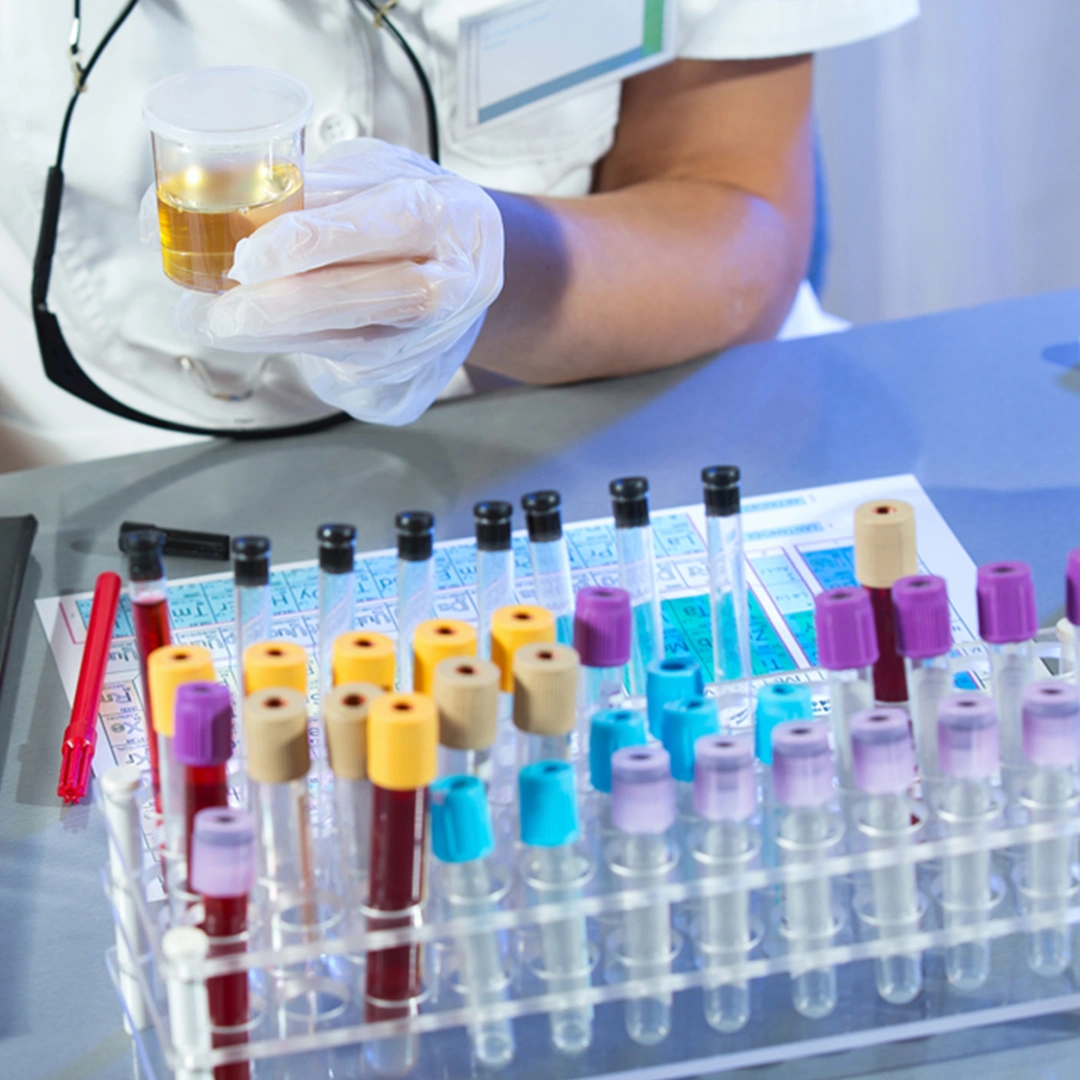
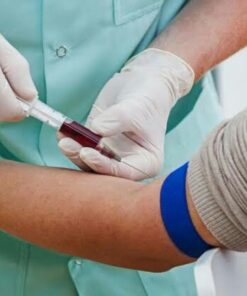
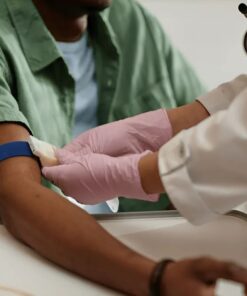
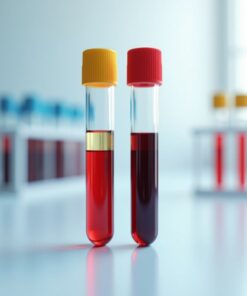
The test involves a simple blood draw, with minimal risks such as slight bruising, mild pain, or temporary dizziness. No long-term risks are associated with the procedure.


Reviews
There are no reviews yet.