TLC & DLC (Total Leucocyte Count and Differential Leucocyte Count)
What is it?
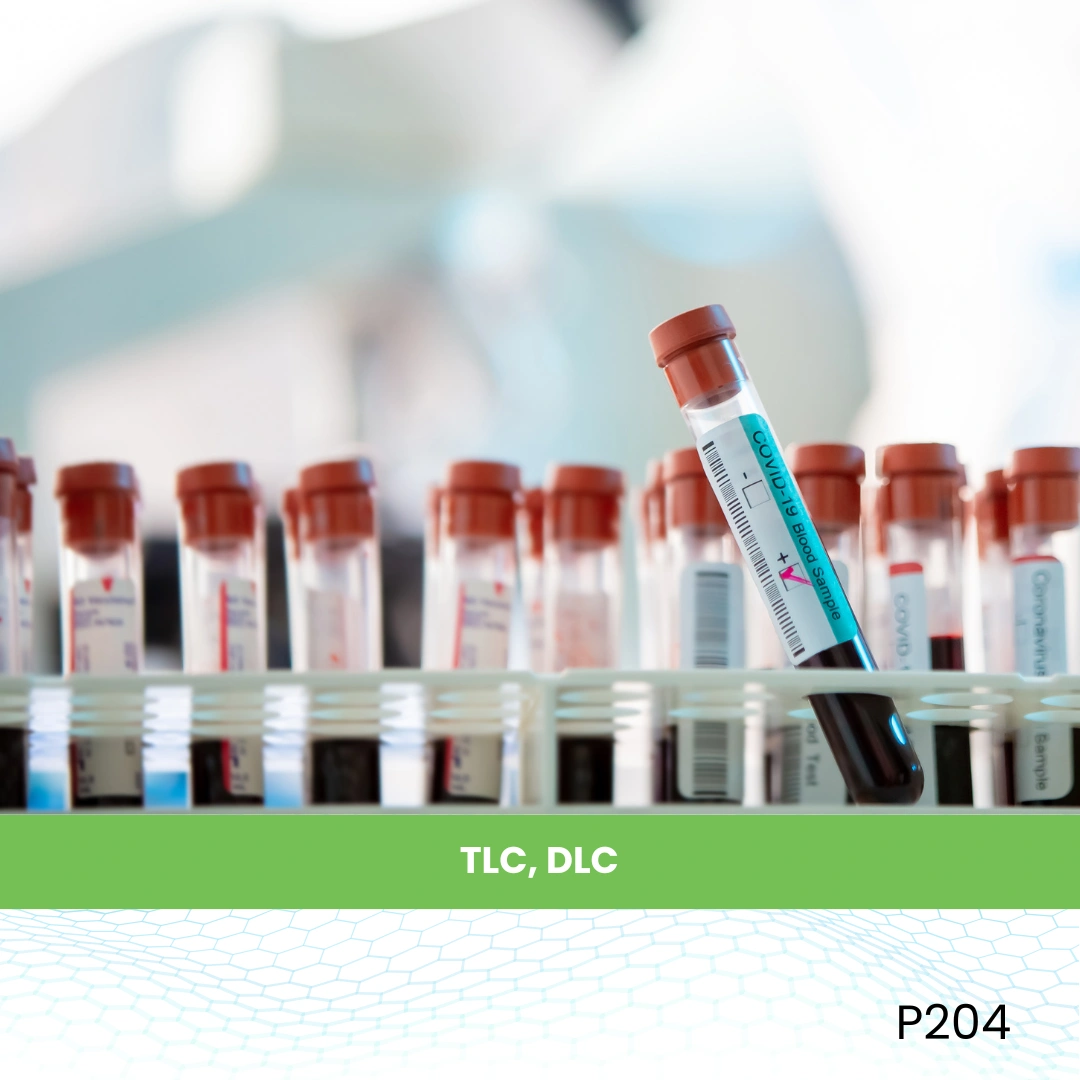
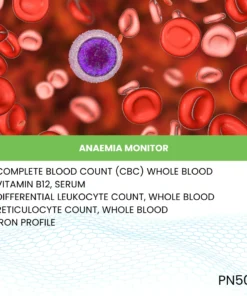
The TLC & DLC test is a routine blood test that measures the total number of white blood cells (TLC) and their different types (DLC) in the bloodstream. White blood cells (leukocytes) are essential for the body’s immune defense against infections. TLC gives the overall count of white blood cells, while DLC provides the percentage of different types such as neutrophils, lymphocytes, eosinophils, monocytes, and basophils.
Uses
This test is commonly used to evaluate the immune system, detect infections, monitor blood disorders, and support the diagnosis of autoimmune or inflammatory diseases. It is also part of routine health check-ups and complete blood count (CBC) panels.
Symptoms
Doctors may recommend TLC & DLC if you experience frequent infections, unexplained fever, weakness, fatigue, night sweats, swollen lymph nodes, inflammation, or symptoms suggestive of bone marrow or blood disorders.
Abnormal Results
High TLC (Leukocytosis): May indicate bacterial infections, inflammation, stress, tissue injury, or blood cancers like leukemia.
Low TLC (Leukopenia): May suggest viral infections, bone marrow suppression, autoimmune diseases, HIV/AIDS, or side effects of chemotherapy.
Abnormal DLC: A shift in the proportion of white blood cell types may indicate specific conditions. For example, high neutrophils often suggest bacterial infections, while high lymphocytes may point to viral infections.
Risks
The TLC & DLC test is a simple blood test with minimal risks. Mild pain, bruising, or slight bleeding at the puncture site may occur, and in rare cases, dizziness or infection can happen.


Reviews
There are no reviews yet.