Total Galactose (Neonatal Screening)
What it is
The Total Galactose test, used in neonatal screening, measures the level of galactose and galactose-1-phosphate in the blood of newborns. It helps detect galactosemia, a rare inherited disorder where the body cannot properly break down galactose, a sugar found in milk and dairy products.
Uses
This test is primarily used as part of newborn screening programs to identify galactosemia early. Early detection is crucial to prevent severe complications such as liver damage, cataracts, intellectual disability, and even life-threatening illness in infants.
Symptoms That May Lead to the Test
Although the test is routinely performed on all newborns, doctors may also recommend it if an infant shows symptoms such as jaundice, vomiting, poor feeding, irritability, enlarged liver, or failure to thrive.
Abnormal Results
High Total Galactose Levels: Suggest galactosemia or galactokinase deficiency, which requires immediate dietary management by eliminating galactose and lactose from the diet.
Normal Levels: Indicate that the newborn can properly metabolize galactose and does not have galactosemia.
Risks
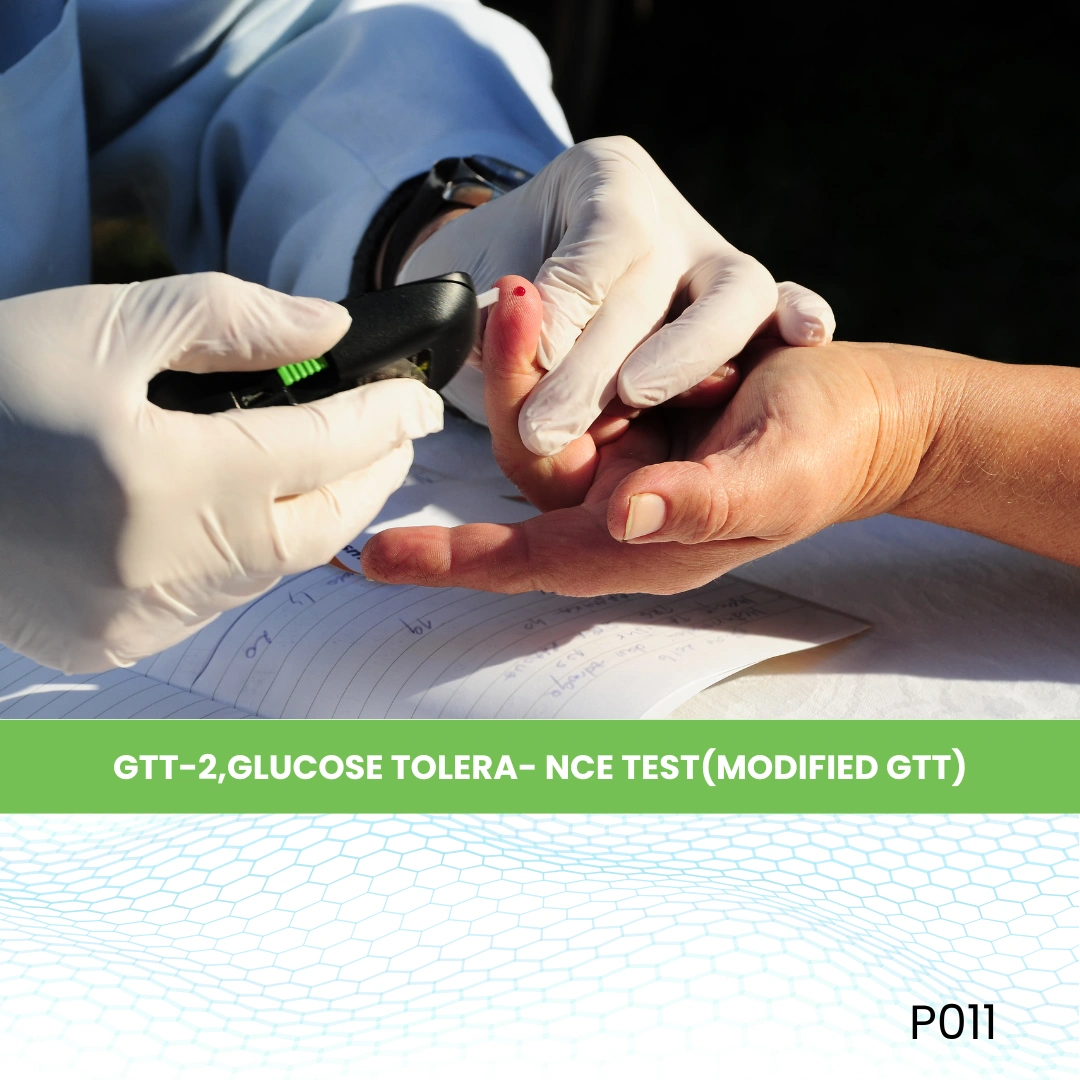
The Total Galactose test is usually done on a dried blood spot collected from a heel prick in newborns. Risks are minimal and may include slight discomfort, minor bruising, or a small risk of infection at the puncture site.


Reviews
There are no reviews yet.