Tuberculosis Detect
What it is
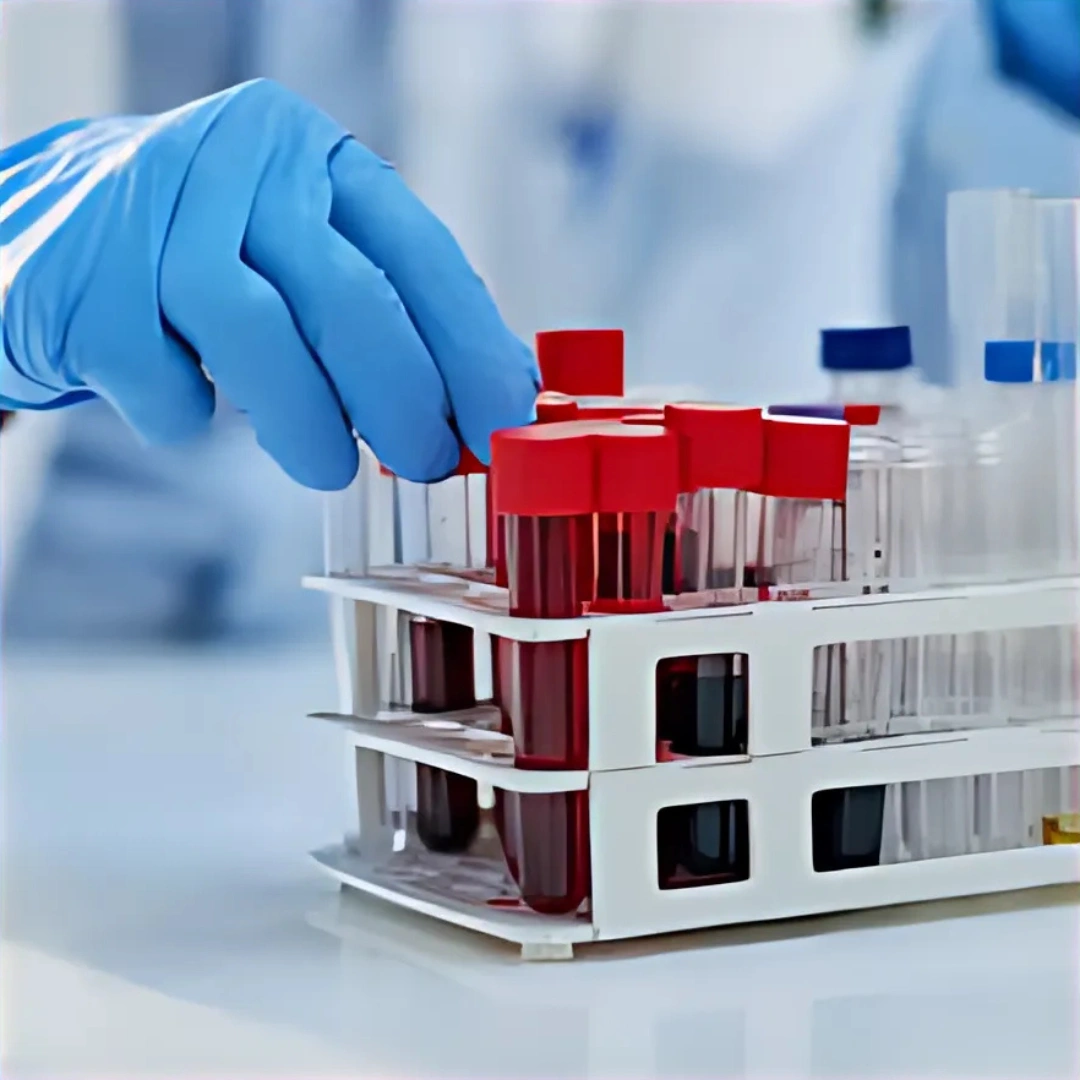
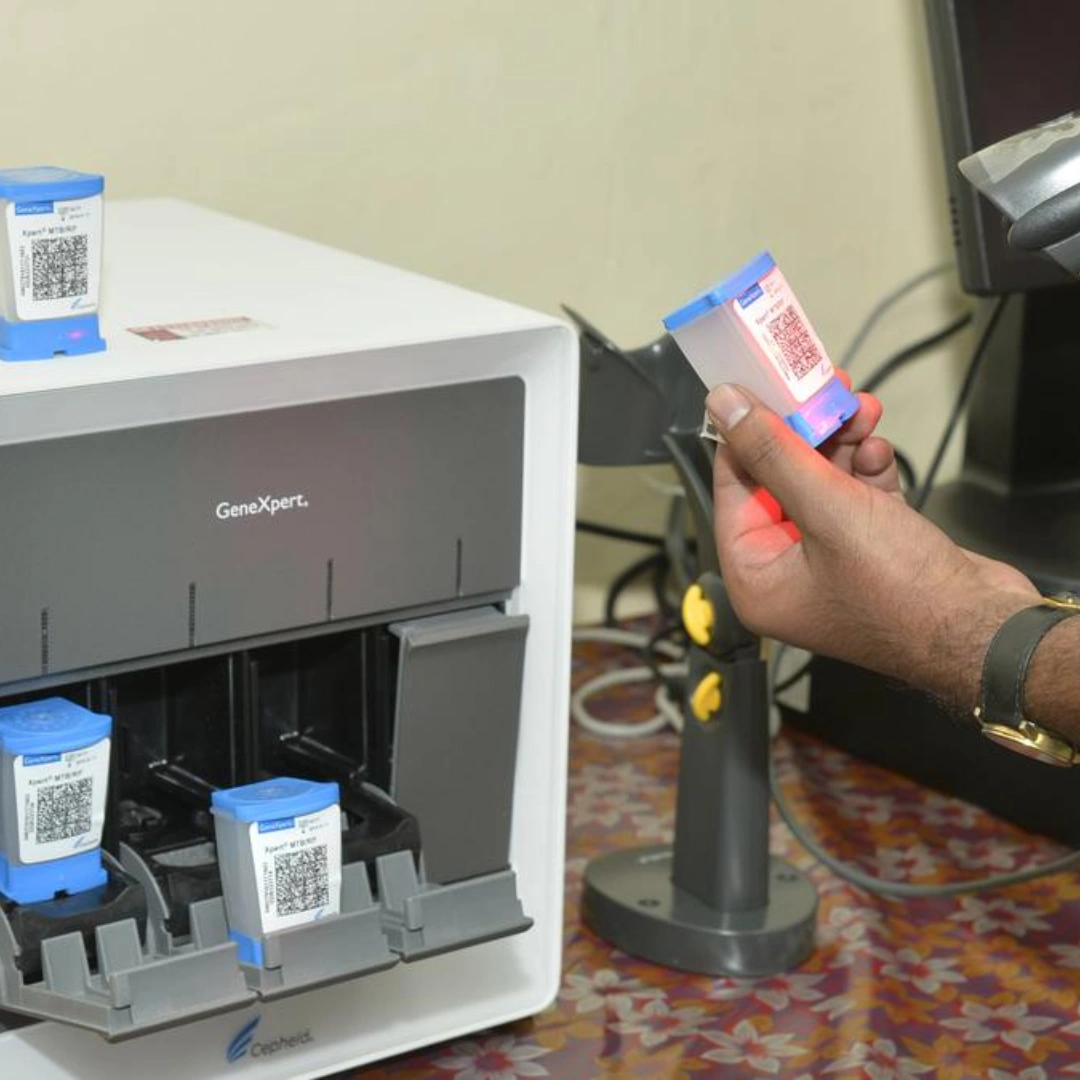
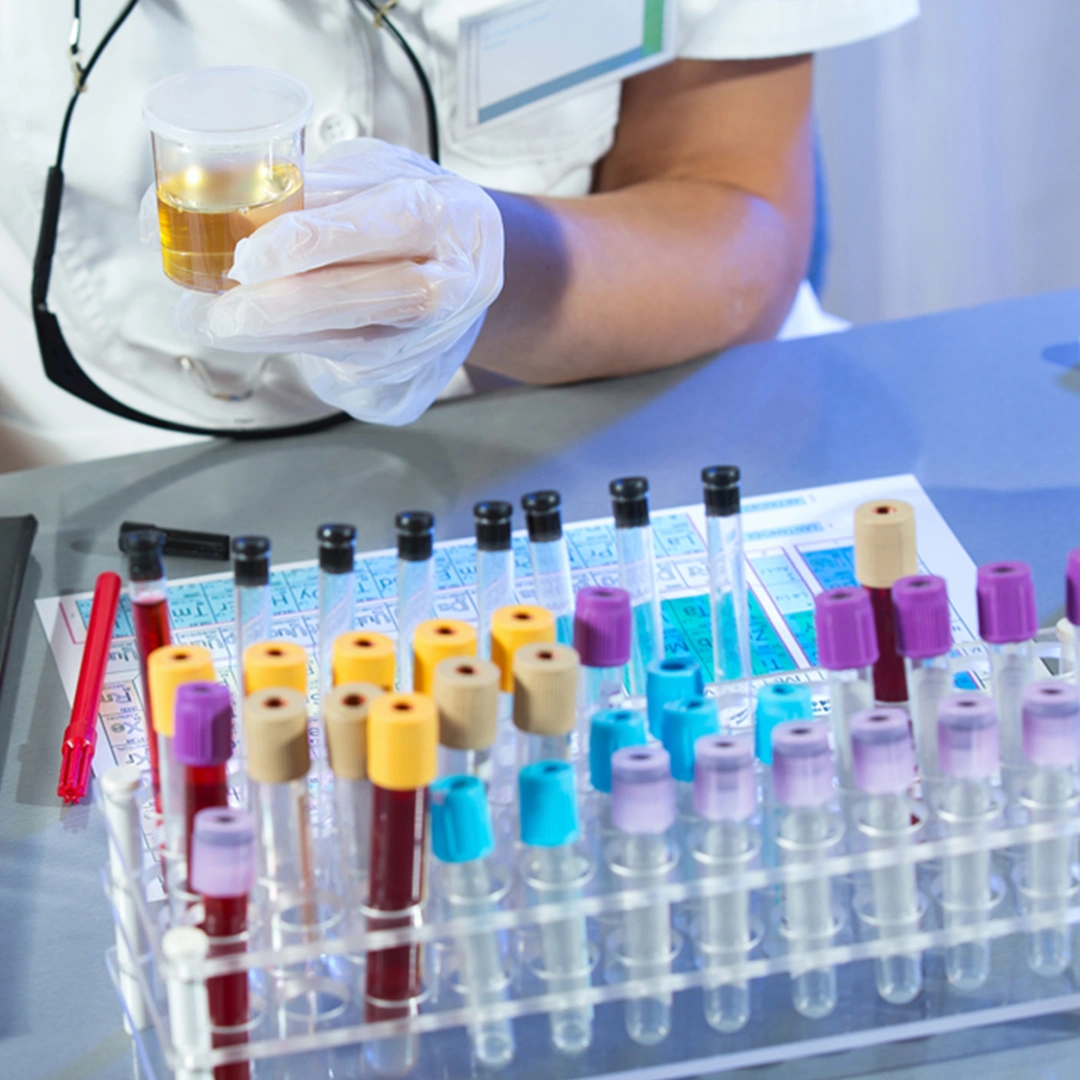
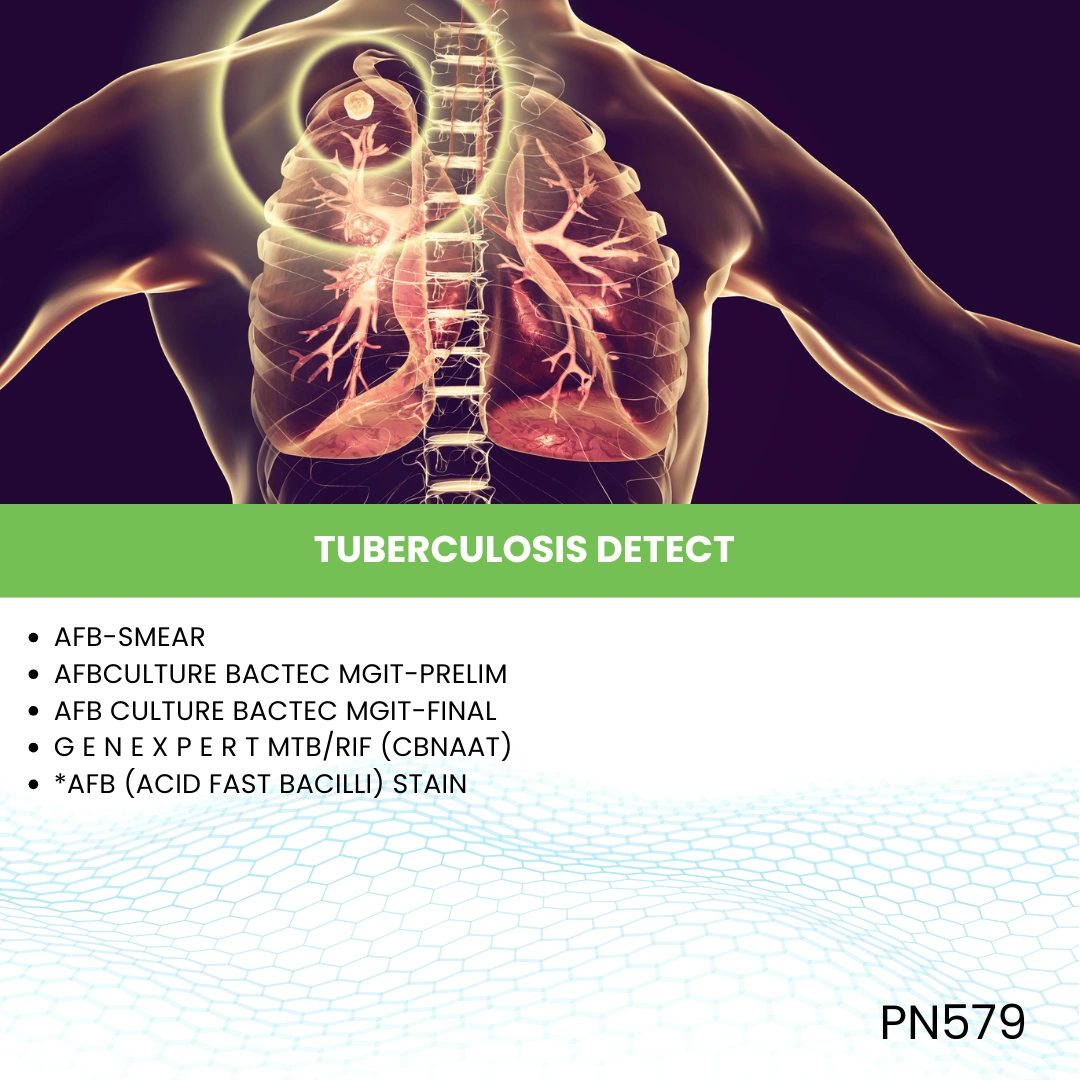
The Tuberculosis Detect test is used to identify infection with Mycobacterium tuberculosis, the bacteria responsible for tuberculosis (TB). Depending on the method, it may involve blood tests, skin tests, or molecular techniques such as PCR to confirm the presence of TB infection or exposure.
Uses
This test helps diagnose active or latent tuberculosis, screen high-risk individuals, monitor TB treatment response, and differentiate TB from other lung or systemic infections. It is especially important in patients with chronic cough, unexplained fever, or a history of TB exposure.
Symptoms That May Lead to the Test
Common signs and symptoms that may prompt a TB test include persistent cough lasting more than 2–3 weeks, coughing up blood, chest pain, fever, night sweats, unexplained weight loss, and fatigue. In children or immunocompromised patients, symptoms may be less specific.
Abnormal Results
Positive Result: Indicates exposure or infection with tuberculosis. Further testing such as chest X-ray, sputum culture, or molecular assays is needed to confirm active disease.
Negative Result: Suggests no evidence of TB infection. However, early infection or weakened immunity may cause false-negative results.
Risks
The risks depend on the type of TB test. For blood-based tests, risks are minimal and limited to mild pain, bruising, or bleeding at the puncture site. For skin tests, mild redness or swelling may occur at the injection site. Serious side effects are rare.


Reviews
There are no reviews yet.