U1 snRNP Antibodies
What it is
The U1 snRNP Antibodies test detects autoantibodies against the U1 small nuclear ribonucleoprotein (snRNP), a component of the spliceosome involved in RNA processing. These antibodies are strongly associated with connective tissue diseases, particularly mixed connective tissue disease (MCTD).
Uses
This test is primarily used to diagnose mixed connective tissue disease (MCTD) and to help differentiate it from other autoimmune conditions such as systemic lupus erythematosus (SLE), systemic sclerosis, and polymyositis. It also supports the evaluation of patients with overlapping autoimmune symptoms.
Symptoms That May Lead to the Test
Doctors may order this test if you have persistent joint pain, muscle weakness, swelling of the hands, Raynaud’s phenomenon (fingers turning white or blue in cold), skin rashes, difficulty swallowing, or symptoms suggesting overlapping autoimmune disorders.
Abnormal Results
Positive U1 snRNP Antibodies: Strongly suggests mixed connective tissue disease (MCTD). May also be found in systemic lupus erythematosus, systemic sclerosis, and polymyositis.
Negative U1 snRNP Antibodies: Reduces the likelihood of MCTD but does not fully rule out autoimmune conditions, as other autoantibodies may be present.
Risks
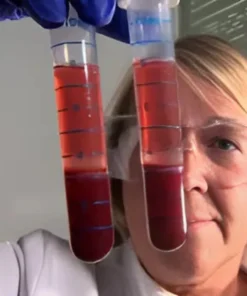
The test requires a routine blood sample. Risks are minimal and may include mild pain, bruising, or bleeding at the puncture site, and rarely dizziness or infection.


Reviews
There are no reviews yet.