Uric Acid, Serum
What it is
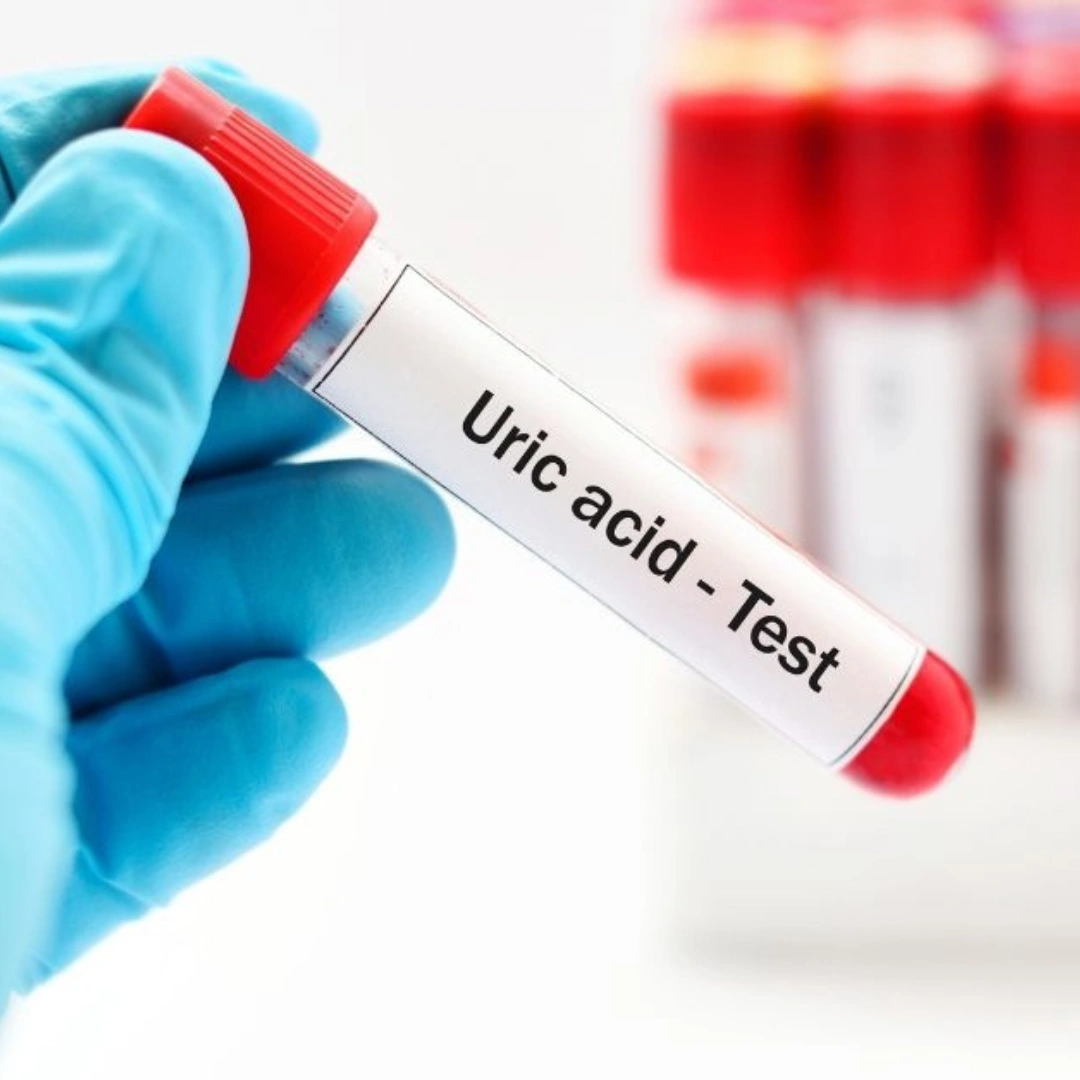
The Uric Acid, Serum test measures the level of uric acid in the blood. Uric acid is a waste product formed when the body breaks down purines, which are found in certain foods and also produced naturally in the body. The kidneys normally filter uric acid and remove it through urine. Elevated or low levels can indicate metabolic or kidney-related disorders.
Uses
This test is commonly used to help diagnose and monitor gout, kidney stones, and kidney function. It also helps assess conditions related to overproduction or under-excretion of uric acid, and may be ordered in patients undergoing chemotherapy or radiation therapy, where uric acid levels can rise due to rapid cell breakdown.
Symptoms That May Lead to the Test
Doctors may recommend this test if a patient shows symptoms such as sudden joint pain (especially in the big toe), swelling, redness, kidney pain, frequent urination, or a history of kidney stones. It is also useful in patients with suspected gout or metabolic disorders.
Abnormal Results
High Uric Acid (Hyperuricemia): May indicate gout, kidney disease, kidney stones, leukemia, lymphoma, metabolic syndrome, or excessive purine intake. It can also occur during cancer treatments that cause cell breakdown.
Low Uric Acid (Hypouricemia): May be seen in certain liver or kidney diseases, genetic disorders, or due to some medications.
Risks
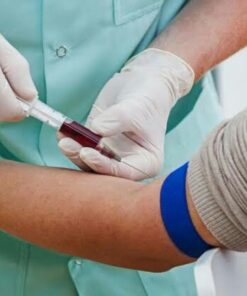
The Uric Acid, Serum test is a standard blood test with minimal risks. Possible side effects include mild pain, bruising, or bleeding at the puncture site, and rarely dizziness or infection.


Reviews
There are no reviews yet.