Urinary Oxalate (24-Hour Urine Test)
What it is
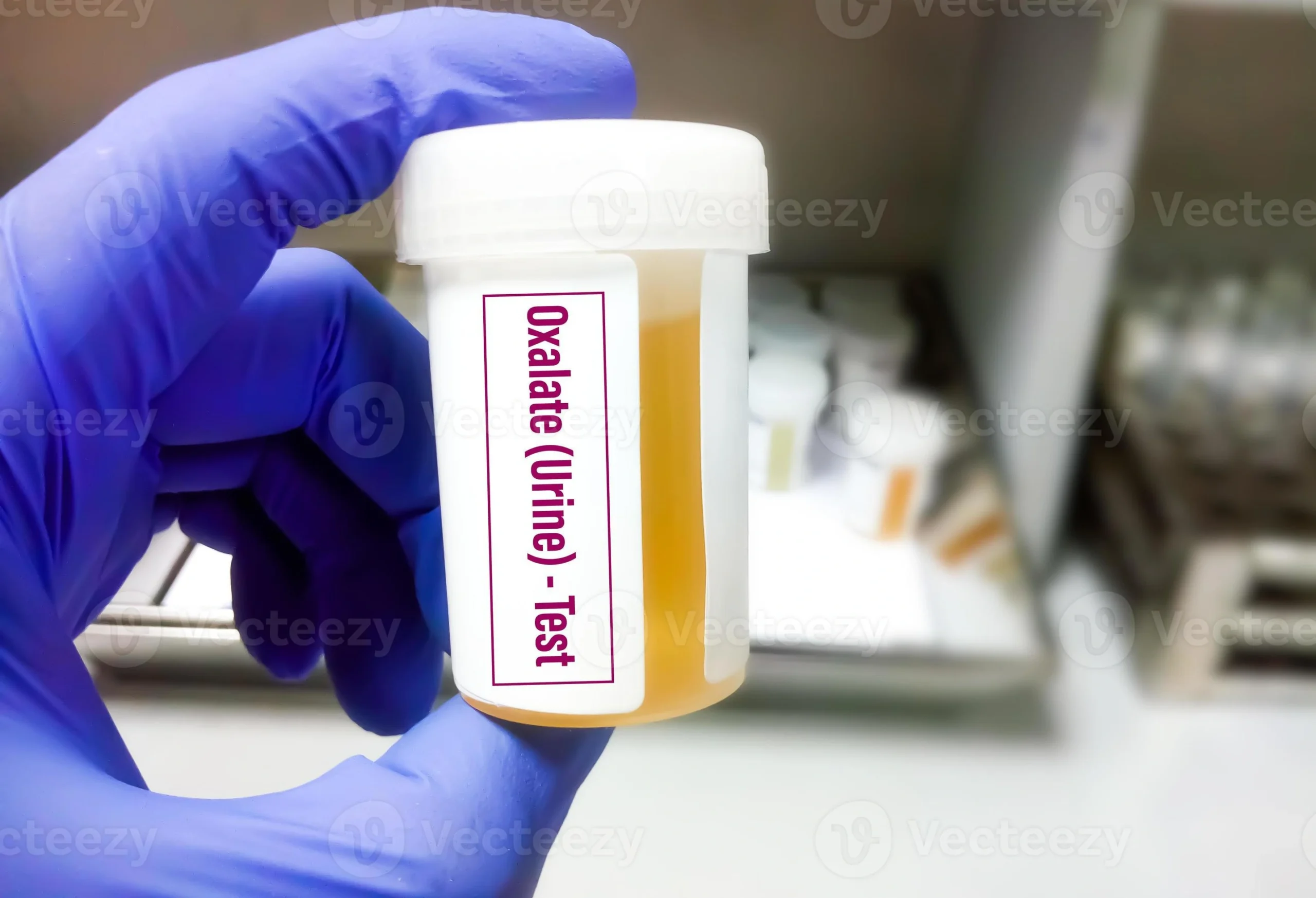
The Urinary Oxalate test measures the amount of oxalate excreted in the urine, usually collected over 24 hours. Oxalate is a natural substance found in many foods and is also produced by the body. Excess oxalate in urine can combine with calcium to form kidney stones, making this test important for evaluating the risk of stone formation.
Uses
This test is used to diagnose hyperoxaluria (high oxalate levels in urine), assess the risk of kidney stones, and monitor patients with a history of recurrent stones. It also helps evaluate patients with certain metabolic or intestinal disorders that may cause excessive oxalate absorption.
Symptoms That May Lead to the Test
Doctors may recommend this test for patients with recurrent kidney stones, flank or back pain, painful urination, blood in urine, or digestive conditions such as inflammatory bowel disease, gastric bypass surgery, or chronic diarrhea that can increase oxalate absorption.
Abnormal Results
High Urinary Oxalate: Suggests hyperoxaluria, which may be due to genetic disorders, intestinal diseases, excessive dietary oxalate, or overproduction of oxalate in the body. It increases the risk of calcium oxalate kidney stones.
Low or Normal Urinary Oxalate: Generally indicates no significant risk, but results should be interpreted along with other urine chemistry tests in patients with kidney stone disease.
Risks
The test requires 24-hour urine collection and has no direct physical risks. The main challenge is proper collection, storage, and handling of the urine sample for accurate results.


Reviews
There are no reviews yet.