What it is:
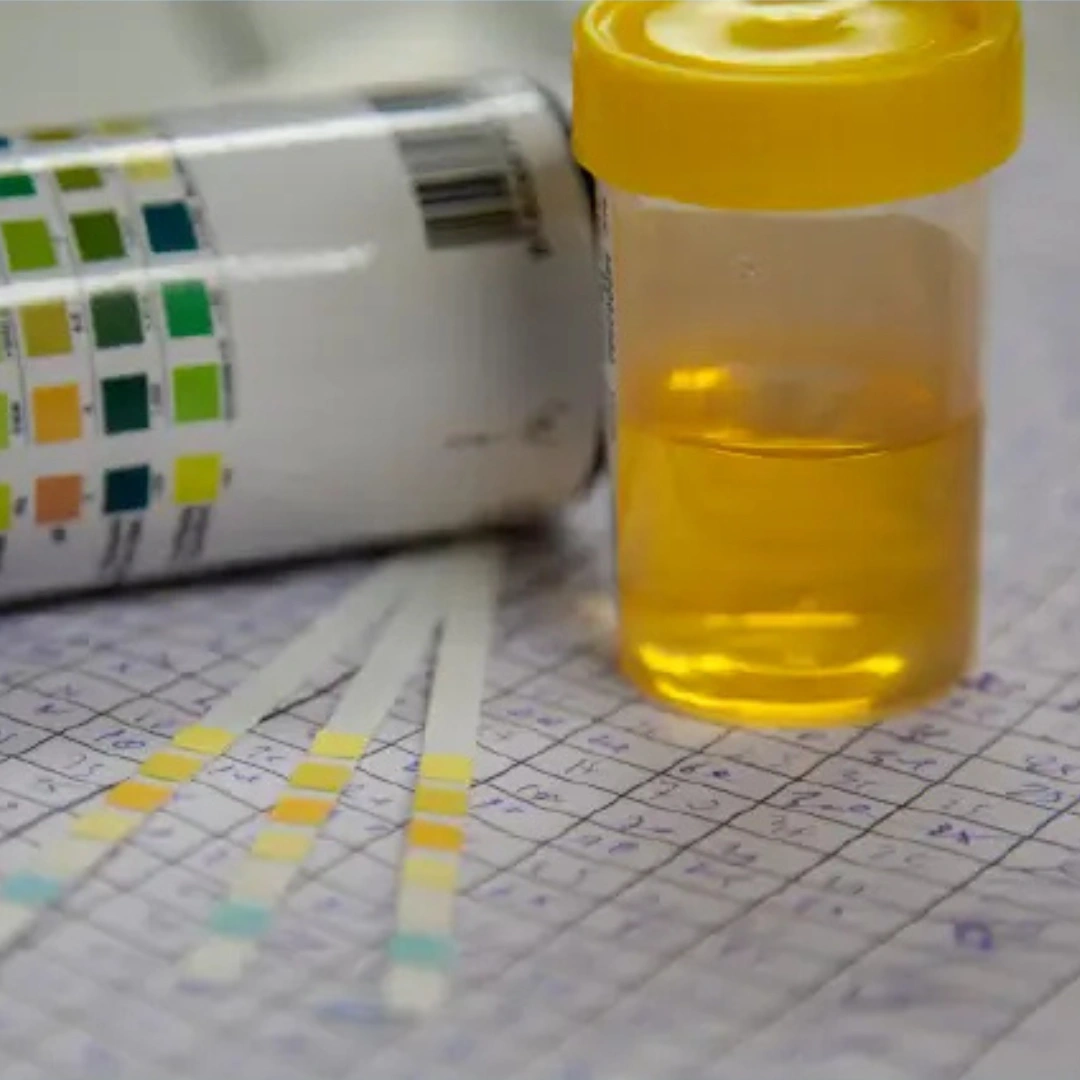
The Urine for Reducing Substances test detects the presence of reducing sugars or other reducing agents in urine. It helps identify abnormal carbohydrate metabolism and certain inherited metabolic disorders. Common substances detected include glucose, galactose, fructose, lactose, and pentose.
Uses
-
Screen for inborn errors of metabolism in infants and children
-
Galactosemia (galactose in urine)
-
Hereditary fructose intolerance (fructose in urine)
-
-
Detect glucosuria in diabetes (though specific glucose tests are more accurate)
-
Evaluate unexplained failure to thrive, developmental delay, or recurrent illness in children
-
Identify drug- or chemical-related reducing substances in urine
Symptoms That May Lead to the Test
-
Infants with vomiting, diarrhea, jaundice, or poor feeding
-
Failure to thrive or developmental delay
-
Unexplained liver enlargement or dysfunction
-
Symptoms of diabetes mellitus (polyuria, polydipsia, weight loss)
-
Recurrent infections or metabolic disturbances
Abnormal Results
-
Positive (reducing substances present):
-
Glucose: Diabetes mellitus, renal glycosuria
-
Galactose: Galactosemia (genetic disorder)
-
Fructose: Hereditary fructose intolerance
-
Other sugars (pentosuria, lactosuria): Rare metabolic defects or dietary causes
-
Certain medications (ascorbic acid, some antibiotics) may cause false positives
-
-
Negative:
-
Normal result; no significant reducing substances detected
-
Risks
-
No direct risks; simple urine test.
-
Requires a fresh urine sample, especially in infants, for accuracy.


Reviews
There are no reviews yet.