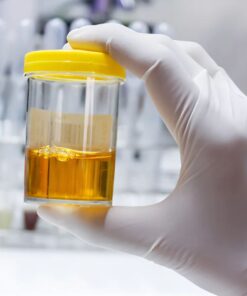
Urine Osmolality
What it is
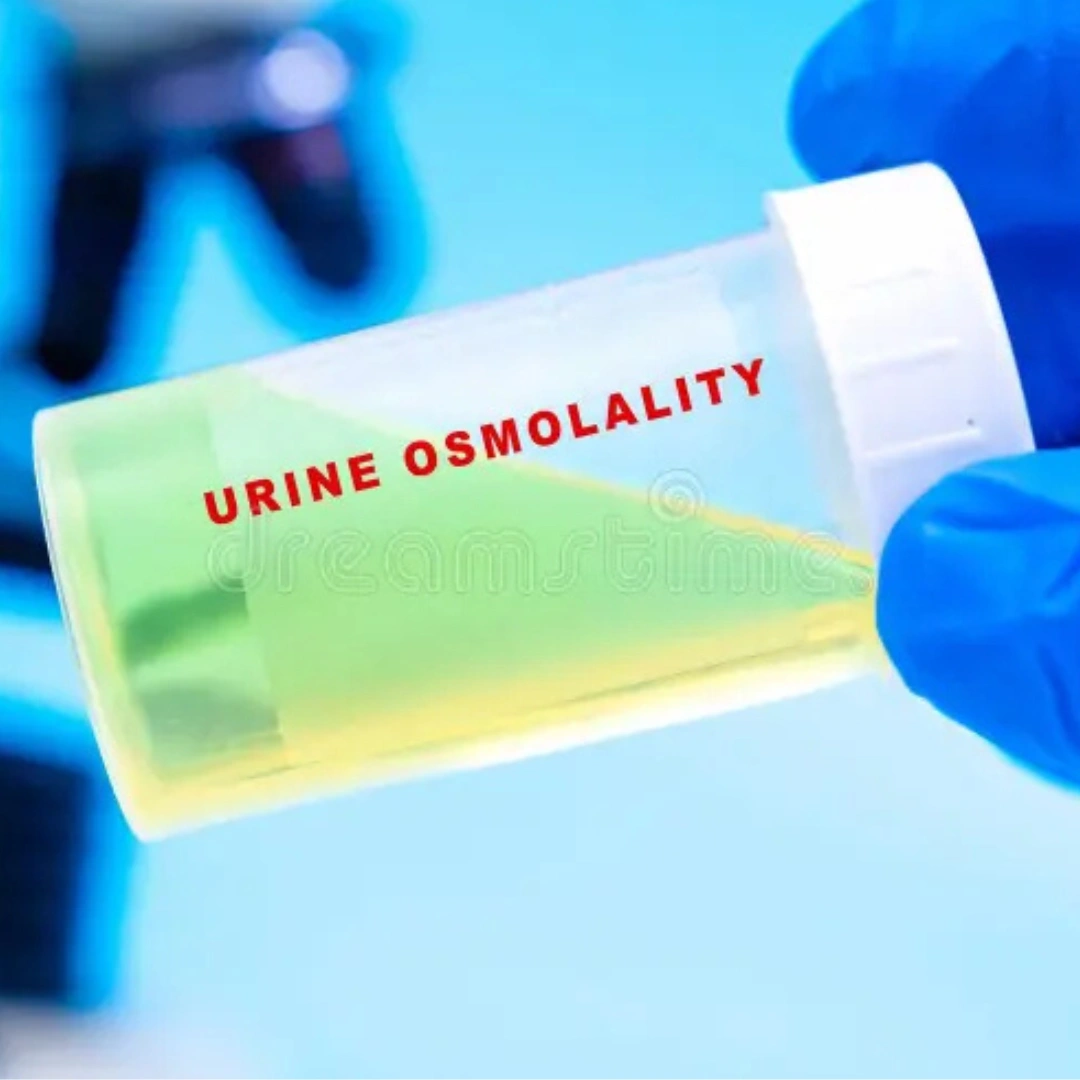
The Urine Osmolality test measures the concentration of dissolved particles such as electrolytes, urea, and glucose in a urine sample. It reflects the kidney’s ability to balance water and filter waste products, helping doctors evaluate fluid and electrolyte balance in the body.
Uses
This test is used to assess kidney function, investigate causes of abnormal sodium levels, and help diagnose conditions such as dehydration, overhydration, syndrome of inappropriate antidiuretic hormone secretion (SIADH), and diabetes insipidus. It is also useful in evaluating the body’s response to fluid therapy.
Symptoms That May Lead to the Test
Doctors may recommend this test if a patient has symptoms like excessive thirst, frequent urination, confusion, seizures, muscle cramps, unexplained fatigue, or signs of fluid imbalance such as swelling or dehydration.
Abnormal Results
High Urine Osmolality: May indicate dehydration, SIADH, heart failure, high sodium levels, or inappropriate kidney water conservation.
Low Urine Osmolality: May suggest overhydration, diabetes insipidus, kidney damage, or excessive fluid intake.
Risks
The Urine Osmolality test is a simple urine test with no direct risks. The main challenge is proper collection and handling of the sample, but it is safe and non-invasive for patients of all ages.


Reviews
There are no reviews yet.