UTI Screening Panel
What it is
The UTI (Urinary Tract Infection) Screening Panel is a set of urine-based tests designed to detect the presence of infection-causing bacteria, white blood cells, and other markers that indicate urinary tract infections. UTIs can affect the bladder, kidneys, ureters, or urethra and are among the most common bacterial infections, especially in women.
Uses
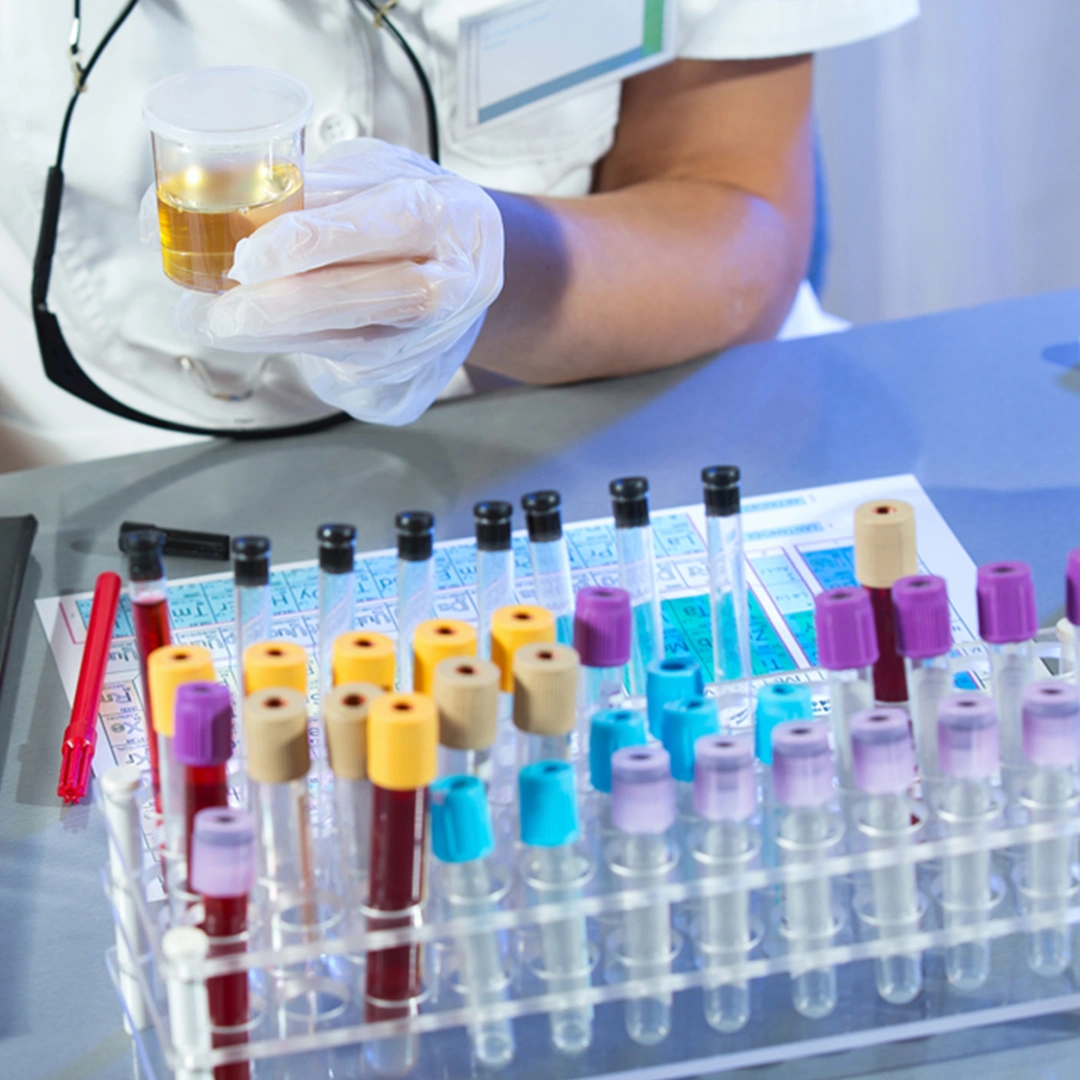
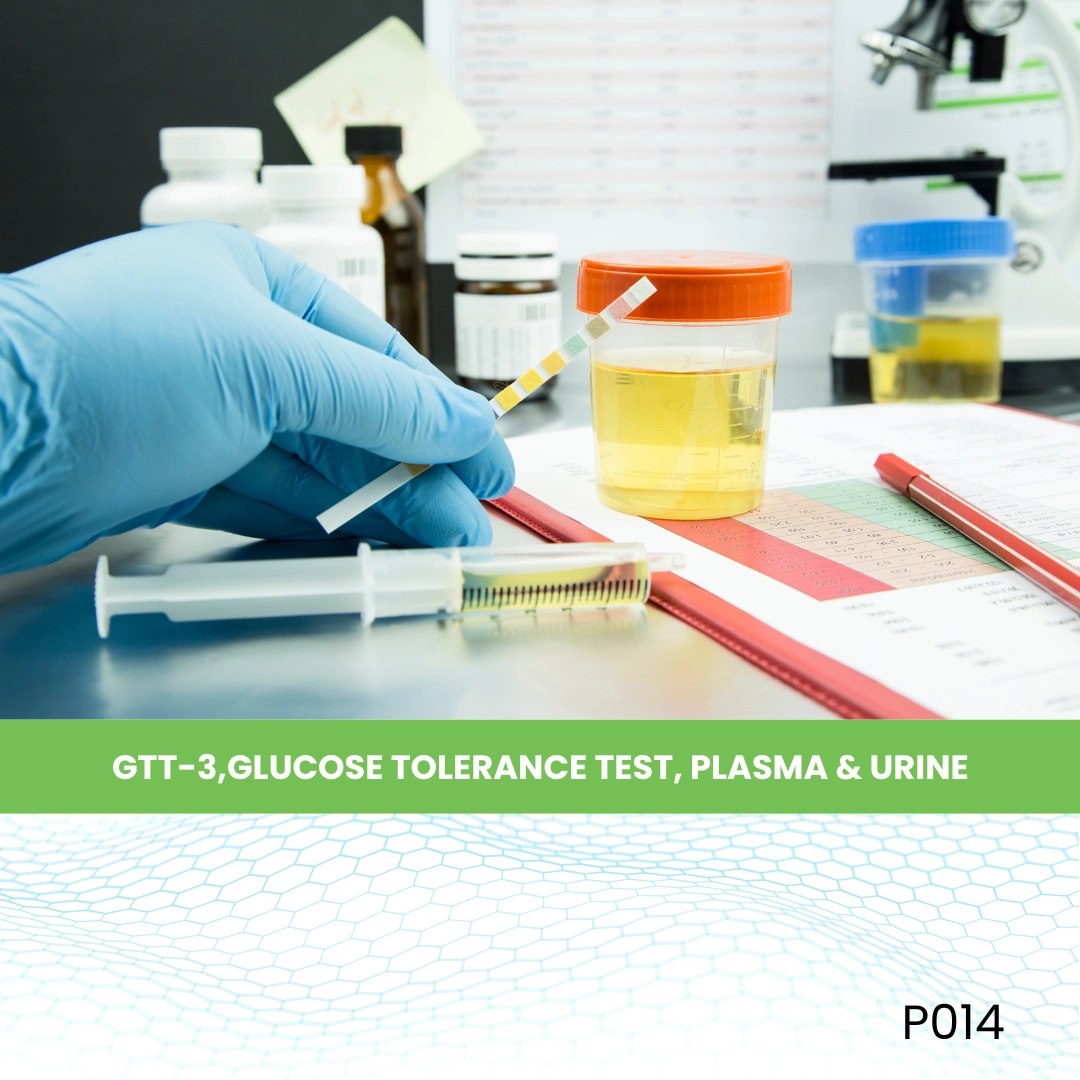
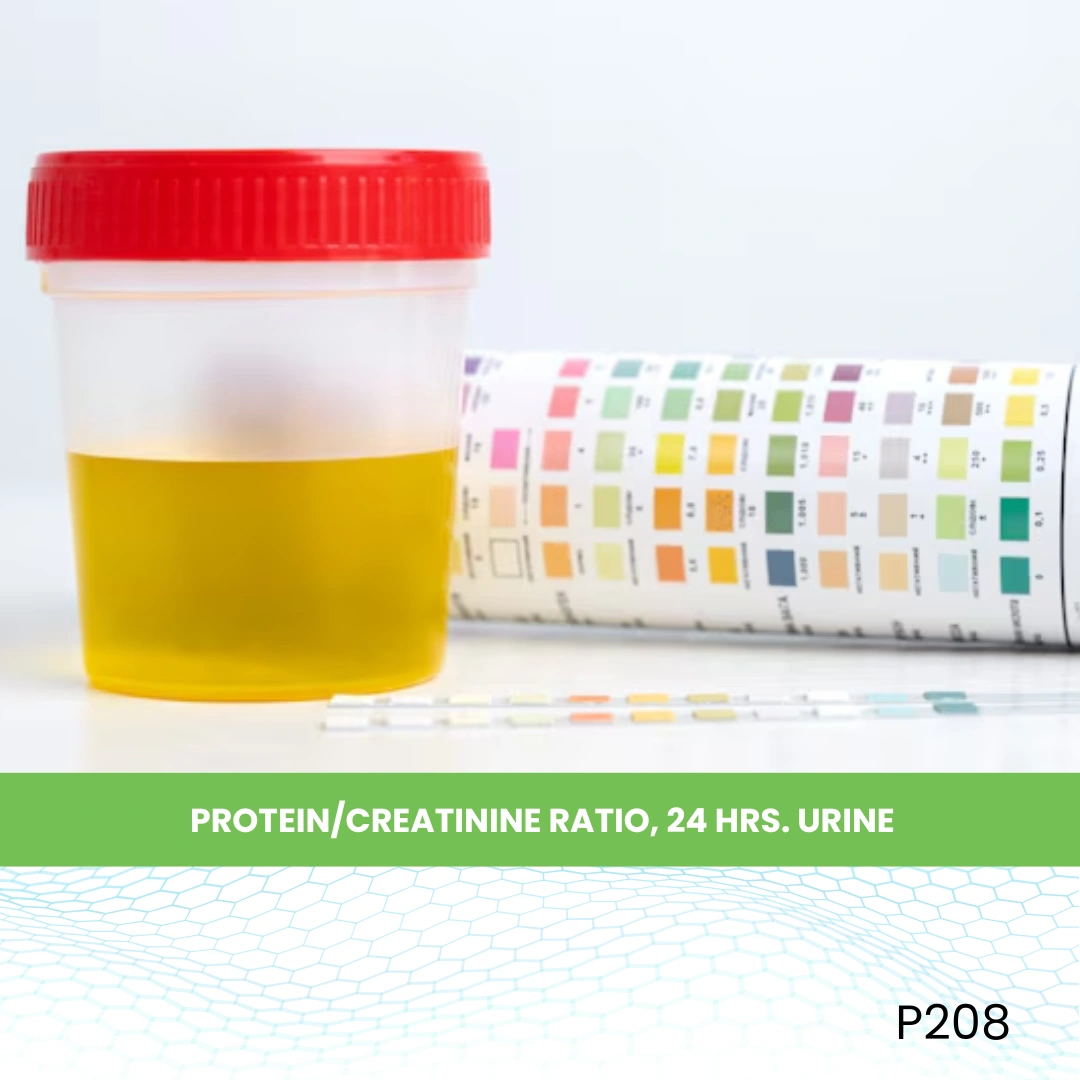
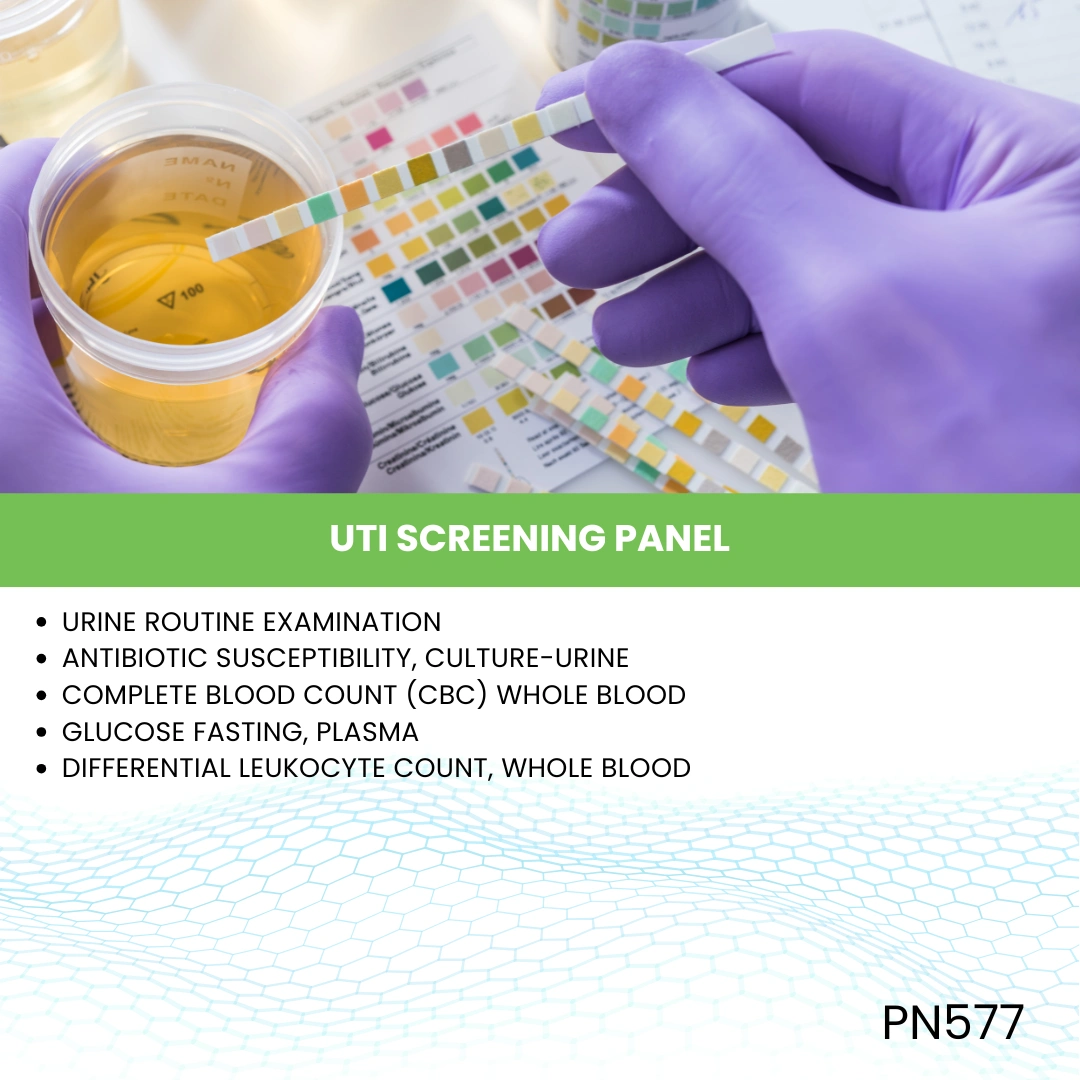
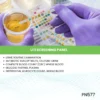
This panel helps diagnose urinary tract infections, identify their severity, and guide treatment decisions. It typically includes urine microscopy, urine culture, sensitivity testing, and dipstick analysis for nitrites, leukocyte esterase, and protein. In some cases, additional markers may be included for comprehensive evaluation.
Symptoms That May Lead to the Test
Doctors may recommend a UTI screening panel if you experience burning during urination, frequent urge to urinate, cloudy or foul-smelling urine, lower abdominal pain, fever, back pain, or blood in urine. Pregnant women, children, and individuals with recurrent UTIs are often advised to undergo this test as part of evaluation.
Abnormal Results
Positive Findings: Presence of bacteria, elevated white blood cells (pus cells), or nitrites in urine confirms a urinary tract infection. Culture and sensitivity testing further identify the specific bacteria and the most effective antibiotics.
Negative Findings: Absence of bacterial growth or normal urine analysis suggests no active infection. However, if symptoms persist, further tests may be required to rule out other causes.
Risks
The test is non-invasive and requires only a urine sample. There are no risks associated with the procedure, though proper collection is essential to avoid contamination and false results.


Reviews
There are no reviews yet.