Varicella Zoster Virus (VZV) Antibody, IgG, Serum
What it is
The Varicella Zoster Virus (VZV) Antibody, IgG, Serum test measures the level of IgG antibodies against the varicella zoster virus in the blood. VZV is the virus that causes chickenpox (primary infection) and shingles (reactivation later in life). The presence of IgG antibodies indicates prior exposure to the virus or immunity from vaccination.
Uses
This test is used to confirm immunity to chickenpox, especially in healthcare workers, pregnant women, and individuals at high risk of exposure. It may also be used in patients with suspected shingles to support diagnosis. The test helps guide vaccination decisions and assess immunity in individuals with uncertain or undocumented infection history.
Symptoms That May Lead to the Test
Doctors may recommend this test if you are unsure whether you’ve had chickenpox or been vaccinated, if you are planning pregnancy, working in healthcare, or undergoing organ transplantation. It may also be ordered if you present with a vesicular rash, nerve pain, or other symptoms suggestive of varicella or shingles.
Abnormal Results
Positive IgG (Reactive): Indicates immunity due to past infection or vaccination. The person is unlikely to contract chickenpox again but may still develop shingles later in life.
Negative IgG (Non-reactive): Suggests no prior exposure or immunity. Vaccination may be recommended to prevent primary infection.
Risks
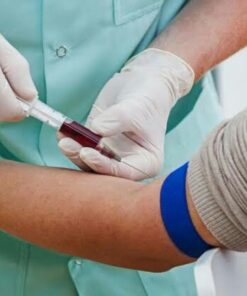
This test involves a simple blood draw with minimal risks such as mild bruising, slight pain, or dizziness. These effects are temporary and uncommon.


Reviews
There are no reviews yet.