VDRL Titre
What it is
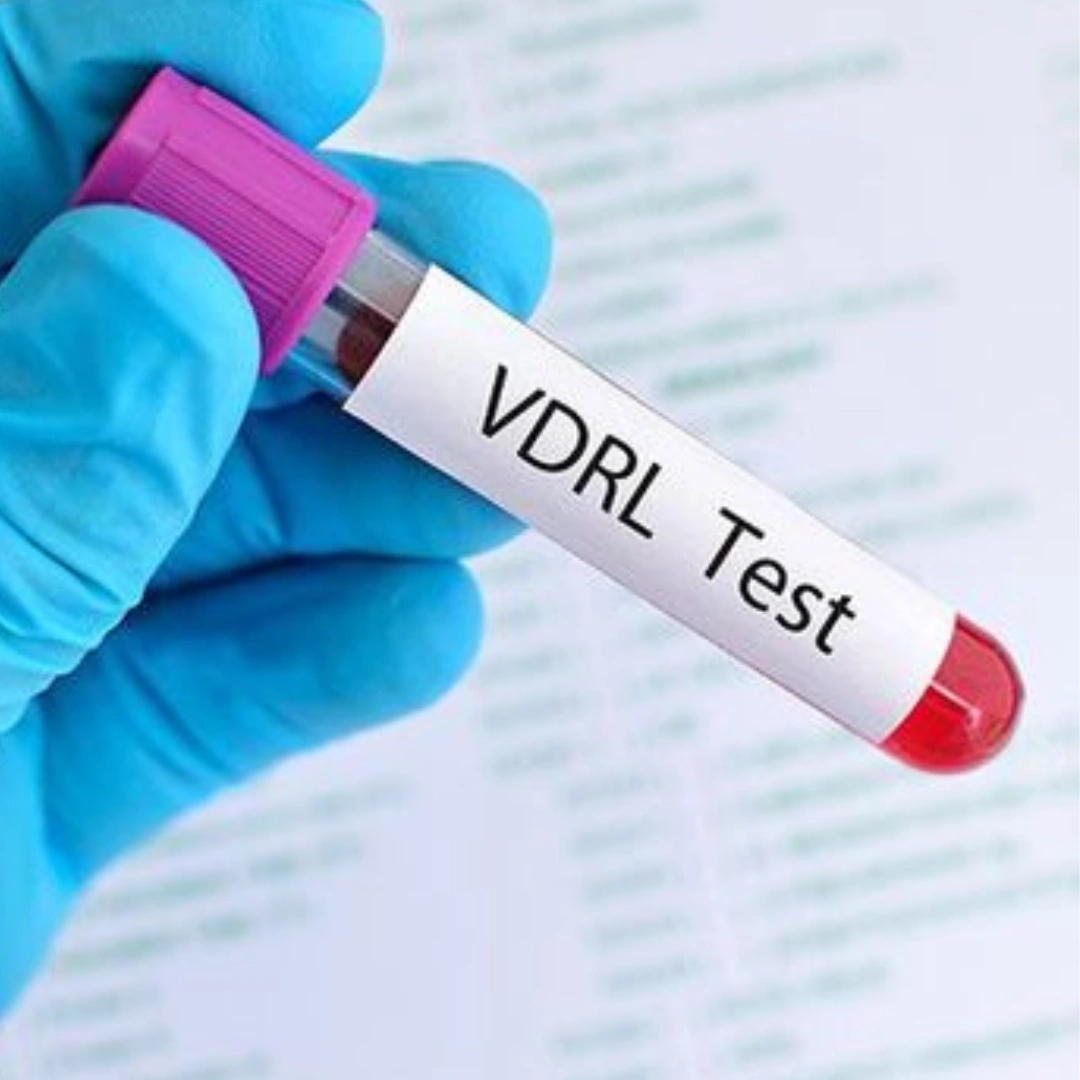
The VDRL (Venereal Disease Research Laboratory) Titre test is a blood test that measures the level of antibodies produced in response to Treponema pallidum, the bacterium that causes syphilis. Unlike the standard VDRL screening, the titre provides a quantitative result (the concentration of antibodies), which is useful for monitoring disease activity and treatment response.
Uses
This test is used to diagnose syphilis infection, determine the severity of the disease, and track treatment effectiveness. It helps clinicians measure whether antibody levels are rising (indicating active or untreated infection) or falling (suggesting effective treatment). It is also useful in screening pregnant women to prevent congenital syphilis.
Symptoms That May Lead to the Test
Doctors may order this test if you experience symptoms such as genital ulcers, rashes (especially on the palms and soles), swollen lymph nodes, fever, sore throat, hair loss, neurological symptoms, or if you have a history of unprotected sexual contact with a partner who may have syphilis.
Abnormal Results
High VDRL Titre: Indicates active syphilis infection or reinfection. The higher the titre, the more active the disease is likely to be.
Falling Titre After Treatment: Suggests successful therapy and disease control.
Persistently High or Rising Titre: May indicate treatment failure, relapse, or reinfection and requires further medical evaluation.
False Positives: Can occur in conditions like malaria, lupus, hepatitis, pregnancy, or certain viral infections, so confirmatory treponemal tests (e.g., FTA-ABS, TPHA) are often needed.
Risks
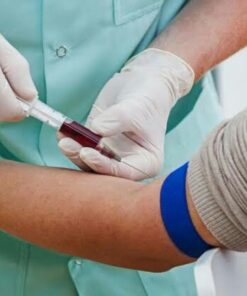
The test involves a standard blood draw with minimal risks such as mild pain, slight bruising, or dizziness at the puncture site. These effects are temporary and rarely serious.


Reviews
There are no reviews yet.