VGKC (LGI1 and CASPR2) Antibody, Serum
What it is
The VGKC (Voltage-Gated Potassium Channel) Antibody, Serum test detects autoantibodies against proteins associated with the VGKC complex, primarily LGI1 (Leucine-rich Glioma-Inactivated 1) and CASPR2 (Contactin-Associated Protein-like 2). These antibodies are linked to autoimmune neurological syndromes that affect the brain, nerves, and muscles. Testing serum (blood) levels helps identify systemic antibody production related to autoimmune disease.
Uses
This test is used to support the diagnosis of autoimmune neurological disorders such as limbic encephalitis, neuromyotonia, and Morvan’s syndrome. It is also ordered in cases of unexplained seizures, memory loss, movement abnormalities, or peripheral nerve hyperexcitability. Measuring antibodies in serum is often performed alongside cerebrospinal fluid (CSF) analysis for a comprehensive assessment.
Symptoms That May Lead to the Test
Doctors may recommend this test if you present with subacute seizures, confusion, memory impairment, psychiatric changes, neuropathic pain, abnormal muscle twitching, cramps, autonomic dysfunction (such as excessive sweating or irregular heartbeat), or suspected autoimmune encephalitis. It may also be ordered in suspected paraneoplastic syndromes linked to underlying tumors.
Abnormal Results
Positive LGI1 Antibodies: Strongly associated with autoimmune limbic encephalitis, seizures, memory loss, hyponatremia, and cognitive decline. These cases often respond well to immunotherapy.
Positive CASPR2 Antibodies: Associated with neuromyotonia, Morvan’s syndrome, and sometimes limbic encephalitis, involving both central and peripheral nervous systems.
Negative Results: Indicate no detectable VGKC-complex antibodies. However, a negative test does not exclude autoimmune encephalitis, and additional antibody panels or imaging may be necessary.
Risks
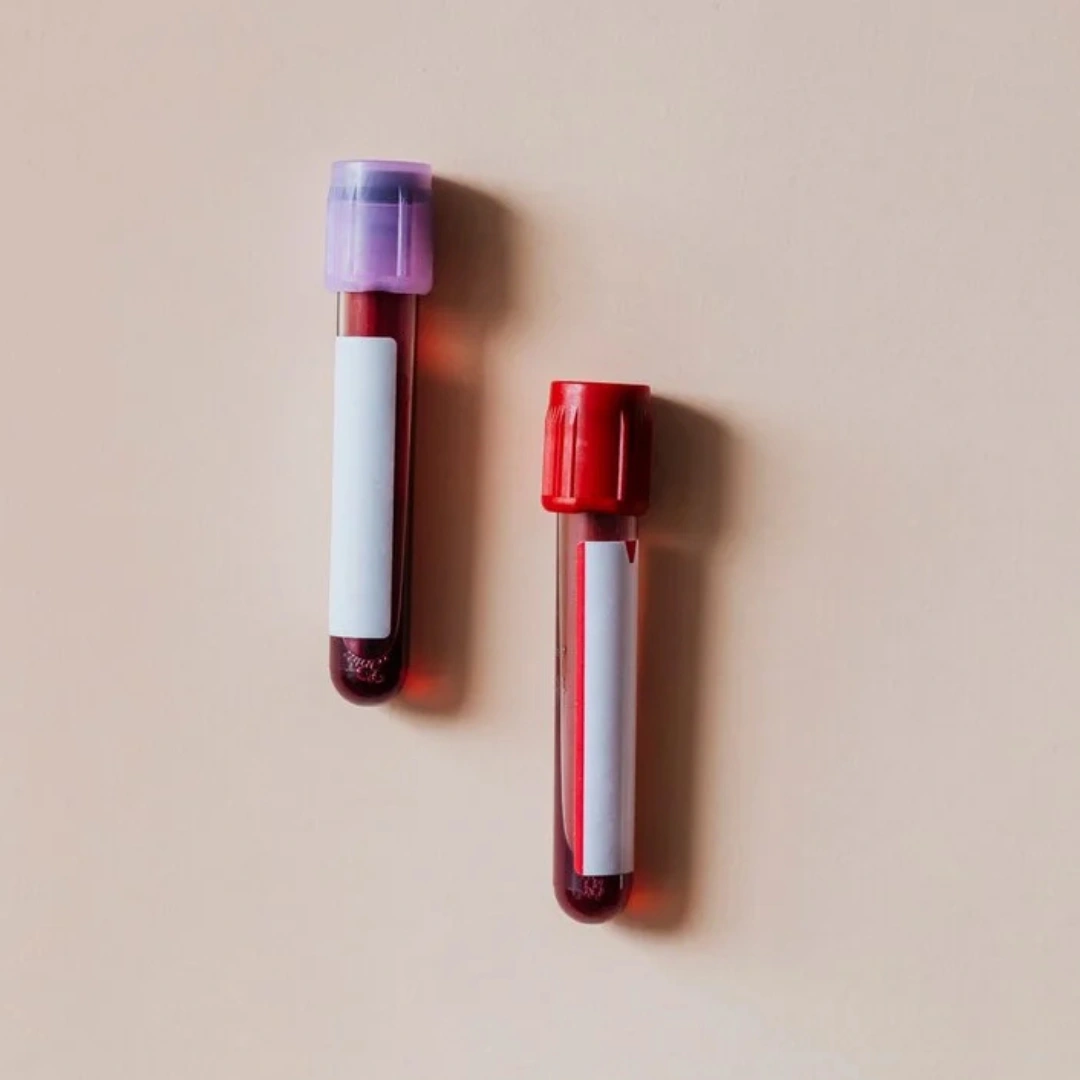
This test involves a standard blood draw, with minimal risks such as mild pain, bruising, or dizziness at the puncture site. These effects are temporary and rarely serious.


Reviews
There are no reviews yet.