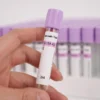
Vitamin A, Serum/EDTA Plasma
What it is
The Vitamin A, Serum/EDTA Plasma test measures the concentration of vitamin A (retinol) in the blood. Vitamin A is a fat-soluble vitamin essential for vision, immune system health, reproduction, and proper functioning of the heart, lungs, and kidneys. Testing serum or EDTA plasma levels provides insight into nutritional status and helps detect deficiencies or toxic levels.
Uses
This test is used to assess vitamin A deficiency or excess. Deficiency may lead to night blindness, impaired immunity, and delayed growth in children, while excess (hypervitaminosis A) can cause toxicity, including liver damage and bone pain. It is also used in monitoring patients receiving vitamin A supplements, those with malabsorption syndromes, or individuals on long-term parenteral nutrition.
Symptoms That May Lead to the Test
Doctors may recommend this test if you experience symptoms such as difficulty seeing in dim light (night blindness), frequent infections, dry eyes, dry skin, delayed wound healing, bone pain, headaches, nausea, or dizziness. Children with growth or developmental issues may also be tested for vitamin A deficiency.
Abnormal Results
Low Vitamin A Levels: Suggest deficiency, commonly caused by poor dietary intake, fat malabsorption disorders (like celiac disease, Crohn’s disease, or cystic fibrosis), or chronic illness.
High Vitamin A Levels: Indicate potential toxicity, which may occur due to excessive supplementation. Symptoms of toxicity include nausea, vomiting, headache, liver enlargement, hair loss, and in severe cases, birth defects during pregnancy.
Risks
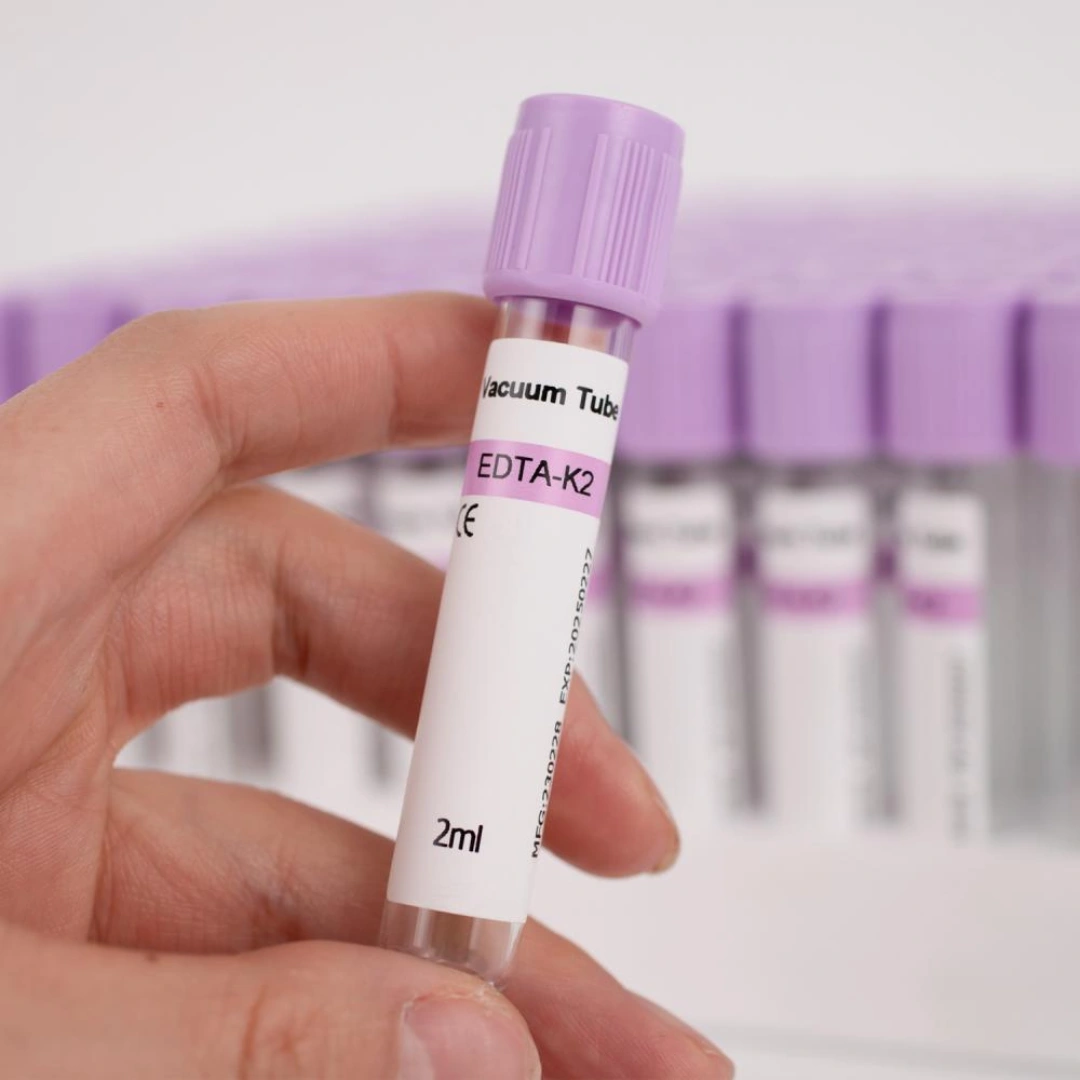
The test involves a standard blood draw, usually using serum or EDTA plasma samples. Risks are minimal and may include slight bruising, discomfort, or dizziness at the puncture site. These effects are temporary and rarely serious.


Reviews
There are no reviews yet.