Vitamin B6 (Pyridoxal Phosphate), Serum
What it is
The Vitamin B6 (Pyridoxal Phosphate), Serum test measures the amount of active vitamin B6 in the blood. Vitamin B6 is an essential nutrient involved in amino acid metabolism, neurotransmitter production, hemoglobin synthesis, and energy metabolism. Since pyridoxal phosphate is the biologically active form, this test provides a more accurate assessment of vitamin B6 status than total B6 measurement.
Uses
This test helps diagnose vitamin B6 deficiency or toxicity, evaluate unexplained anemia, neuropathy, or seizures, and monitor patients with conditions or medications that affect B6 metabolism (such as isoniazid, hydralazine, or penicillamine therapy). It may also be part of a nutritional assessment in individuals with malabsorption syndromes or restrictive diets.
Symptoms That May Lead to the Test
Doctors may order this test if you experience symptoms like irritability, confusion, depression, peripheral neuropathy (tingling or numbness in hands and feet), muscle weakness, seizures, or unexplained microcytic anemia. It may also be considered in infants with developmental delays or seizures of unknown origin.
Abnormal Results
Low Vitamin B6: May indicate poor dietary intake, chronic alcoholism, kidney failure requiring dialysis, liver disease, or the effect of certain medications. Deficiency can lead to neurological symptoms, anemia, and immune dysfunction.
High Vitamin B6: Often results from excessive supplementation and may cause nerve damage, leading to sensory neuropathy, burning sensations, or difficulty walking. Rarely, high levels can be seen in certain genetic or metabolic disorders.
Risks
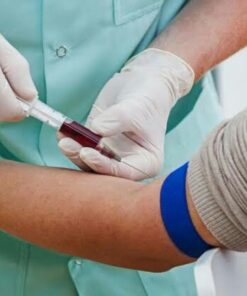
The test involves a routine blood draw, which carries minimal risks such as slight pain, bruising, or dizziness at the puncture site. No major complications are expected.


Reviews
There are no reviews yet.